



How does Paris do it? How does the French capital manage to be one of the most romanticised and most popular cities in the world, and still somehow live up to the hype?

Travel eSIMs you may like:


Nearly 50 million people visited the Paris region in 2024, making it one of the world's most visited destinations, but somehow, Paris still has that magic that's hard to define and impossible to resist.
In case you can't already tell, I'm one of those people who loves Paris. For me, no amount of days here is ever enough. But if you're taking a European holiday, there's so much to see and do across France and in other countries that you can't spend forever in the City of Light, as tempting as it might be.
Plus, Paris is expensive. If you're travelling on a budget, this isn't the place to spend a long time.
So how long should you spend in Paris? That's going to depend on you, how much time and money you have, and what you want to see. But to boil it down, 3 to 5 days is enough for most people to see the main attractions, get a sense of what makes this city so magical, and move on before having to take out a bank loan to buy another coffee.
Let's take a closer look at what it costs, how to get around, and how to best spend your time in Paris.
Paris Deserves More Than a Quick Stop
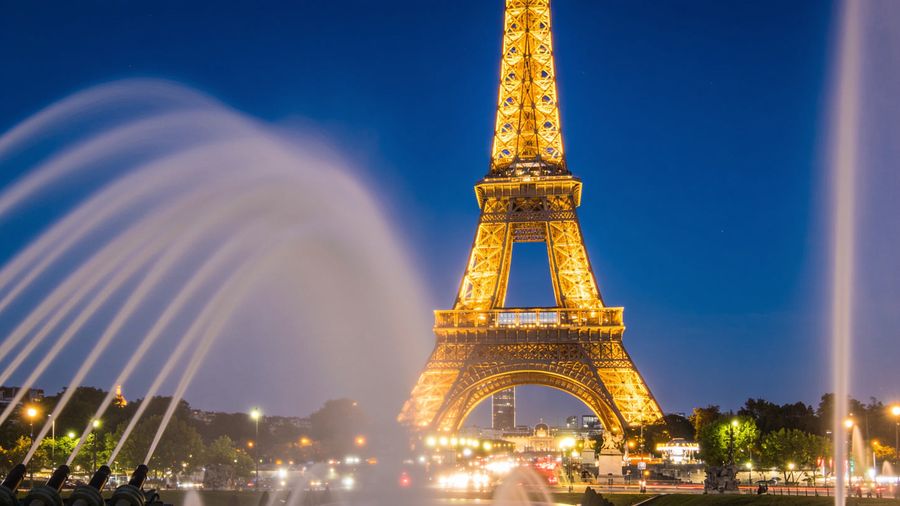
It's tempting to treat Paris as a quick city break. Two or three days is often enough for most cities. There are even people who take extreme day trips, visiting the city for a single day and leaving before spending the night.
But Paris doesn't really work that way. Two or three days will give you enough time to tick off major landmarks like Notre-Dame, the Eiffel Tower, and the Champs-Élysées, but Paris is a vibe as much as it is a city.
This is a place where wandering matters just as much as sightseeing, if not more. Paris doesn't really open up to you until you take the time to soak up the atmosphere. Plus, Paris is a big city of neighbourhoods that all feel completely different from each other. Giving yourself more time lets you see different sides of the city.
Let's break down what a backpacker budget looks like first, and then how you can spend your time here.
Paris on a Backpacker Budget
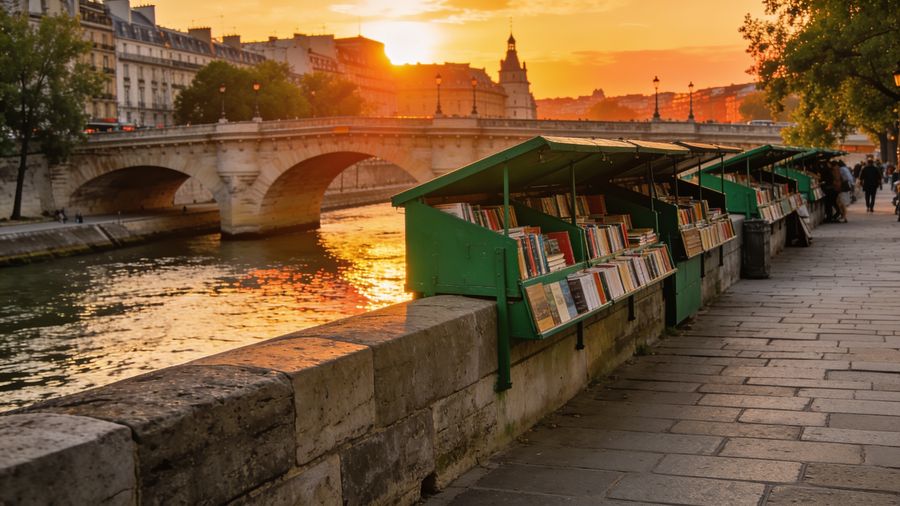
Let's talk money, because this is where Paris can sting. These are rough per-person daily figures for 2026, converted at about A$1.60 to the euro, so use them as a guide rather than a quote.
- Hostel dorm bed: €35-60 a night (about A$55-95), more in summer and on weekends
- Food: €20-35 a day (about A$30-55) if you eat from bakeries, markets and supermarkets with the odd cheap sit-down meal
- Transport: €5-12 a day (about A$8-20) depending on how much you ride the metro
- Sights: €0-30 a day (about A$0-50), depending on how many paid museums you do
All up, plan on roughly €65-110 a day (about A$105-175). You can go lower if you snag a cheap dorm and lean hard on picnics and free sights.
The good news is that some of the best things in Paris are free. Notre-Dame and Sacré-Cœur are free to enter, the permanent collections at the Petit Palais, Musée Carnavalet and Musée d'Art Moderne cost nothing, and wandering Père Lachaise Cemetery, the Jardin du Luxembourg or the banks of the Seine is free every day.
Cheap Eats
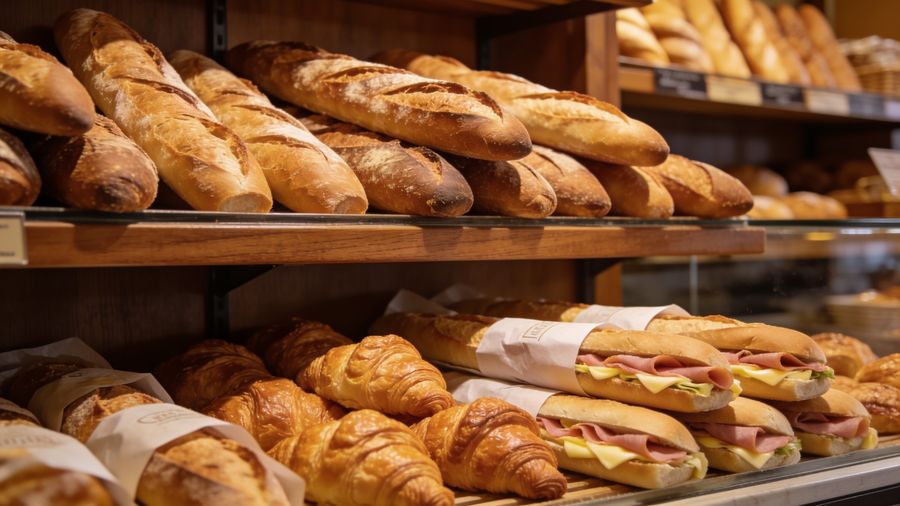
You don't need restaurant money to eat well in Paris. Breakfast is a croissant or pain au chocolat from a boulangerie for a couple of euros. For lunch, a jambon-beurre (ham and butter baguette) usually costs around €4-6, and many bakeries do a formule, a sandwich, drink and dessert deal that's great value.
Supermarkets like Monoprix, Franprix and Carrefour City are your best friends. Grab cheese, fruit, a baguette and a cheap bottle of wine, and picnic on the Champ de Mars or along the Canal Saint-Martin like the locals do. Street crêpes, falafel on Rue des Rosiers in Le Marais, and the cheap Asian restaurants of Belleville and the 13th arrondissement are all great for a filling meal.
If you do want a sit-down meal, have it at lunch. Many bistros offer a set lunch menu at a much lower price than dinner. And always ask for a carafe d'eau (tap water), which is free, rather than paying for bottled water.
Free and Cheap Museum Days
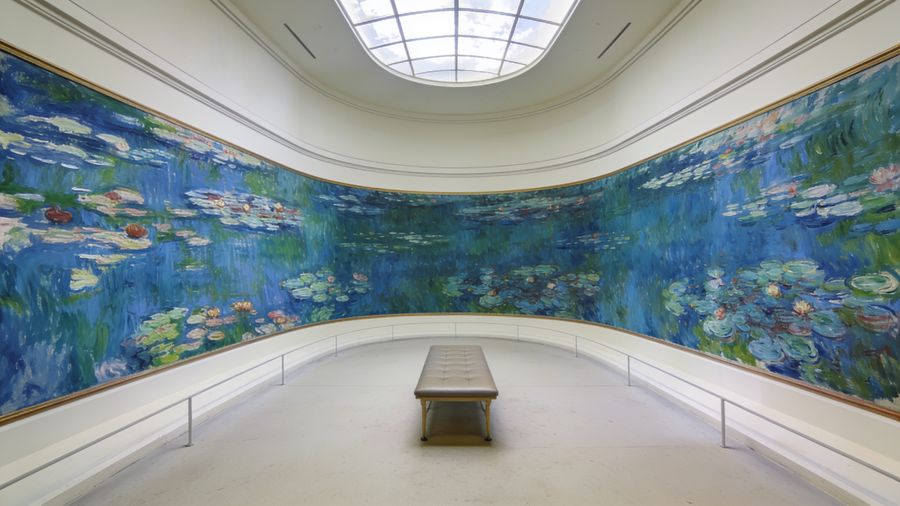
If you're planning to do the big museums, a bit of date juggling can save you a lot. Several major museums, including the Musée d'Orsay, the Orangerie and the Musée Picasso, are free on the first Sunday of every month, though you'll usually need to book a time slot online. The Musée Rodin is free on the first Sunday from October to March, and the Arc de Triomphe and Panthéon join in from November to March.
The Louvre is different. Instead of first Sundays, it's free for everyone during the evening opening on the first Friday of each month, except in July and August. Otherwise, a standard ticket for visitors from outside the European Economic Area is now €32.
One important catch for Aussies: you'll see lots of advice online about free entry for under-26s. At the Louvre and many national museums, that only applies to EU and EEA citizens or residents. Australian travellers get free entry if they're under 18, but not if they're 18 to 25. If you're planning to see four or more paid sights in a few days, compare the cost of the Paris Museum Pass against individual tickets.
Getting Around: Metro Tickets and the Navigo Pass
Paris's metro system is the key to getting around the city. It's affordable, it goes almost everywhere, and in many cases, it's faster than driving would be. But the ticket system changed in 2025, so here's what you need to know in 2026.
A single ticket for the metro, RER and suburban trains costs €2.55 and is now valid across the whole Paris region (except airport services). Bus and tram tickets cost €2.05. The old discounted carnet of ten tickets has been scrapped, so there's no longer a volume discount. Paper tickets have been largely phased out, too. Instead, you load tickets onto a Navigo Easy card (a reusable card that costs €2 from station ticket offices and machines) or onto your phone through the official Île-de-France Mobilités app.
If you're going to ride a lot, there are two passes to consider:
- Navigo Jour: unlimited travel for one calendar day across all zones for €12.30, but it doesn't cover the airport trains.
- Navigo Semaine: unlimited travel for a week across all zones, including the airport, for €32.40. It runs Monday to Sunday only, so it's best value if you arrive early in the week. You'll need a Navigo Découverte card and a passport-sized photo.
Getting to and from the airports costs €14 each way on a standard ticket, which makes the weekly pass even better value if your dates line up. And honestly? Walk as much as you can. Central Paris is surprisingly compact, and you'll see far more on foot than underground.
Two Days in Paris
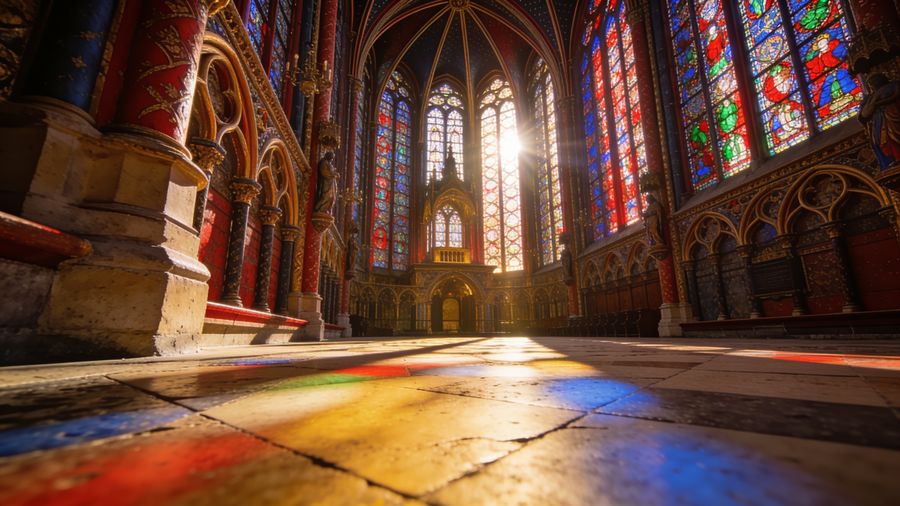
With only two days to spend, you're going to have to be selective. You'll be able to see the major sites, but you're going to miss out on a lot of that European charm.
Still, if that's all you've got, two days is enough to get some great photos, see some amazing sights, and 'do' Paris, at least on a surface level. Here's how I'd do it:
-
Day 1: Start at Notre-Dame and Sainte-Chapelle on the Île de la Cité, then cross into the Latin Quarter for a cheap lunch. In the afternoon, walk along the Seine past the Louvre's glass pyramid and through the Jardin des Tuileries. Finish with a picnic dinner on the Champ de Mars and watch the Eiffel Tower sparkle on the hour after dark.
-
Day 2: Get to the Louvre right at opening time (book your tickets in advance to skip the long queue) and focus on a few highlights rather than trying to see it all. Head to Le Marais for falafel on Rue des Rosiers, then catch the metro up to Montmartre to explore its winding streets and watch the sunset from the steps of Sacré-Cœur.
If you're pressed for time, this can give you a quick introduction to the city. But you'll have to move fairly fast, so wear comfortable shoes and travel light.
Three Days in Paris
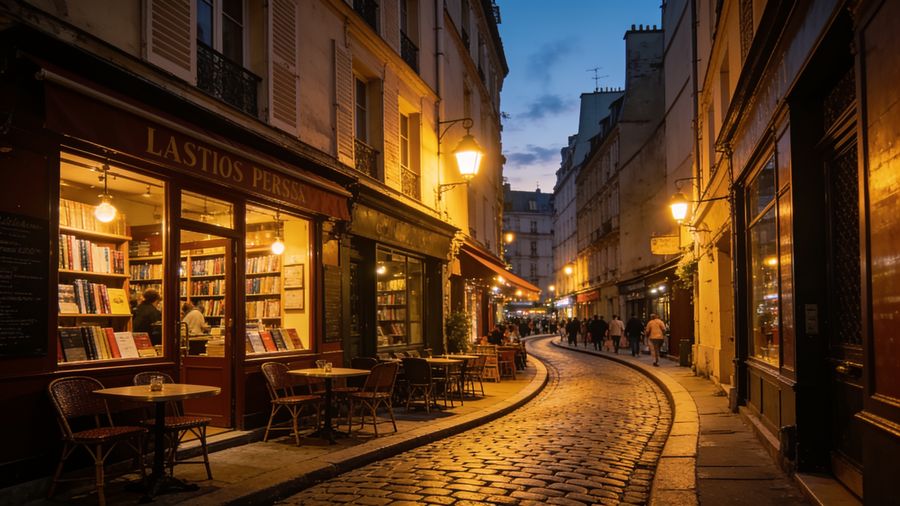
Adding just one more day lets you experience the city in a lot more depth and gives you a little breathing room between the big sights.
-
Day 1, classic landmarks: Notre-Dame and Sainte-Chapelle in the morning, then the Latin Quarter and the Jardin du Luxembourg. In the late afternoon, walk along the Seine to the Eiffel Tower and Trocadéro for sunset.
-
Day 2, museums and culture: the Louvre in the morning, a picnic in the Tuileries, then the Musée d'Orsay in the afternoon for the Impressionists. On Thursdays, the Orsay stays open late, which is great for beating crowds.
-
Day 3, neighbourhoods: Montmartre in the morning before the crowds arrive, then the Canal Saint-Martin for lunch by the water, and an evening in Le Marais, one of the best areas for cheap eats and bars.
Sitting in a pavement café and watching the world go by may well end up being the highlight of your Paris trip. Having three days to spend means you can carve out at least a few hours for some relaxation.
Four Days in Paris
If your schedule and your budget allow you to spend four days in Paris, lucky you. Having more time means you can slow your pace and get more out of the places you visit. For example, if you're a big fan of art or history, you could easily spend an entire day in the Louvre. Or, if you travel more for the food, more time means more meals to enjoy.
Follow the three-day plan above, then add a fourth day like this:
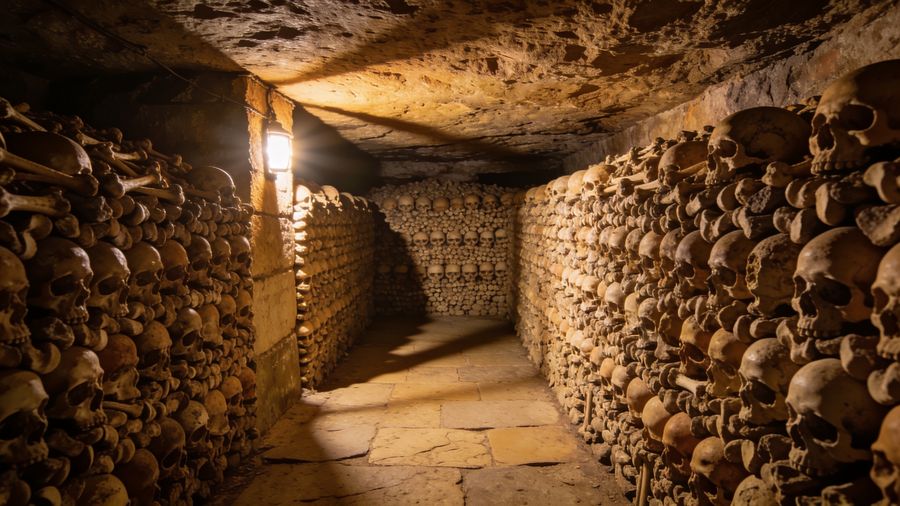
- Day 4, off the beaten path: start with the delightfully spooky Paris Catacombs (book well ahead, as tickets sell out and aren't cheap). Then head east to Père Lachaise Cemetery to find the graves of Jim Morrison, Oscar Wilde and Édith Piaf. Spend the afternoon in Belleville, with its street art and views from the top of Parc de Belleville, and the hilly Parc des Buttes-Chaumont. In the evening, enjoy a proper night out in the bars around Oberkampf or Bastille, where drinks are cheaper than in the centre.
The truth is, you're never going to run out of things to do in Paris, but having four days here means you can sample both the tourist highlights and a bit more of the authentic local life of the city.
Five Days in Paris
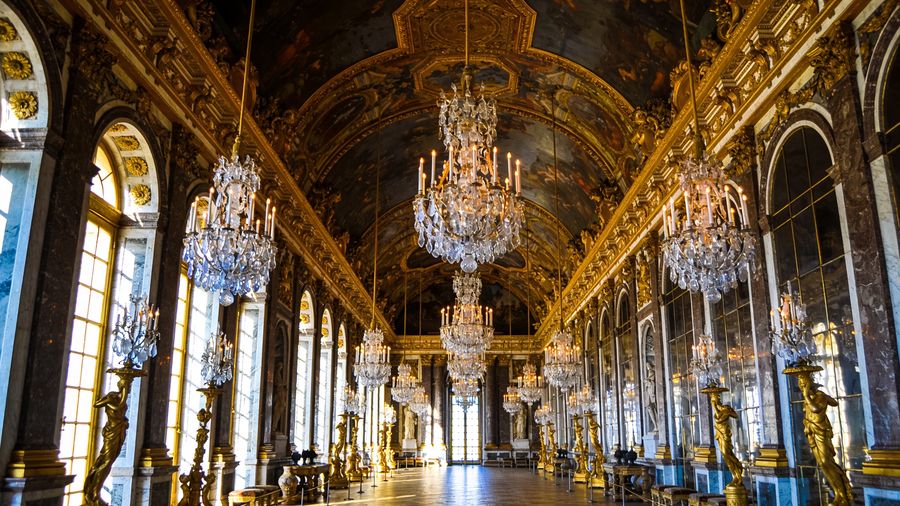
Five days in Paris will give you time to visit the big attractions mentioned above without rushing. It also means you can explore multiple neighbourhoods in depth, spending a whole afternoon in the artistic enclave of Montmartre, for example, and then a full day around the student district of the Latin Quarter.
With five days, follow the four-day plan and add a day trip:
-
Day 5, Versailles: take the RER C to Versailles Château Rive Gauche. The palace is a paid ticket (it's free on the first Sunday from November to March), but the vast gardens are free on most days, except for musical fountain show days. Pack a picnic and hire a bike or rowboat if your budget allows.
-
Alternative day 5, Giverny: Monet's house and gardens are open from spring to autumn. Catch a train from Gare Saint-Lazare to Vernon, then a shuttle bus or a short bike ride to the gardens.
Disneyland Paris is also easy to reach on the RER A if that's more your thing, though it'll blow your daily budget. Most of all, though, with this much time to spend, you can sit in a café without watching the clock, or take time over a leisurely lunch the way French people do. You can experience the rhythm and charm of the city which are, ultimately, what Paris is all about.
What About Longer?
Of course, you can spend as much time in Paris as you want. You could spend a lifetime here; plenty of people have.
But how long works for you depends on your travel style. Some people love slow travel, and want to explore every neighbourhood. Some people love art and museums, and if you're one of them, a week may still not feel like enough in this capital of culture. If that's you, a week in Paris might be the perfect amount of time, and a Navigo weekly pass will make it easier on your wallet.
But if you're trying to see more of France or other European countries, you may not have a week to spare. Plus, money is always a factor, and Paris will burn through your budget alarmingly quickly. Every extra night in Paris is a night you could spend somewhere cheaper, like Lyon, Bordeaux or the rest of Europe.
A week might not be feasible. For many backpackers, five days is the upper limit before you start to hit diminishing returns.
How to Make the Most of Your Time in Paris
Ultimately, what you do with your time may matter more than how much time you have to spend. And the shorter your trip, the more deliberate you'll need to be in how you plan to get the most out of the city.
A few minutes of planning goes a long way here. Book timed tickets for the Louvre, the Eiffel Tower summit and the Catacombs before you arrive, because the best slots sell out days or even weeks ahead in summer. Check which days museums are closed, as many close on Mondays or Tuesdays. And group your sightseeing by area so you're not zigzagging across the city on the metro. Paris is divided into 20 arrondissements that spiral out from the centre, and once you've got a feel for them, it's much easier to plan your days. Here are a few more things to consider.
Where to Stay
Location always matters. While staying in central areas costs more, it also saves you time. The Latin Quarter, for example, is central to attractions like Notre-Dame, and extremely walkable, although accommodation there isn't cheap. Le Marais, covering the third and fourth arrondissements, is a similarly charming area that's close to many of the top attractions and is full of cute cafés and Parisian charm, without the very high prices of the first arrondissement.
On a true backpacker budget, though, most of the city's hostels are a little further out, in areas like the 10th, 11th, 18th and 19th arrondissements around the Canal Saint-Martin, Belleville, Pigalle and Montmartre. These neighbourhoods have great nightlife, cheap food and good metro links, so you're never more than 20 minutes or so from the centre. Book early, especially for summer weekends, and check the reviews for location and noise.
Don't Try to Do Too Much
Because Paris is so legendary, people want to see all the famous locations in a single trip. But seeing everything too quickly often feels like seeing nothing.
Prioritise where you want to spend your time. Major fans of art and history may want to spend all day in the Louvre or the Musée d'Orsay, but if that's not your thing, your time might be better spent at a great restaurant or a cute pavement café. Remember, this is your trip, and nobody else's. Do what appeals to you and don't fall into the trap of thinking you have to see what everyone else does.
It also helps to leave some gaps in your schedule. Some of my best moments in Paris have been completely unplanned, like stumbling onto a street market, a free concert in a church or a bar where the locals were watching football. You can't plan for those, but you can give yourself time to say yes to them.
Stay Connected Without Roaming Fees
Having a phone makes travel easier. It helps you navigate a foreign city, find metro routes, book tickets and attractions, find restaurants, and keep in touch with folks back home. In Paris, you'll also want your phone for loading metro tickets and showing timed museum entries. You'll find public Wi-Fi in plenty of places, from cafés to hostels to train stations, but it's not always reliable. Plus, public Wi-Fi comes with security risks, as anyone can access the network and potentially see what you are doing.
A travel eSIM from ZenSim lets you connect to local networks as soon as you land, so you skip expensive roaming charges. If Paris is one stop on a bigger trip, our Europe plan covers 40 countries and starts from A$9 ($6 USD), so you won't need to change plans every time you cross a border. It's one of the simplest and most affordable ways to stay online while travelling.
How Long to Spend in Paris
Hopefully, this article has given you some idea of how much time you should spend in Paris. For most people, somewhere between three and five days is the ideal range, but that's going to depend on what brings you to Paris in the first place.
If you're on a tight budget, three days lets you see the highlights without your bank balance taking too big a hit. If you can stretch to four or five, you'll get the neighbourhoods, the long lunches and a day trip, which is when the city really starts to feel like yours. Either way, plan your museum days around the free and cheap options, get your metro tickets sorted early, and eat like a local.
The most important thing to remember is to stay flexible and give yourself enough time to let the city work its famous charm on you. With a reliable connection through a travel eSIM, you can explore the city at your own pace and have a deeper experience of Paris.
FAQs
For most travellers, three to five days is the sweet spot. Two days covers the headline sights at a fast pace, three or four lets you add museums and neighbourhoods, and five gives you time for a day trip to Versailles or Giverny.
Plan on roughly 65 to 110 euros (about A$105-175) a day for a hostel dorm, cheap meals, public transport and a paid sight or two. Accommodation is the biggest cost, so booking a dorm early makes the biggest difference.
Single metro, RER and train tickets cost 2.55 euros in 2026, loaded onto a Navigo Easy card or the official transport app. If you are arriving early in the week and travelling a lot, the Navigo weekly pass (32.40 euros, Monday to Sunday, including airport trains) is usually the best value.
Some are. The Musée d'Orsay, Orangerie and Musée Picasso are free on the first Sunday of every month (booking required), while the Arc de Triomphe and Panthéon are free on first Sundays in the cooler months. The Louvre is instead free on the evening of the first Friday of the month, except July and August.
Travel eSIMs you may like:
Written by
Ryan Frawley
Travel writer and serial border crosser.
I've visited more than 30 countries so far, which sounds impressive until you see how long my travel wish list still is. When I'm not chasing cheap flights, figuring out eSIMs, or getting lost in places I can't properly pronounce, I'm usually writing about travel, remote work, and how to make both a little easier.
If you've ever searched "Can I work remotely from there?" at 2 a.m., we're probably on the same wavelength.


Get amongst it
Join the community
We will reach out when we launch new products, about our sustainability projects, specials, new innovations or maybe even cool sh*t we think is inbox worthy.


