



Think you know China? Think again. Beyond the iconic landmarks, like the buzzing skyline of Shanghai or the Summer Palace in Beijing, lies a version of China that most visitors never get to see.

Travel eSIMs you may like:

It’s a China of desert oases, Hakka roundhouses, misty sacred mountains and tea villages where life still moves at the pace of the harvest.
Yes, China is massive, so you’ll have to carefully plan out your route if you want to hit as many stops on your bucket list as possible. But between the incredible views, the food and the local charm, taking the path less travelled is absolutely worth the extra hassle!
Read on to discover some of the most underrated places to visit in China, plus a few tips for adding the famous classics in a quieter way and the practical bits (visas, payments and staying online) you’ll want sorted before you land.
The Rolling Hills of Wuyuan, Jiangxi Province
Tucked away in northeastern Jiangxi lies Wuyuan County, home to some of China’s prettiest farmland and best-preserved ancient villages. If you’re a photographer or a tea lover, this is without a doubt the region for you.
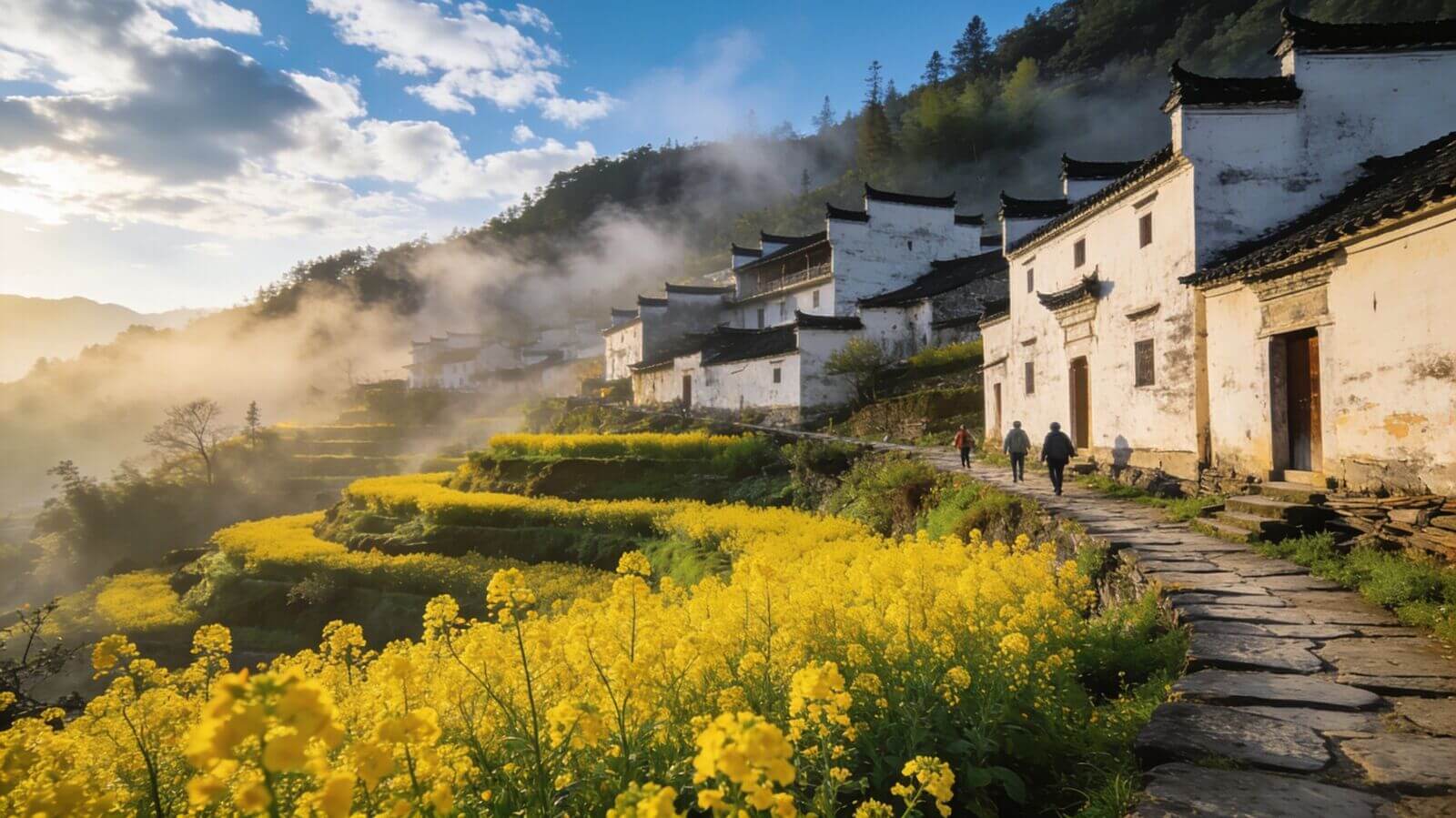
Wuyuan was historically part of Huizhou, so its villages are packed with whitewashed Huizhou-style houses, horse-head gables and courtyards decorated with intricate wood carvings. Start with Huangling, a hillside village famous for its terraced fields, then wander Likeng and Xiaoqi for stone bridges, narrow lanes and family-run teahouses. In Qinghua, you can cross the Rainbow Bridge, a covered wooden bridge that dates back to the Song dynasty.
Wuyuan is also known for its green tea, so look for a local tea workshop where you can learn how the leaves are picked, fired and rolled. For the classic photos, visit from mid-March to early April when yellow rapeseed flowers carpet the valleys, or in autumn when Huangling’s villagers lay out chillies and crops to dry on their rooftops. Wuyuan has its own high-speed rail station, roughly four hours from Shanghai and just a short hop from Huangshan, so it’s easy to pair the two.
Mingsha Shan and Crescent Moon Spring, Dunhuang (Gansu)
Where else on the planet can you take a sledge down a sand dune and then sip tea beside an ancient oasis? This remote corner of Gansu offers adventure, serenity and a timeless connection to the old Silk Road.
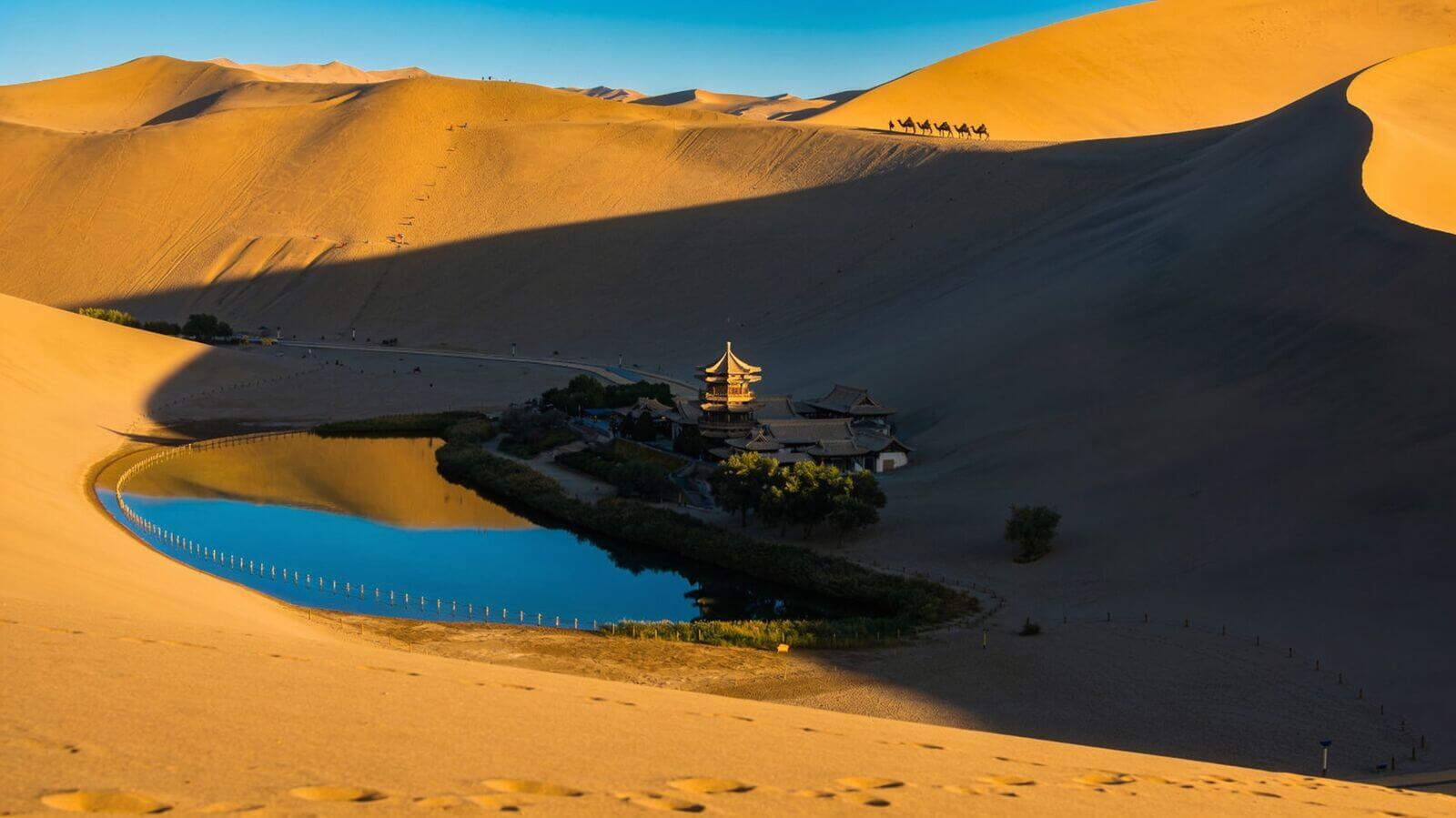
Just a few kilometres south of Dunhuang city, the towering Mingsha Shan, or “Singing Sand Dunes”, earn their name from the low hum the sand makes when the wind (or a crowd of sliding tourists) gets it moving. Right in the middle of the dunes sits the Crescent Moon Spring, a curved freshwater pool that has survived among the sand for well over a thousand years, with a traditional pavilion on its banks.
You can ride camels, climb to the top of the dunes, try sandboarding or simply sit by the pavilion and take it all in. Go late in the afternoon for softer light and a desert sunset. While you’re in town, don’t miss the Mogao Caves, a UNESCO World Heritage Site with hundreds of Buddhist cave temples full of murals and statues. Tickets are capped daily, so book ahead. Dunhuang has an airport with flights from major cities, plus overnight trains from Lanzhou. May to June and September to October are the most comfortable months to visit, as summer is scorching and winter is bitterly cold.
The Central Asian Cultural Hub at Kashgar, Xinjiang
Kashgar feels like it’s worlds away from Beijing and the big cities of the east. Instead of glass towers and gleaming business districts, you’ll find bustling bazaars, mosques, mud-brick lanes and markets that feel closer to Central Asia than to Shanghai.
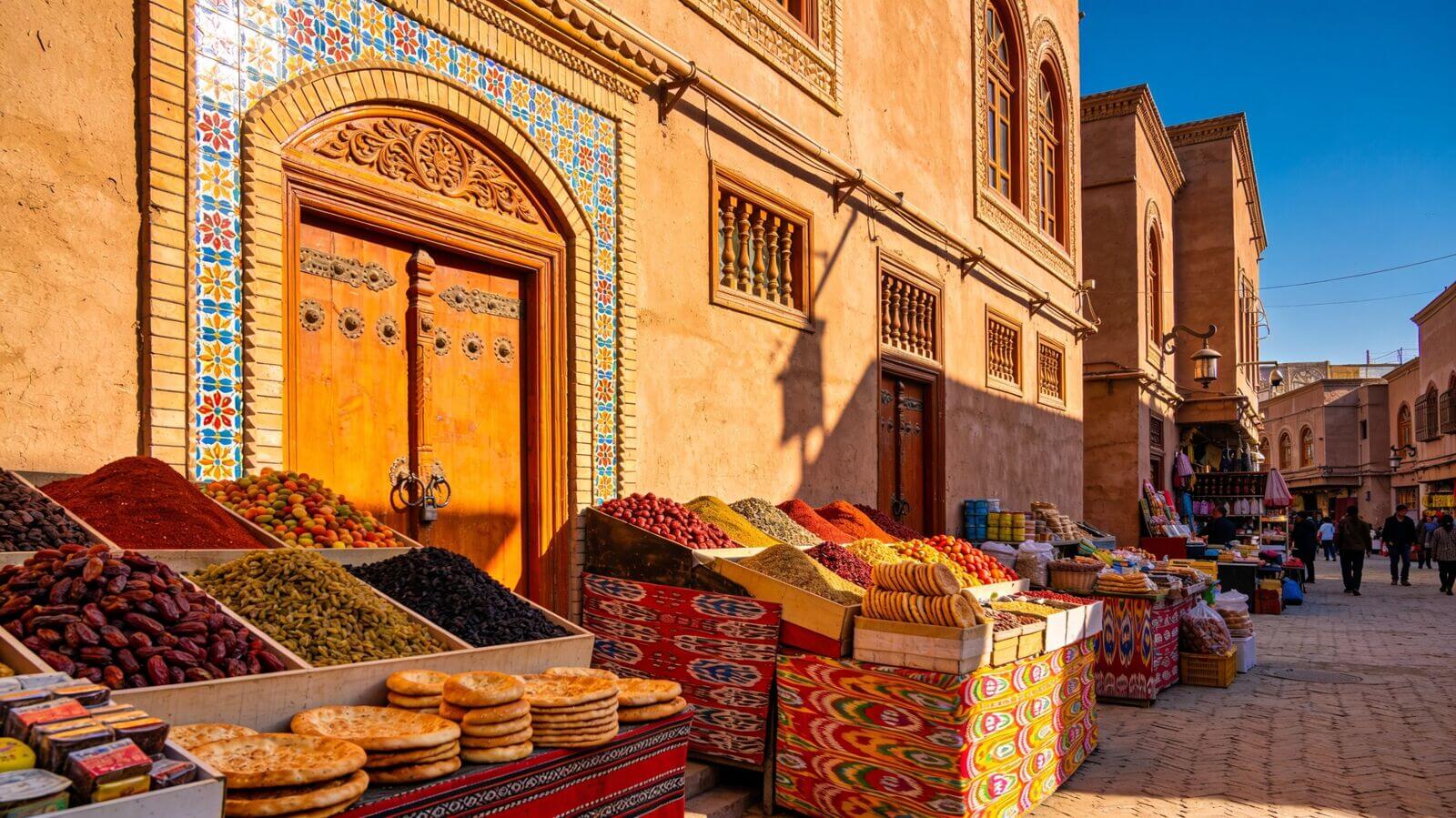
Kashgar was once a major stop on the ancient Silk Road, and it’s still a meeting point of Uyghur traditions, Islamic architecture and Central Asian trade. Start at the sprawling bazaar for spices, dried fruit, carpets and textiles, and if you’re in town on a Sunday, head to the livestock market on the outskirts of the city to watch traders haggle over sheep, cattle and donkeys. The Id Kah Mosque, first built in the 15th century, is one of the largest mosques in China. Much of the old town has been rebuilt in recent years, but it’s still a great place to wander, snack on hand-pulled noodles, kebabs and naan, and drink tea.
Most visitors fly in from Urumqi or other major cities. Be prepared for frequent ID and security checks across Xinjiang, carry your passport at all times, and note that some border areas, such as Tashkurgan along the Karakoram Highway, require an extra border permit. Conditions can change, so check Smartraveller’s latest advice before you go.
Ciqikou Ancient Town on the Jialing River, Chongqing
Chongqing is a sprawling, hilly megacity where the Jialing River meets the mighty Yangtze. On the Jialing’s western bank lies Ciqikou, a living snapshot of old Chongqing life and a refreshingly slow-paced escape from the city’s skyscrapers and monorails.
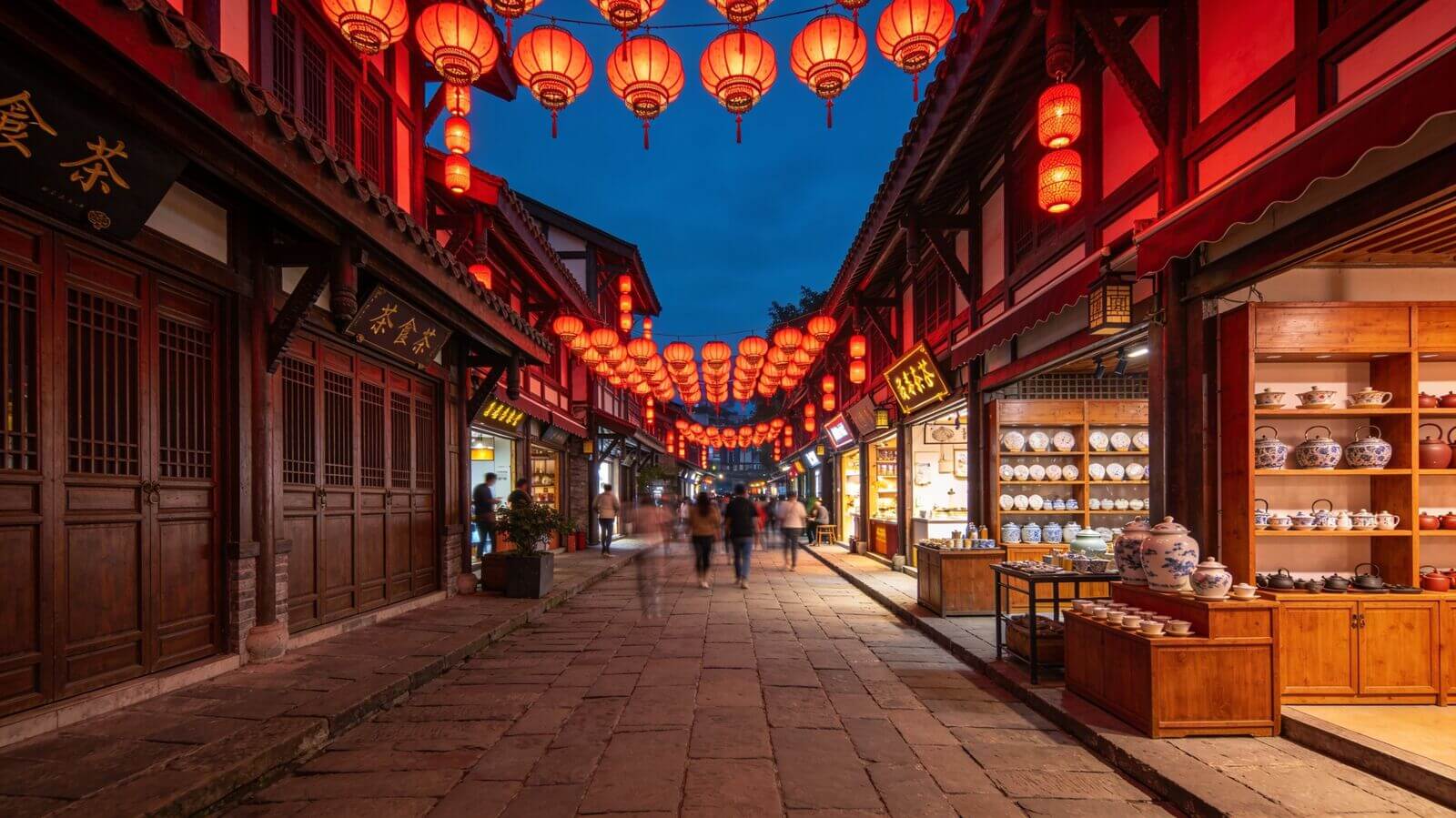
The name Ciqikou roughly translates to “porcelain port”, a nod to its days as a busy river port for the porcelain trade during the Ming and Qing dynasties. Today it’s a maze of stone-paved streets, red lanterns, wooden shopfronts and old teahouses. The main drag gets busy on weekends, so slip into the side lanes and climb the steps up the hill for quieter corners and views over the river.
Snack your way through town with chen mahua (crunchy fried dough twists), spicy Chongqing noodles and, of course, a bubbling hotpot if you can handle the heat. Keep an eye out for a teahouse hosting Sichuan opera, famous for its bold costumes and lightning-fast face-changing performances. Ciqikou is easy to reach on Chongqing Metro Line 1, so it makes a perfect half-day trip. Spring and autumn are the most comfortable seasons, as Chongqing summers are notoriously hot and humid.
Wandering Between the Clouds on Mount Fanjing, Guizhou
Mount Fanjing in northeastern Guizhou is utterly breathtaking. This UNESCO World Heritage Site is both a sacred Buddhist mountain and a haven for hikers and nature lovers.
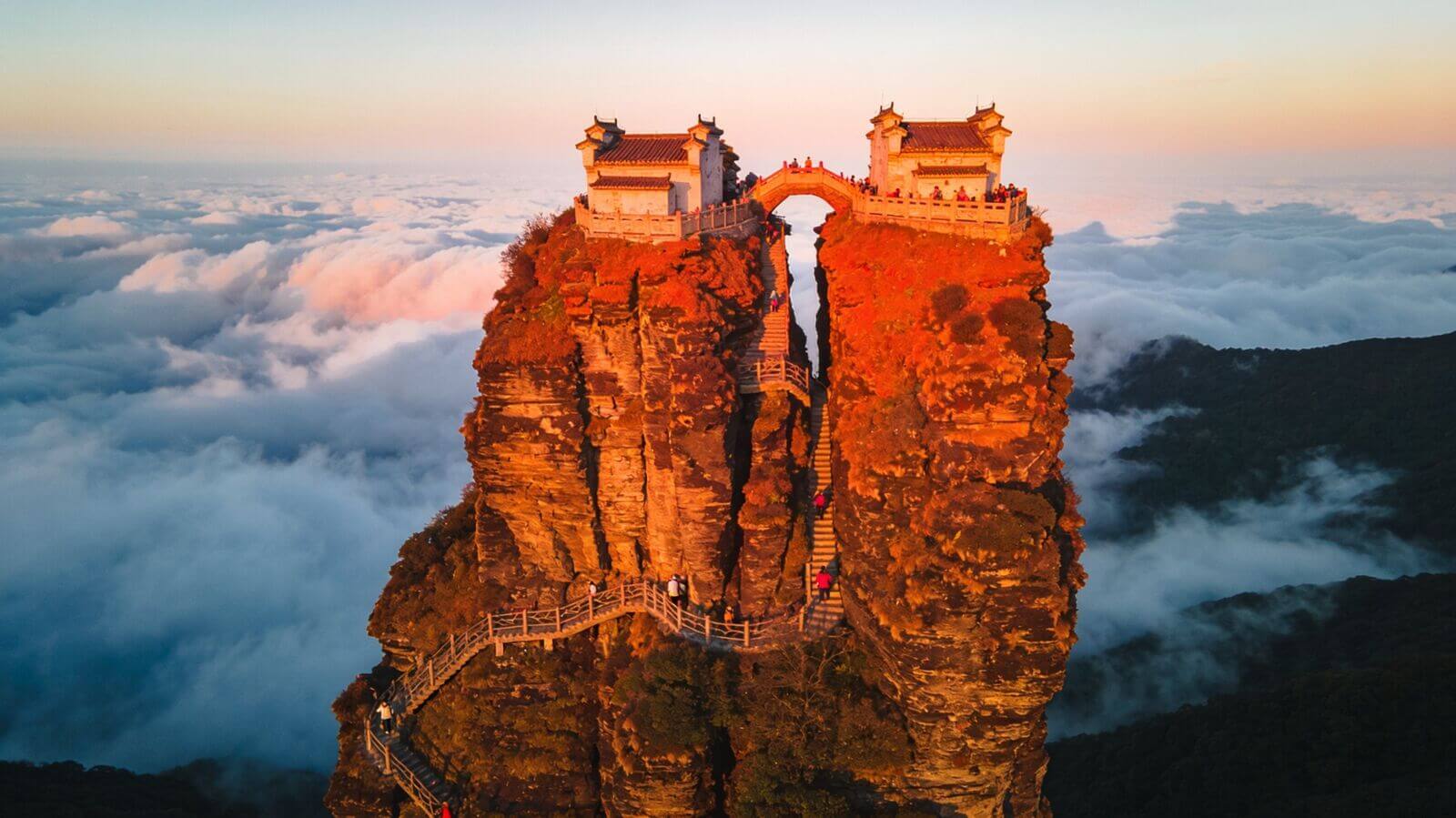
The star of the show is the Red Clouds Golden Summit, a sheer rock pinnacle with two small temples perched on top, joined by a narrow bridge. Most visitors take the cable car up the mountain, then climb a steep staircase of steps and ladders that spirals through cliffs and clouds to the top. Nearby you’ll spot Mushroom Rock, a precariously balanced stack of stone that has become the mountain’s unofficial mascot. Keep your eyes peeled for the Guizhou snub-nosed monkey, a rare species found only in this area.
There’s a daily visitor limit and real-name ticketing with your passport, so book in advance. Booking on the go is far easier with a China travel eSIM, so you don’t have to rely on patchy hostel Wi-Fi. The nearest city is Tongren, with buses to the scenic area’s main gate. Aim for April to May or September to November, and keep your plans flexible, as fog and storms can close the summit at short notice.
Gannan Tibetan Autonomous Prefecture, Gansu
If you’re dreaming of experiencing Tibetan culture but want a more accessible route, Gannan is your answer. This high grassland region in southern Gansu is deeply rooted in Tibetan tradition, but sits outside the Tibet Autonomous Region, so you don’t need the special Tibet Travel Permit or a mandatory guided tour.

The town of Xiahe is home to Labrang Monastery, one of the six great monasteries of the Gelug school of Tibetan Buddhism. Walk the kora (the pilgrim path) that circles the monastery and you’ll find yourself spinning more than a thousand prayer wheels alongside monks, pilgrims and local families. Further south, the village of Langmusi straddles the Gansu and Sichuan border and offers more monasteries, grasslands and easy day hikes.
Buses run from Lanzhou to Xiahe in roughly three to four hours, and there’s also a small regional airport. June to September is the best time to visit, when the grasslands are green and festivals are in full swing. Xiahe sits at close to 3,000 m, so take it easy on your first day. Access to Tibetan areas can occasionally be restricted for foreigners around sensitive dates, so check the latest rules before you lock in your plans.
Climb Jianglang Mountain in Zhejiang
The three giant rock peaks of Jianglang Mountain look like a scene from a Chinese storybook. This is definitely a spot to add to your itinerary if you love to hike (and hate crowds).
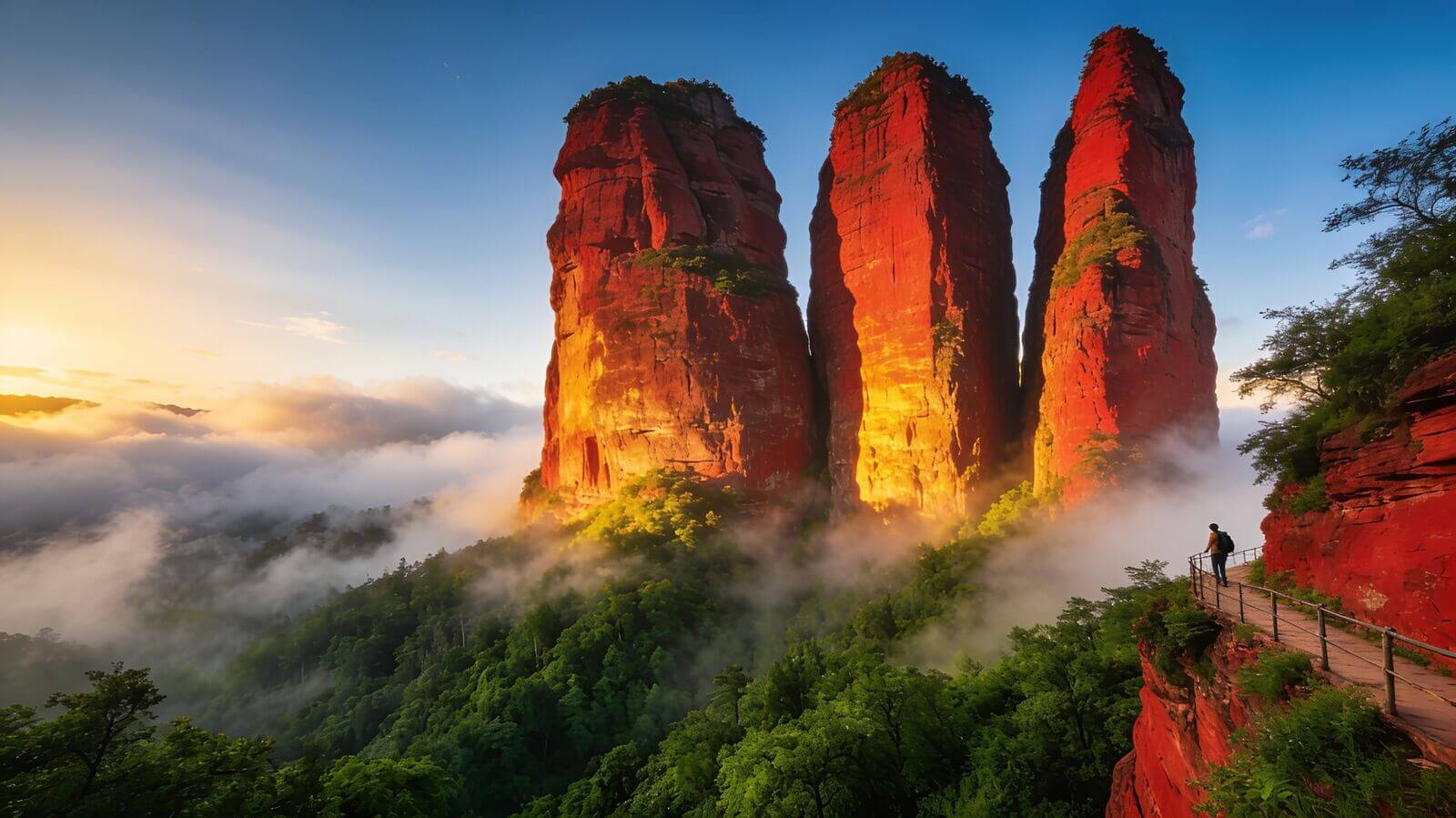
Jianglang Mountain, near the city of Jiangshan in western Zhejiang, is part of the China Danxia UNESCO World Heritage Site, which protects some of the country’s most striking red sandstone landscapes. The three peaks rise side by side out of the forest, and between two of them runs a narrow slot of sky that feels like walking through a crack in the earth. Steep stone staircases lead up to viewpoints with sweeping views over the surrounding hills.
Most international visitors head to Huangshan (Yellow Mountain) for this kind of scenery, and it is spectacular. But Huangshan is also one of China’s busiest mountains, with queues to match. Jianglang delivers the same sense of drama at a fraction of the crowds. Jiangshan is on the high-speed rail line, around one and a half to two hours from Hangzhou, then it’s a short taxi or bus ride to the mountain. Pair it with the nearby Nianbadu ancient town, and visit in spring or autumn for the best hiking weather.
The Guardian Towers (Kaiping Diaolou), Guangdong Province
The fortified watchtowers known as the Kaiping Diaolou are unlike anything else in China. Many were built in the early 20th century with money sent home by Chinese emigrants who had worked overseas, so they blend southern Chinese village design with European and North American flourishes.
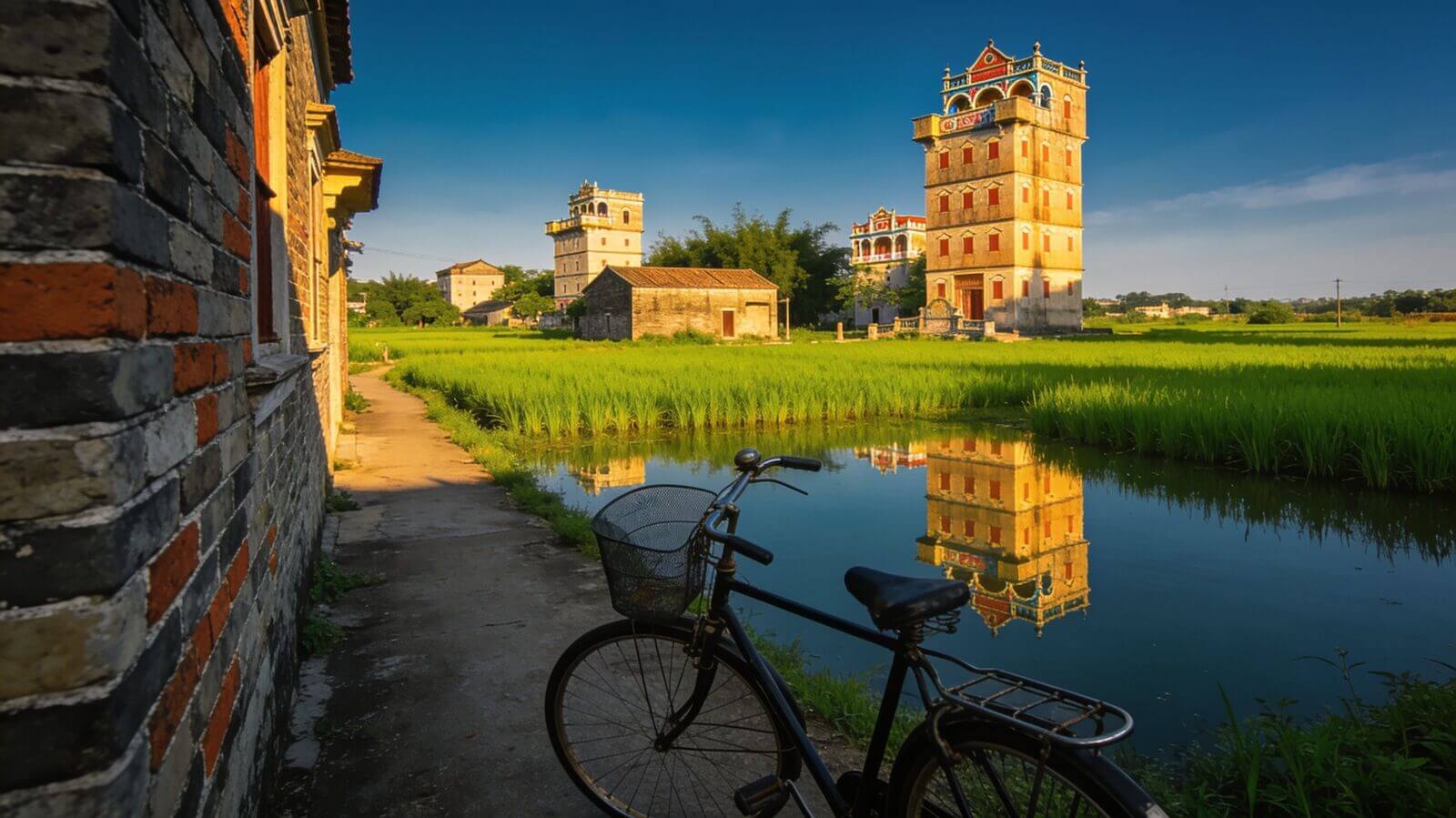
The towers were built as protection against bandits and floods, and around 1,800 of them still stand among the rice paddies. The Kaiping Diaolou and Villages are a UNESCO World Heritage Site, and the best way to explore is at your own pace. Rent a bike and pedal the country lanes between Zili Village (where the film Let the Bullets Fly was shot), Majianglong and Jinjiangli, then stop at Li Garden, a grand family estate with ornate halls and gardens.
Kaiping is roughly two hours from Guangzhou by bus or car. Once you’re back in the city, eat as much Cantonese food as humanly possible. Think dim sum, char siu pork and wonton noodles. Guangzhou’s Shamian Island is worth a stroll, too, as its leafy streets are lined with grand colonial-era buildings from the days when it was a British and French concession. If you need help translating menus on the fly, make sure your travel eSIM is installed before you land.
The Ancient Walled Town of Pingyao, Shanxi
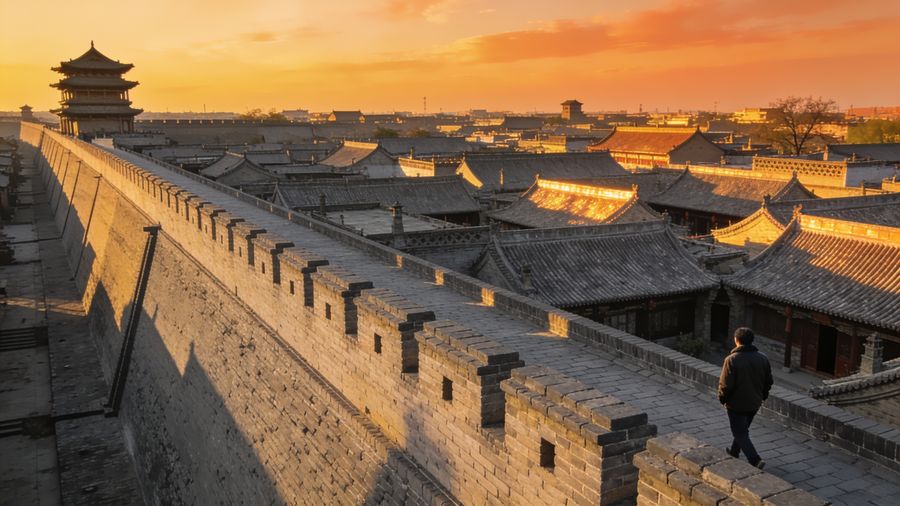
If you want to see what a Chinese town looked like a few hundred years ago, Pingyao is the place. It’s one of the best-preserved walled towns in China, and a UNESCO World Heritage Site, with its Ming dynasty walls still running right around the old town.
Inside, you’ll find courtyard houses, temples, old shopfronts and the Rishengchang Exchange House, widely considered to be the birthplace of Chinese banking. A combined ticket covers most of the sights, including a walk along the top of the walls, which is best at sunset. Stay a night or two in a converted courtyard hotel, then explore early in the morning before the day-trippers arrive.
Food-wise, try Pingyao beef and Shanxi’s famous oat noodles, which are rolled into little tubes and steamed in a honeycomb pattern. Pingyao Gucheng station is on the high-speed line, about an hour from Taiyuan and roughly four hours from Beijing, so it fits neatly between Beijing and Xi’an. Spring and autumn bring the most pleasant weather.
Fujian Tulou: The Hakka Roundhouses
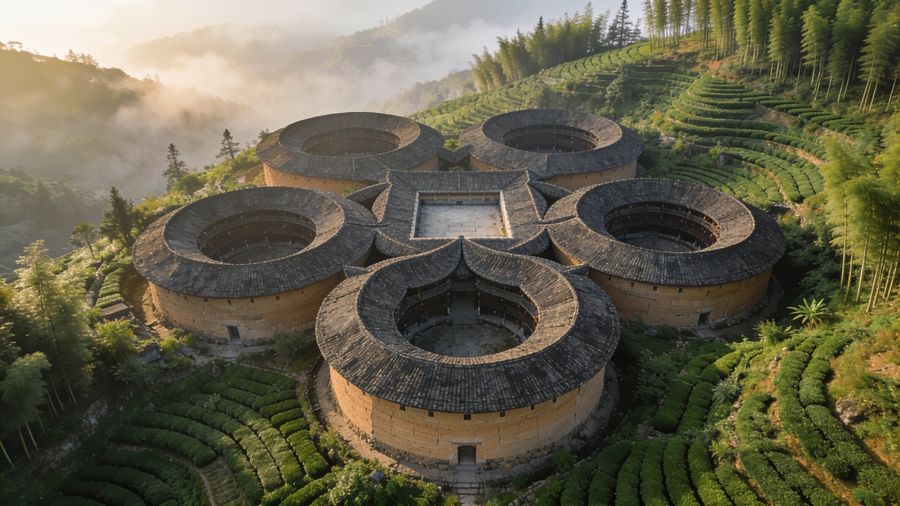
Picture a giant earthen doughnut, several storeys tall, with a whole village living inside. That’s a Fujian tulou. These fortified homes were built by Hakka and other communities in the mountains of southwestern Fujian, and 46 of them are protected as a UNESCO World Heritage Site.
The most photographed cluster is Tianluokeng, nicknamed “four dishes and a soup” for the way its round and square buildings look from above. Chengqi Lou, often called the king of tulou, has four concentric rings and hundreds of rooms. Some families still live in the buildings, so be respectful when wandering through, and consider staying overnight in a tulou guesthouse for the full experience once the tour buses leave.
The tulou are around three hours by road from Xiamen, and many travellers visit on a day tour or with a hired driver. Back in Xiamen, catch the ferry to Gulangyu Island and climb to Sunlight Rock, the island’s highest point, for views over its car-free streets. Spring and autumn are ideal.
The Yuanyang Rice Terraces, Yunnan
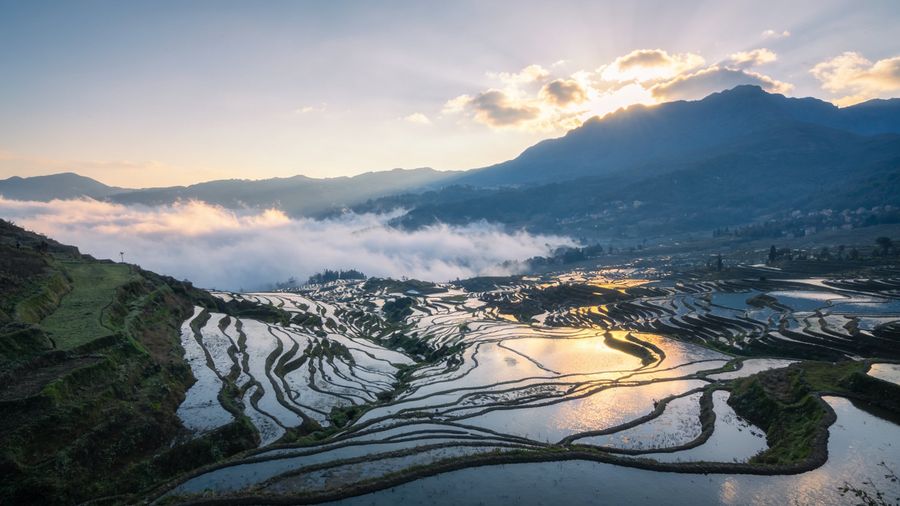
The Hani people have been carving rice terraces into the mountains of southern Yunnan for well over a thousand years, and the result is one of the most jaw-dropping landscapes in China. The Cultural Landscape of Honghe Hani Rice Terraces is a UNESCO World Heritage Site, and Yuanyang is the best base for exploring it.
The terraces are at their most magical from around December to March, when they’re flooded with water and reflect the sky like thousands of mirrors. Get up early for sunrise at Duoyishu, then head to Bada or Laohuzui for sunset. In between, explore the small Hani villages and local markets, where you’ll see people in traditional dress buying and selling everything from vegetables to livestock.
Getting there takes effort. It’s a long day on the road from Kunming, so many travellers break the trip with a night in Jianshui, a lovely ancient town with its own historic architecture and famous tofu. Stay in Xinjie or one of the guesthouses perched above the terraces so you can catch first light without a long drive.
Tiger Leaping Gorge, Yunnan
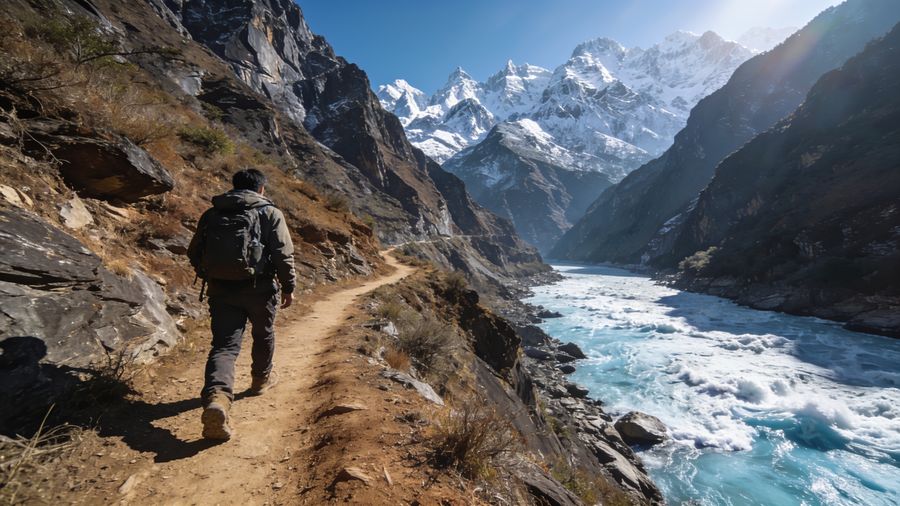
Tiger Leaping Gorge is one of the deepest river gorges in the world, with the Jinsha River (the upper Yangtze) roaring between Jade Dragon Snow Mountain and Haba Snow Mountain. Legend says a tiger escaped a hunter by leaping across the river at its narrowest point, hence the name.
The classic way to experience it is the High Trail, a two-day hike with jaw-dropping views, steep switchbacks (including the infamous 28 Bends) and friendly family-run guesthouses where you can refuel on noodles and banana pancakes. You don’t need to be a mountain goat, but decent shoes and a reasonable level of fitness help.
The trailhead at Qiaotou is around two hours by bus from Lijiang, and it pairs beautifully with a few slow days in the old town of Shaxi. Aim for April to June or September to November, and avoid the peak of the rainy season in July and August when landslides can close the trail. If you have extra time near Kunming, the limestone pinnacles of the Shilin Stone Forest make a great day trip.
The Li River Between Yangshuo and Xingping, Guangxi
The Li River near Guilin, in northeastern Guangxi, isn’t exactly a secret, but most visitors only see it from a crowded cruise boat. Base yourself in the countryside around Yangshuo or the riverside village of Xingping instead and you’ll see a much quieter side of the region.
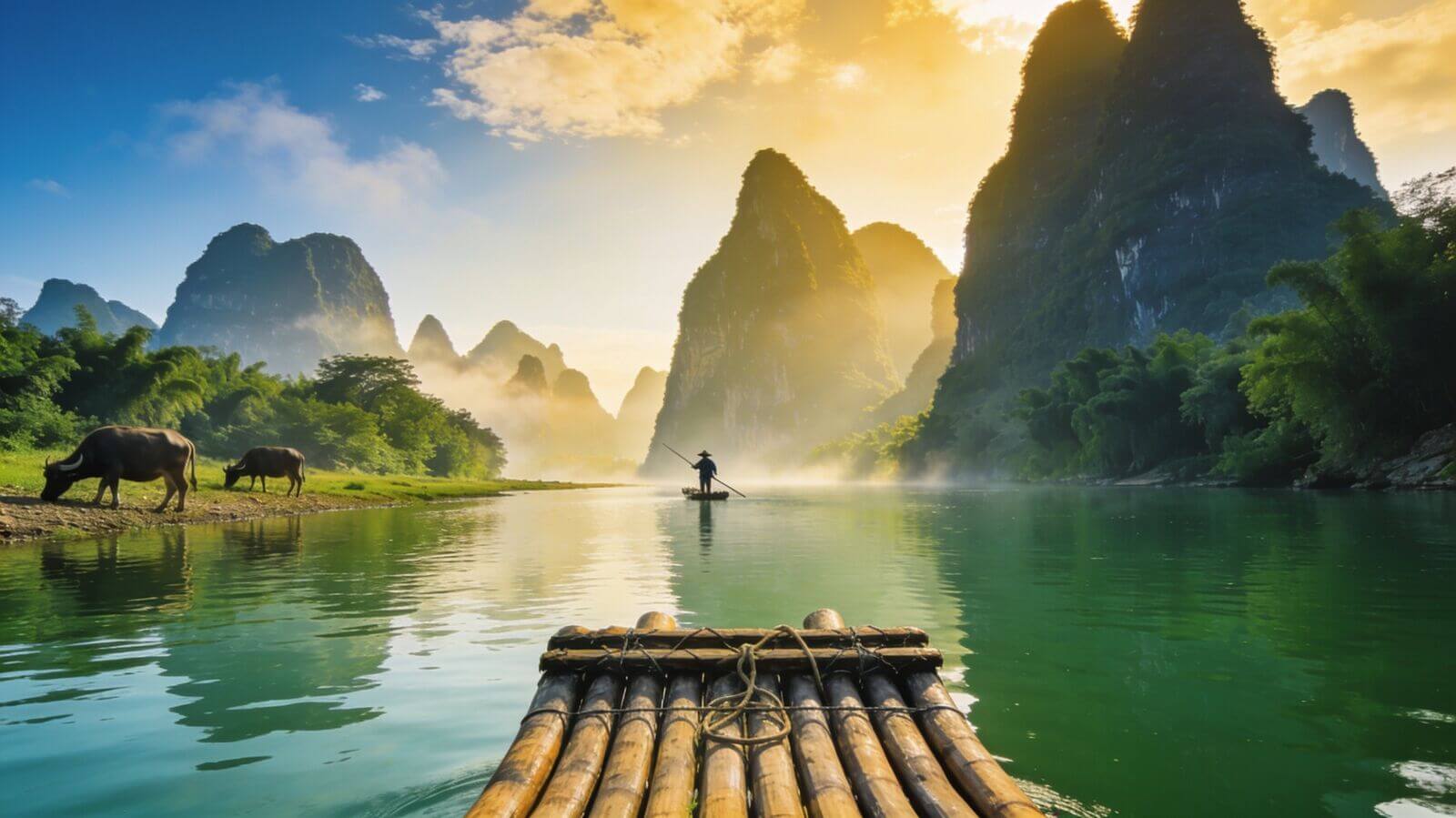
The stretch between Yangdi and Xingping is the most scenic, with jagged limestone karst peaks rising straight out of the water. Near Xingping, you can find the exact view printed on the back of the 20 yuan note, so bring one along for a photo. Rent a bike and follow the Yulong River through rice paddies and tiny villages, take a slow bamboo-style raft ride, or climb Xianggong Hill for sunrise over the mist.
Yangshuo has its own high-speed rail station, and buses connect it with Guilin in around an hour and a half. April to October is the best time to visit, though heavy summer rain can occasionally suspend river trips. Try beer fish, Yangshuo’s signature dish, while you’re there.
First Trip to China? Pair These With the Classics
Let’s be honest. If it’s your first trip to China, you’re probably going to want to see the Great Wall, the Terracotta Warriors and those floating sandstone pillars from Avatar. And that’s fine. They’re famous for very good reasons. The trick is to see them in a smarter way, by choosing quieter sections, staying longer than a day trip and going early or out of season when the tour groups are still having breakfast.
Avoid China’s national holidays, especially Golden Week in early October and the Lunar New Year period, when the most famous sights get extremely busy. Here are some lesser-known ways to tick off the big three, which you can easily mix in with the underrated spots above.
The Great Wall, Minus the Crowds
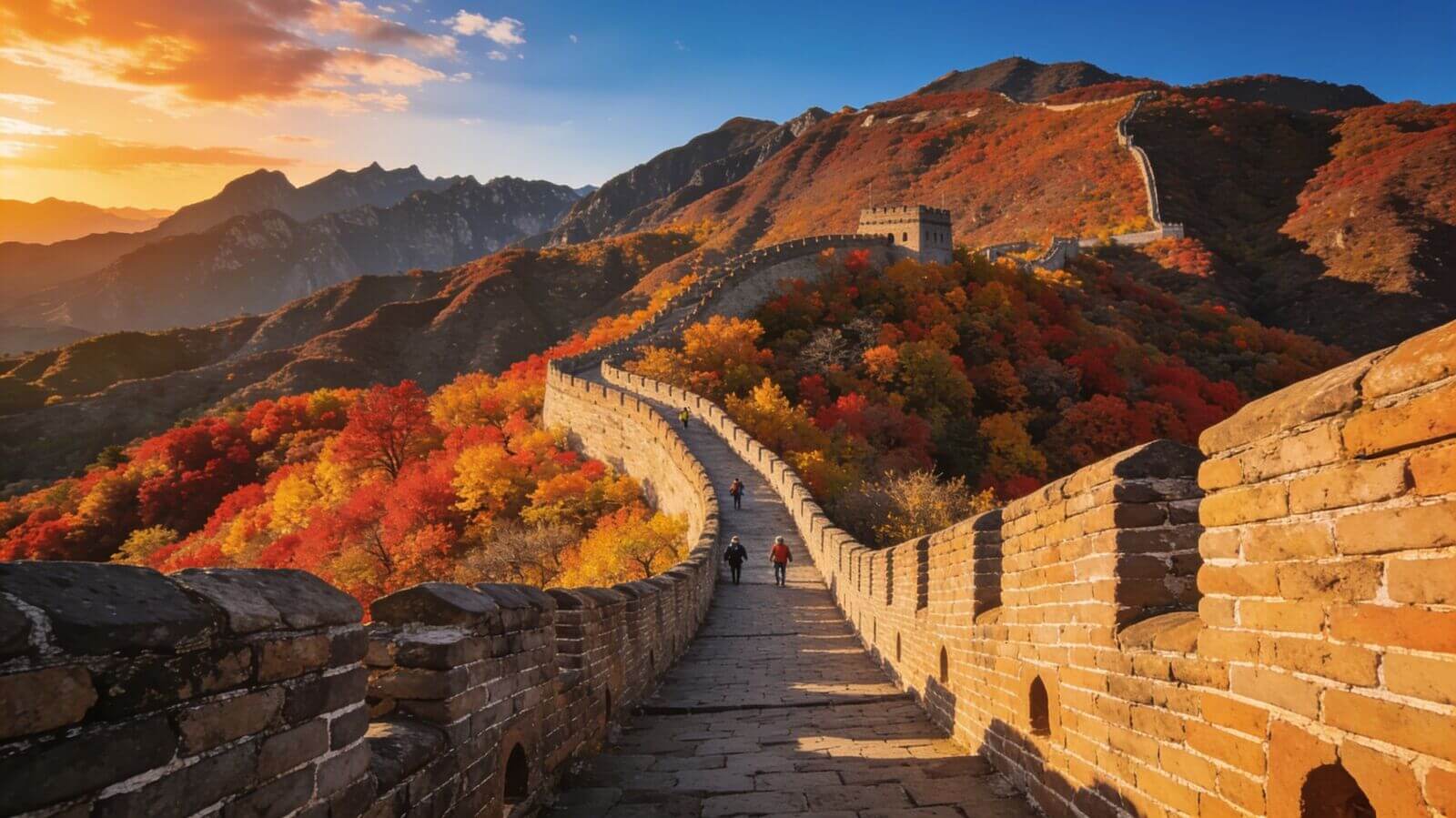
The Great Wall is not one wall but a vast network of walls built over many dynasties. A national survey published in 2012 measured its total length at around 21,000 km. Badaling, the section closest to Beijing, is also the busiest, and on a holiday weekend it can feel like a theme park queue.
Instead, head two to three hours northeast of Beijing to Jinshanling, where the restored watchtowers zigzag over rugged ridges and the crowds thin out quickly. Next door is Gubeikou, a wilder, largely unrestored stretch with crumbling towers and overgrown paths. It’s a fantastic hike for experienced walkers, but wear good shoes and stick to established trails. Spring and autumn bring the clearest skies and the most comfortable temperatures.
Xi’an Beyond the Terracotta Warriors
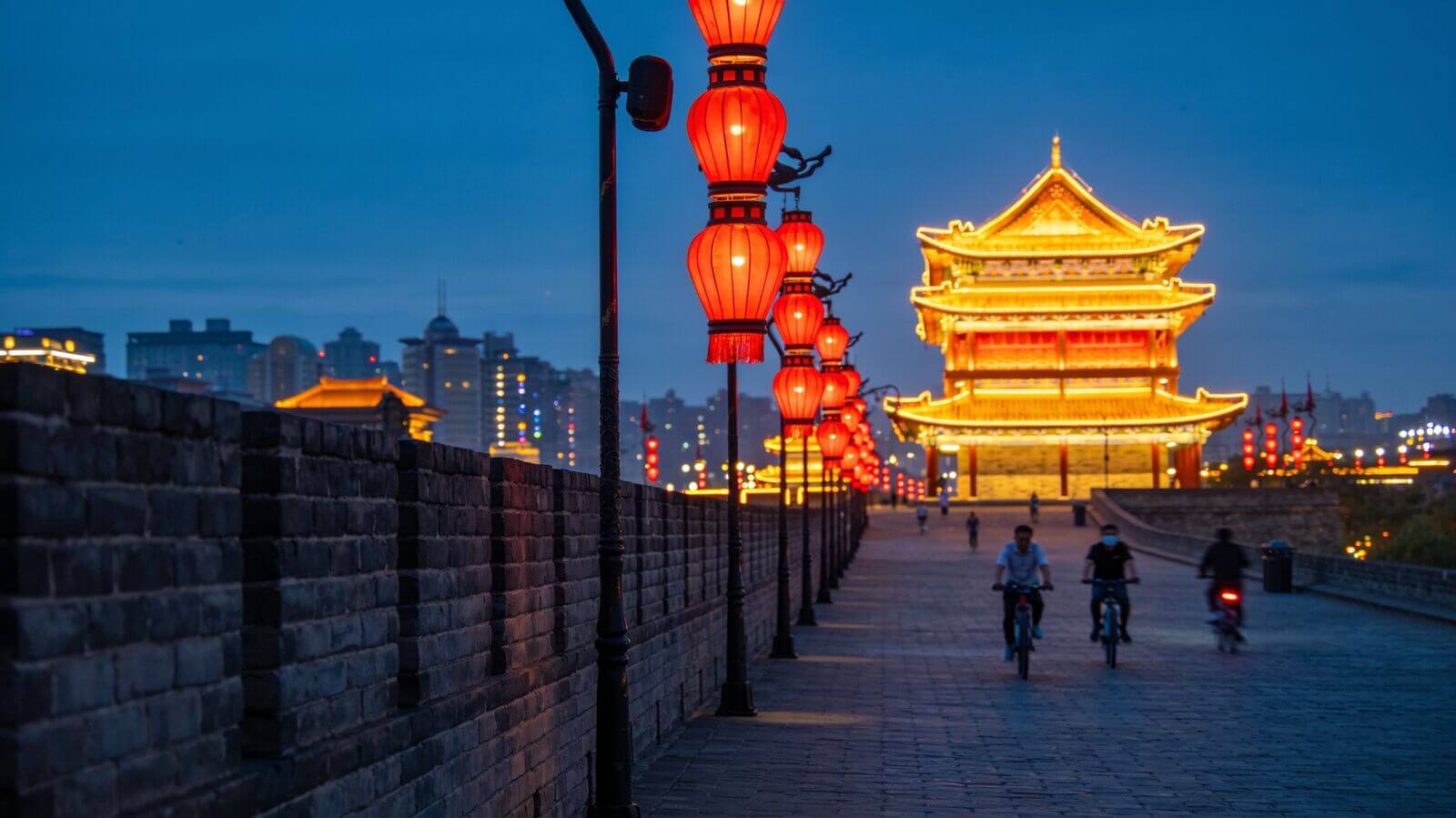
Xi’an is one of China’s Four Great Ancient Capitals and the eastern starting point of the Silk Road. The Terracotta Warriors, about an hour outside the city in Lintong, are unmissable, so go early to beat the tour groups.
Then slow down. The Ming dynasty City Wall, built in the 14th century, runs for almost 14 km around the old city. Rent a bike and ride the whole loop on top in a couple of hours, ideally late in the afternoon when the lanterns come on. Visit the Small Wild Goose Pagoda for a peaceful garden, book ahead for the excellent Shaanxi History Museum, and eat your way through the Muslim Quarter with roujiamo (a meat-filled flatbread) and biangbiang noodles. Xi’an is also roughly four and a half to six hours from Beijing by high-speed train, depending on the service.
Zhangjiajie Without the Selfie Sticks

Zhangjiajie National Forest Park in Hunan is famous for its towering sandstone pillars, which helped inspire the floating mountains in Avatar. It also attracts huge crowds, so give it at least two or three days rather than a rushed visit.
Enter the park as soon as the gates open, ride the Bailong Elevator (a glass lift built onto the side of a cliff) before the queues build, and walk the less-visited trails in the Yangjiajie area for quieter viewpoints. Outside the park, you’ll find the glass-bottomed bridge over Zhangjiajie Grand Canyon and the dramatic cliff-hugging walkways of Tianmen Mountain. April to May and September to October are the sweet spots. Zhangjiajie West station connects the city to the high-speed rail network.
Practical Tips for Off-Beat Travel in China
Venturing off the tourist trail in China can be incredibly rewarding, but it pays to plan ahead and leave room for flexibility. Remote towns and natural sites often have limited infrastructure, very little English signage and booking systems that assume you have a Chinese phone app or two. China also does things its own way online, with many Western apps blocked and cash quietly disappearing from daily life.
None of this is hard to manage once you know about it, and a little prep before you leave Australia will save you a lot of stress on the ground. Here’s what to sort out before you go, from visas and payments to staying online, getting around between remote regions and respecting local customs in rural and minority areas.
Visa-Free Entry for Australians
Good news for Aussies. At the time of writing, Australian ordinary passport holders can enter mainland China visa-free for up to 30 days for tourism, business, visiting family and friends, exchanges or transit. China extended the scheme so that it currently runs until 31 December 2026.
That makes a short trip to China easier than it has been in years, but the rules have changed several times recently, so double-check the Chinese embassy website and Smartraveller before you book. Make sure your passport has plenty of validity left, keep proof of your onward travel and accommodation handy, and fill in your arrival card on the plane. If you plan to stay longer than 30 days, you’ll still need to apply for a visa in advance. Hong Kong and Macau have their own separate entry rules.
Paying With Alipay and WeChat Pay
China runs on mobile payments. From hotpot restaurants to street-side fruit stalls, most places expect you to pay by scanning a QR code with Alipay or WeChat Pay, and some small vendors don’t handle cash at all.
The good news is that both apps now let foreign visitors link an international Visa or Mastercard. Set them up before you leave Australia, verify your identity with your passport and test a small payment as soon as you arrive. Alipay is also handy for booking taxis through its built-in DiDi mini-app and translating menus. Keep some cash in yuan as a backup, as rural guesthouses, small buses and older vendors in remote areas may prefer it, and let your bank know you’ll be using your card in China so it doesn’t get blocked.
Google Is Blocked, So Sort Your Data First
Many popular services are blocked in mainland China, including Google (Maps, Gmail and Search), WhatsApp, Instagram and most Western social media. If you rely on a local SIM or hotel Wi-Fi, you’ll usually need a VPN, and installing one after you land can be tricky.
The simplest fix is to buy a travel eSIM before you go. Our ZenSim China travel eSIM comes with a built-in VPN, so apps like Google, WhatsApp and Instagram keep working without any extra setup, and you can install it in Australia and switch it on when you land. Download offline maps and a translation app before you leave, too. Apple Maps works well in China, and Amap is the local favourite for public transport directions. For more detail, check out our guide to getting data in China without VPN issues.
Transportation Between Remote Regions
Getting to China’s lesser-known destinations usually means a mix of high-speed trains, regional flights and local buses. China’s high-speed rail network is huge, fast and very reasonably priced, and it now reaches many small towns, including Wuyuan, Pingyao, Jiangshan and Yangshuo.
You can book trains on the official 12306 app or website with your passport, or through a third-party booking site with English support. Bring the same passport you booked with, as you’ll need it to pass through the station gates. For the final stretch to mountains, villages and terraces, you may need a local bus, a taxi via DiDi or a hired driver arranged through your guesthouse. Popular routes sell out quickly around public holidays, so book early if your dates overlap with Golden Week or Lunar New Year.
Language and Cultural Considerations
In under-the-radar regions of China, it may be difficult to find locals who speak English, even at guesthouses and ticket offices. A translation app with a camera function will be an immense help for reading menus and signs, and a few Mandarin phrases (hello, thank you, how much) go a long way.
China’s rural and minority regions also have their own customs that may not be covered in typical guidebooks. In Tibetan and Uyghur areas, dress modestly, walk clockwise around Buddhist temples and stupas, and always ask before photographing people. Photography is often not permitted inside temples, shrines and some museums, so look out for signs. In Xinjiang especially, expect frequent security checks, carry your passport at all times and check Smartraveller for the latest advice before you travel.
Your Unforgettable Journey Through the China Few Tourists See
Venturing beyond China’s famous landmarks may take a little extra legwork, but it’ll be one of the most fulfilling trips of your life. Picture yourself drinking tea in a Wuyuan village, watching the sun rise over flooded rice terraces in Yunnan and spinning prayer wheels with pilgrims in Gannan, all on the same trip.
Start with one or two regions rather than trying to see the whole country at once. China rewards slow travel, and a couple of nights in each place gives you time for the unexpected moments that make a trip. So embrace your sense of adventure, brush up on a few Mandarin phrases, set up your payment apps and download your travel eSIM before you leave, because the real magic of China happens far, far away from the main attractions.
FAQs
Some of the most rewarding lesser-known spots include Wuyuan County in Jiangxi for its ancient villages and tea culture, the Crescent Moon Spring desert oasis in Dunhuang, the walled town of Pingyao in Shanxi, the Hakka roundhouses of Fujian, the Yuanyang rice terraces in Yunnan and Mount Fanjing in Guizhou. Each offers something genuinely different from the standard Beijing, Shanghai and Xi’an itinerary.
At the time of writing, Australian ordinary passport holders can enter mainland China visa-free for up to 30 days for tourism, business, visiting family and friends, exchanges or transit. The scheme is currently set to run until 31 December 2026, so check the Chinese embassy website and Smartraveller before you book.
Generally yes, though remote regions require more preparation. Language barriers are more common outside major cities, English signage is limited, and infrastructure in rural areas can be patchy. Downloading a translation app and having a reliable travel eSIM for data before you go makes these regions much easier to navigate. Check Smartraveller for the latest advice, particularly for Xinjiang and Tibetan areas.
Many popular apps and websites are blocked in mainland China, including Google, WhatsApp, Instagram and most Western social media. Our ZenSim China travel eSIM comes with a built-in VPN, so you can keep using your favourite apps without extra setup. If your eSIM or SIM doesn’t include one, you will usually need to install a VPN before you arrive.
Getting to lesser-known destinations usually involves a combination of high-speed trains between major cities, regional flights and local buses or hired drivers for the final stretch. Some scenic areas like Mount Fanjing and the Mogao Caves have daily visitor caps and real-name ticketing with your passport, so booking ahead is essential.
Expect frequent ID and security checks, and carry your passport at all times. Some border areas, such as Tashkurgan on the Karakoram Highway, need an extra border permit, and access to Tibetan areas outside the Tibet Autonomous Region can occasionally be restricted around sensitive dates. Dress modestly, ask before photographing people or religious sites, and check Smartraveller before you go.
Travel eSIMs you may like:
Written by
Holly Grace Callis
Freelance content writer, a big fan of spicy margs.
Holly is our resident digital nomad making the beaches of Mexico home. You’ll usually find her somewhere in LatAm furiously typing about hidden Europe spots or how to wrangle more data from your e-sim deal. After all, it’s not nomad life if you can’t post it on the ‘gram.

Get amongst it
Join the community
We will reach out when we launch new products, about our sustainability projects, specials, new innovations or maybe even cool sh*t we think is inbox worthy.


