



As far as countries go, Spain isn't exactly a hidden gem. Decades ago, Ernest Hemingway called it the last good country left, and in the age of mass tourism, Spain has become one of the most visited countries on earth.
Travel eSIMs you may like:

But Spain is nothing if not diverse. The country is made up of an astonishing variety of different landscapes, and is home to several different and often fiercely proud cultures, from the Basque Country to Andalusia to Catalonia. That means Spain has almost endless places to visit. First-timers and seasoned Hispanophiles alike can always find somewhere new and beautiful to explore here.
In this article, we're going to look at some of the best hidden gems in Spain. We're talking about unique places that will show you something beyond the popular hotspots of Madrid, Barcelona, and the Balearic Islands. Because in Spain, like in many other countries, the places off the beaten path are often the ones that will linger longest in your memory. For each one, I've included a quick note on how to get there, because many of these places are hidden precisely because they're a little tricky to reach. If you're after the big-name destinations instead, check out our guide to the best places to visit in Spain.
1. Albarracín, Aragón
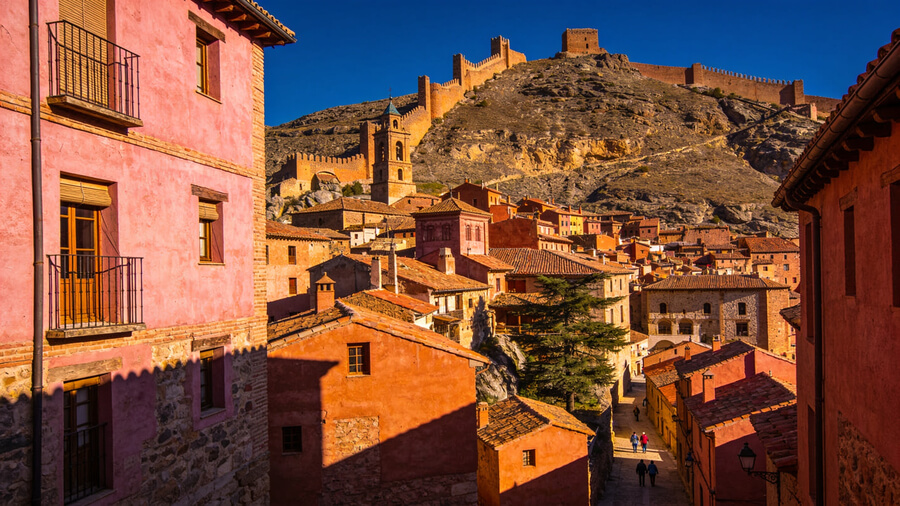
Often described as one of the most beautiful villages in Spain, Albarracín feels like something from a medieval fairy tale. Located on a hilltop in the province of Teruel, the town is surrounded by defensive walls and characterised by its distinctive pink-hued buildings.
This is one of those places where the best thing to do is just wander. Everywhere you go, you'll find historic homes, stone staircases, and viewpoints that look out over the surrounding countryside. The medieval walls, the cathedral, and the lively Plaza Mayor make this a worthwhile day trip in itself, and the surrounding hiking trails can keep you occupied for longer if you're lucky enough to have more time here.
It's well known to Spaniards, so you won't have the place to yourself. But international tourists haven't taken it over like they have other places in Spain, so you'll have the thrill of feeling like you're seeing new places as you explore.
Getting there: there's no train station, so a car is the easiest option. It's around 40 minutes from Teruel, and roughly two and a half hours from Valencia or Zaragoza. Limited buses run from Teruel.
2. Cadaqués, Catalonia
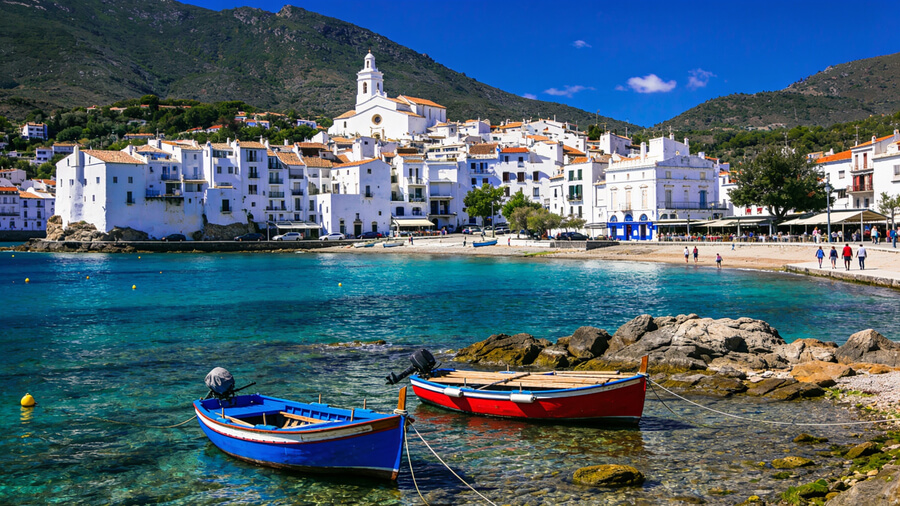
It was the Catalan artist Salvador Dalí who first made Cadaqués famous. For more than a century, the whitewashed buildings of the town, clustered around a picturesque rocky bay, have attracted artists, writers, and creative types. Located in the far north-east of Spain, just a short distance from the border with France, this Mediterranean town is known throughout Spain for its delicious seafood and beautiful waterfront streets. Just around the bay is Dalí's quirky house in Portlligat, with eggs on the roof and a stuffed polar bear in the entrance. Visits are by timed ticket only, so book ahead.
Cadaqués is just one town on the Costa Brava, a hugely popular region known for endless sun, warm sea, and beautiful villages just like this one. Towns like Roses, Calella de Palafrugell, and Tossa de Mar are nearby and worth visiting as part of a larger trip. Plus, there are stunning hiking trails over the rugged Cap de Creus headland, which ends at a lighthouse on the easternmost point of mainland Spain, and endless spots for swimming, from sandy resort-type beaches to quiet rocky coves. What more could you want?
Getting there: take a high-speed train from Barcelona to Figueres (just under an hour), then a bus over the hills to Cadaqués (around an hour). Direct buses from Barcelona also run, especially in summer.
3. Frigiliana, Andalusia
Andalusia is home to popular destinations like Seville, Granada, and Málaga. Many of the ideas outsiders have about Spanish culture, including bullfighting and flamenco, come from here. But this huge autonomous region is also home to some of the best hidden gems of Spain.
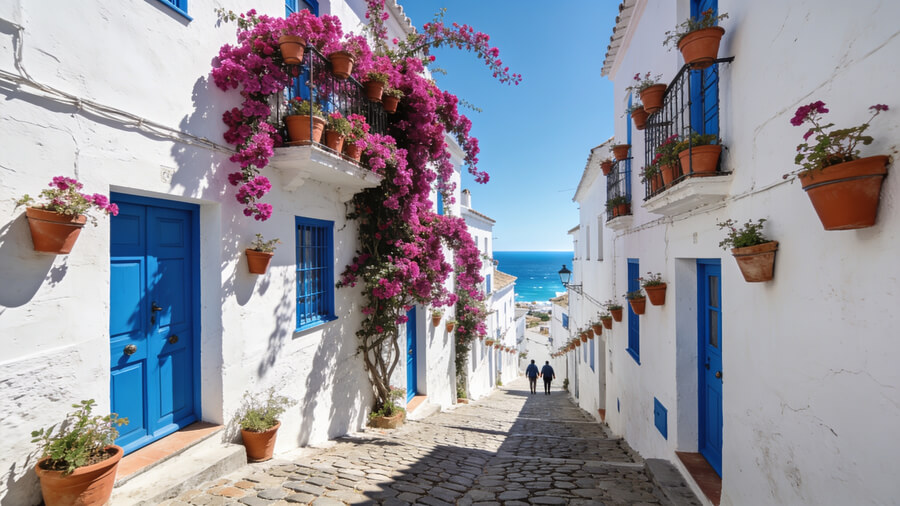
Frigiliana is a great example. Occupying a hillside above the Mediterranean, this whitewashed village is famous for flower-filled streets, cobbled lanes decorated with mosaic patterns, and spectacular views down to the coast. The old Moorish quarter is the heart of the village, and as you climb its steep streets, look out for a series of ceramic plaques that tell the story of the 16th-century Morisco uprising and the battle fought on the mountain above the town.
The village is also known for miel de caña, a sticky, molasses-like sugar cane syrup that's drizzled over fried eggplant in local tapas bars. You can sample local wines, hike in the Sierras de Tejeda, Almijara y Alhama Natural Park, or time your visit for the Festival of the Three Cultures in late summer, which celebrates the region's Christian, Muslim and Jewish heritage.
Getting there: Frigiliana is about 15 minutes by bus from the beach town of Nerja, and around an hour by car from Málaga Airport.
4. Las Médulas, Castile and León
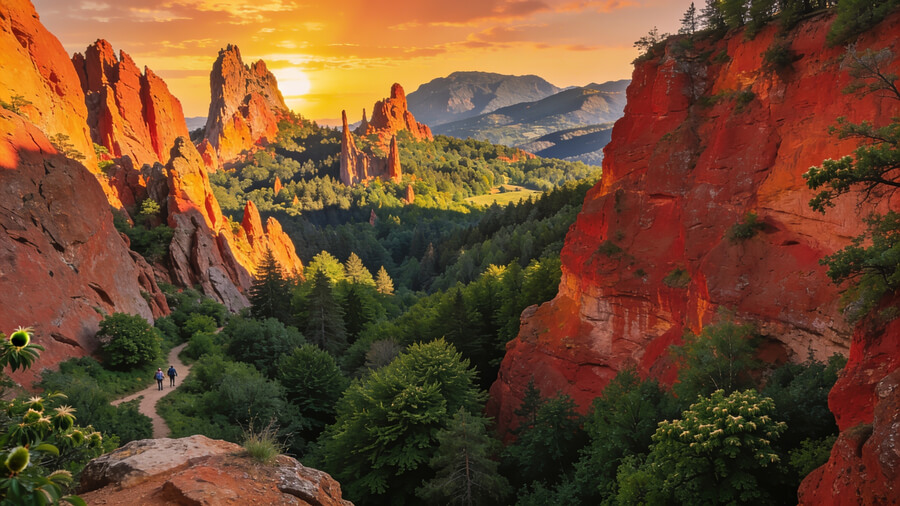
The variety of landscapes in Spain is part of what makes it such a fantastic place to visit. Some places in Spain look as lush and green as Ireland, while others are almost deserts. And Las Médulas is one of the most unusual landscapes in the country, owing in part to once being the largest open-pit gold mine in the Roman Empire.
The Romans used a remarkable technique to get at the gold, channelling huge amounts of water through tunnels to collapse entire mountainsides. What's left is a surreal landscape of red rock pinnacles, caves, and chestnut forests that you can explore on a network of walking trails. Thanks to this mix of Roman engineering and natural beauty, it has achieved UNESCO World Heritage status.
Don't miss the Mirador de Orellán viewpoint, where you can walk through an old Roman mining tunnel to a platform overlooking the whole site. It's the perfect hidden gem for anyone interested in archaeology, photography, or outdoor exploration, and autumn, when the chestnut trees turn golden, is especially beautiful.
Getting there: Las Médulas is around 25km from Ponferrada, which you can reach by train from León or Madrid. From Ponferrada, you'll really need a car or taxi.
5. Cudillero, Asturias
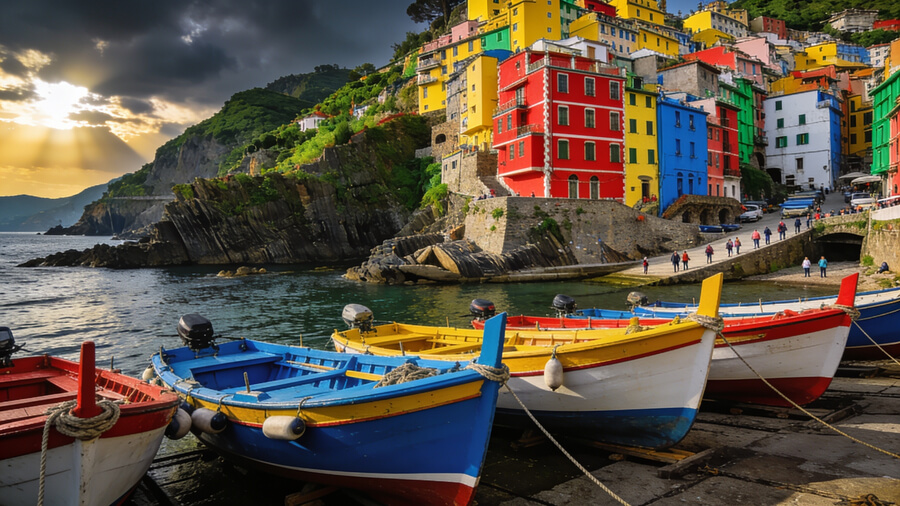
The Mediterranean coast of Spain, including Barcelona and the beaches of the Balearic Islands, attracts a lot of international attention. Spain's northern coast is a lot less frequently visited. And yet, it has some of the most beautiful scenery you'll find in the country.
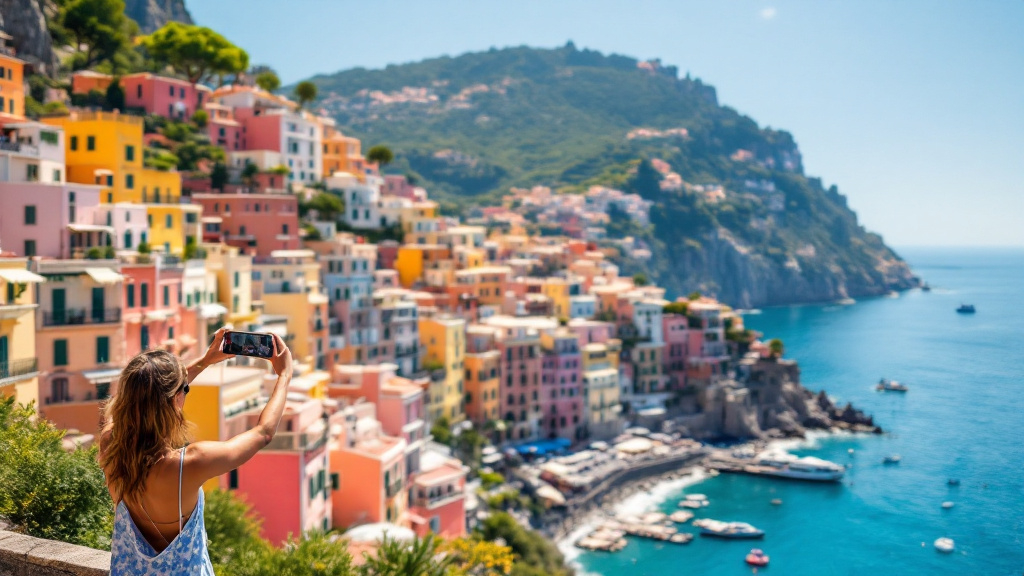
The colourful fishing village of Cudillero is a great example. Built into a steep hillside overlooking the Atlantic Ocean, its brightly painted houses tumble down towards the harbour like seats in an amphitheatre, making it one of Spain's most photogenic settings.
Fresh seafood, coastal viewpoints, historic streets, and awe-inspiring cliffs await visitors who make the journey out here. Order a plate of fresh fish at a harbourside restaurant and wash it down with Asturian cider, poured from a great height to give it some fizz. Nearby, the Playa del Silencio is one of the most beautiful beaches on the north coast. Plus, the cooler climate and lush green landscapes make this part of Spain feel completely different from the more touristed southern areas of the country.
Getting there: Asturias Airport is only about 20 minutes away by car, and Oviedo and Gijón are under an hour. Local buses and a slow regional train also serve the town.
6. Aínsa, Aragón
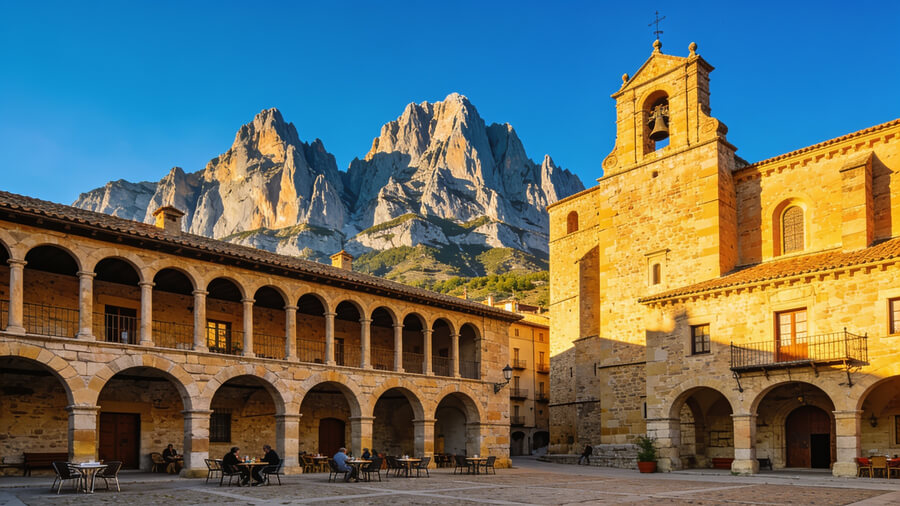
The Pyrenees mountains form the historic border between France and Spain, and they offer some of the most spectacular mountain scenery in all of Europe. They're also a great place to discover Spain's hidden charm, as international tourism is less common here than in southern Spain.
Aínsa is a great example. This medieval hilltop town is well known for its huge arcaded Plaza Mayor, cobbled lanes and stone castle, which now houses a small ecomuseum. But it also offers easy access to some incredible mountain backcountry. The Ordesa y Monte Perdido National Park, with its deep canyons, waterfalls and towering limestone walls, is about an hour's drive away, and the area is a magnet for mountain bikers, hikers and rafters.
Nearby national parks and natural areas allow you to combine culture and outdoor adventure in a single trip. Who knows? This relatively unknown town might become one of your favourite places in Spain.
Getting there: a car is best. Aínsa is roughly an hour from Barbastro and around an hour and a half from Huesca, with limited bus connections.
7. Ronda's Lesser-Known Surroundings
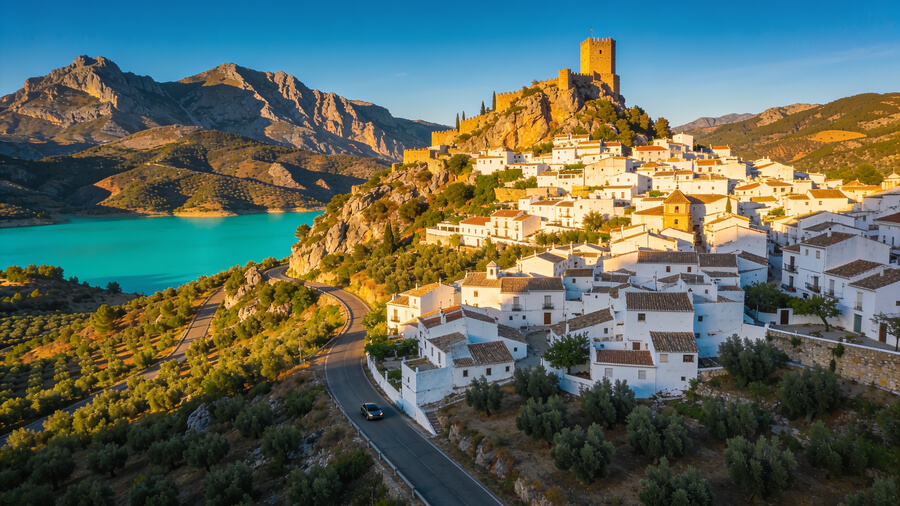
Ronda, in Andalusia, definitely gets plenty of visitors. It's known for its dramatic gorge, with a historic bridge that provides an unmissable photo opportunity, so don't expect to get away from the tourists here.
However, while Ronda soaks up the crowds, the nearby Sierra de Grazalema region has just as much to offer. This natural park is dotted with pueblos blancos (white villages) like Grazalema itself, Zahara de la Sierra with its castle above a turquoise reservoir, and Setenil de las Bodegas, where houses are built right into the overhanging rock. It's also one of the rainiest places in Spain, which explains the surprisingly green hillsides.
From whitewashed villages to limestone mountains, from scenic drives to hiking trails, this is a wonderful place to get away from the crowds and see something new. Some trails, like the walk through the rare Spanish fir forest, require a free permit from the park's visitor centre, so check ahead.
Getting there: Ronda is reachable by train from Málaga, Granada and Algeciras, but you'll want a car to explore the villages, which are 30 to 60 minutes' drive away.
8. Comillas, Cantabria
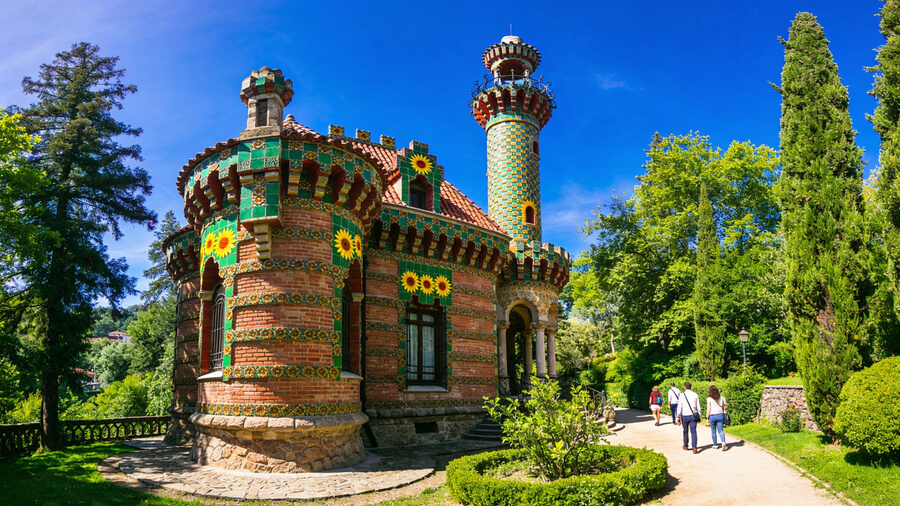
Barcelona's world-famous architecture is synonymous with Antoni Gaudí. But on the other side of Spain, in Cantabria, the small seaside town of Comillas is home to one of his few buildings outside Catalonia. El Capricho de Gaudí, a whimsical summer villa covered in green and yellow sunflower tiles with a slender minaret-like tower, was one of his earliest works, and you can tour it without the huge crowds of Barcelona.
That's not the only architectural surprise here. In the late 19th century, a wealthy local family, the Marquis of Comillas and his relatives, brought some of Catalonia's leading modernista architects to town. The result is a cluster of grand buildings you wouldn't expect in a small Cantabrian village, including the neo-Gothic Sobrellano Palace and its chapel, and the hilltop former Pontifical University. Even the cemetery is remarkable, with a striking marble angel perched on the walls of a ruined church.
Combine these architectural jewels with a lovely sandy beach, the dunes of the Oyambre Natural Park next door, and the medieval village of Santillana del Mar nearby, and you have one of Spain's most underrated destinations.
Getting there: Comillas is about 45 minutes by car from Santander, and buses from Santander take around an hour.
9. Bardenas Reales, Navarre
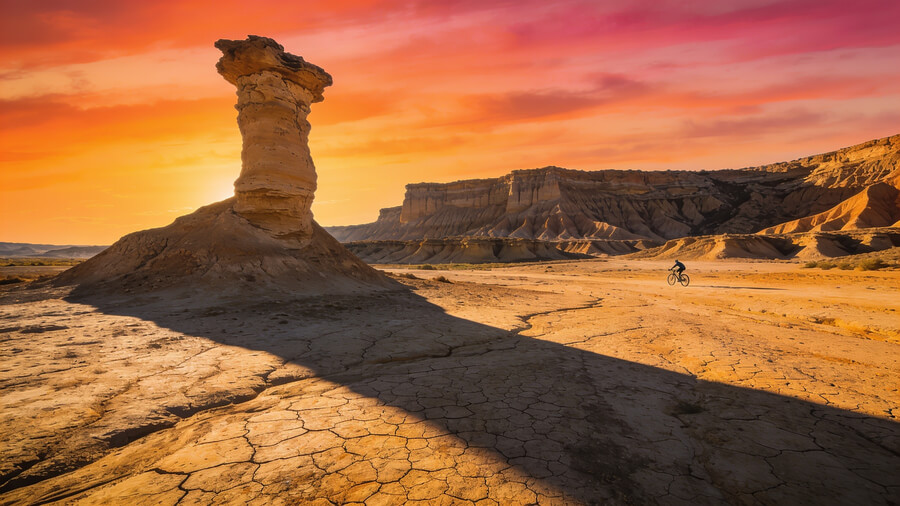
Bardenas Reales is another excellent example of Spain's climatic diversity.
This is the Spanish desert, and with its dramatic rock formations, wide-open plains, and sun-drenched canyons, it's hard not to see the resemblance to the American Southwest. In fact, this region has been used as a filming location for several film and television productions, including Game of Thrones.
It's a great place for hiking, cycling, scenic drives, and photography. The most famous formation is Castildetierra, a chimney of eroded clay and sandstone that looks like it might topple over any minute. The whole area is a UNESCO Biosphere Reserve, and the unforgettable desert sunsets feel out of this world.
A few things to know before you go. There's an active military firing range in the middle of the park, so stick to the marked tracks and check the visitor centre for closures. There are no shops or water inside, so bring plenty with you, and avoid the middle of the day in summer, when temperatures soar.
Getting there: you'll need a car (or a bike or guided tour). The park is around 20 to 30 minutes from Tudela, which has train connections to Zaragoza and Madrid.
10. Besalú, Catalonia
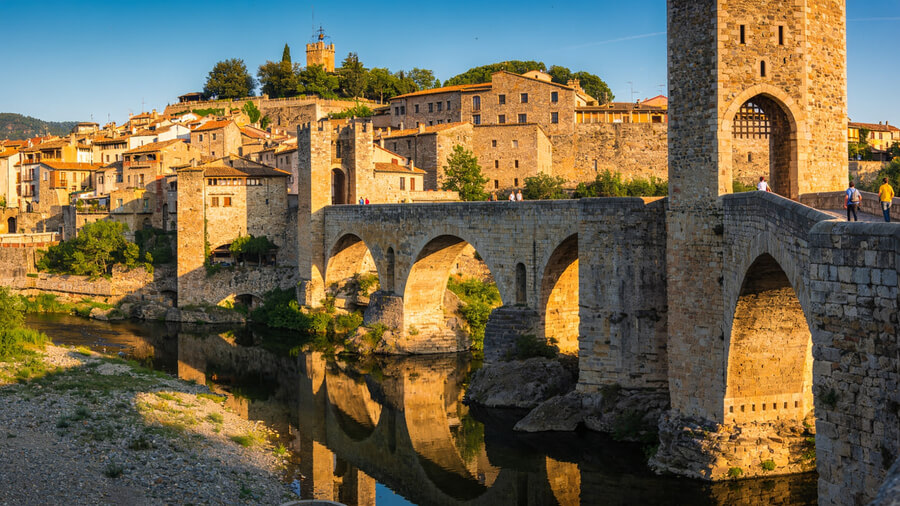
If your idea of a good time is wandering the cobblestone streets of a perfectly preserved medieval town, you might assume you need to head to France or Italy. But Besalú challenges that assumption.
Located inland in Catalonia, close to Girona and not too far from Barcelona, this remarkably preserved town is famous for its fortified Romanesque bridge, which crosses the Fluvià River with a defensive tower halfway along it. Walking across it into the old town feels like entering a film set. Besalú also has a historic Jewish quarter, where you can visit a medieval mikveh, or ritual bath, one of very few to survive in Europe. The Romanesque monastery church of Sant Pere is another highlight.
Despite all this history, it's not as well known to international tourists. That means you can really soak up the atmosphere and feel like you've travelled back in time. It's also a great base for exploring the volcanic landscapes of the Garrotxa region and the clifftop village of Castellfollit de la Roca.
Getting there: Girona is around 40 minutes from Barcelona by high-speed train, and buses from Girona to Besalú take about an hour.
11. Isla de Ons, Galicia
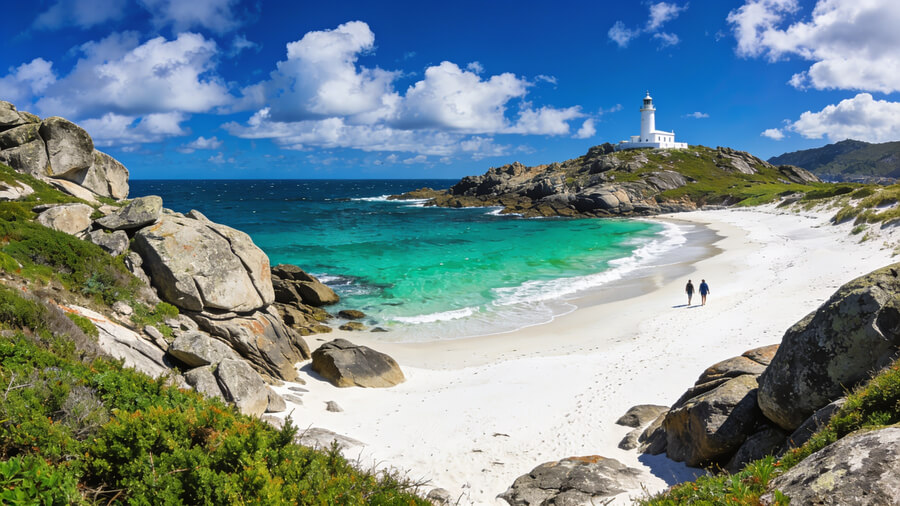
Many visitors to Spain's coast head directly for Ibiza, Mallorca, or the Costa del Sol. Those seeking a quieter island experience should consider Isla de Ons instead.
Part of the Atlantic Islands of Galicia National Park, the island offers rugged cliffs, walking trails, beautiful white-sand beaches, and excellent birdwatching. Visitor numbers are strictly limited, and in the busy months you'll need a free authorisation from the regional government before you go (ferry companies can usually help arrange it). That helps preserve the island's natural character and peaceful atmosphere, and means you can have a true encounter with nature, far from the more crowded destinations of the coast.
There are only a handful of residents and a couple of simple restaurants, where octopus is the order of the day. Walk out to the lighthouse, find the sea cave known as the Buraco do Inferno (Hell's Hole), and spend the afternoon on a near-empty beach. If you want to stay longer, there's a campsite on the island.
Getting there: ferries run mainly in summer from towns on the Rías Baixas coast, such as Sanxenxo, Portonovo and Bueu.
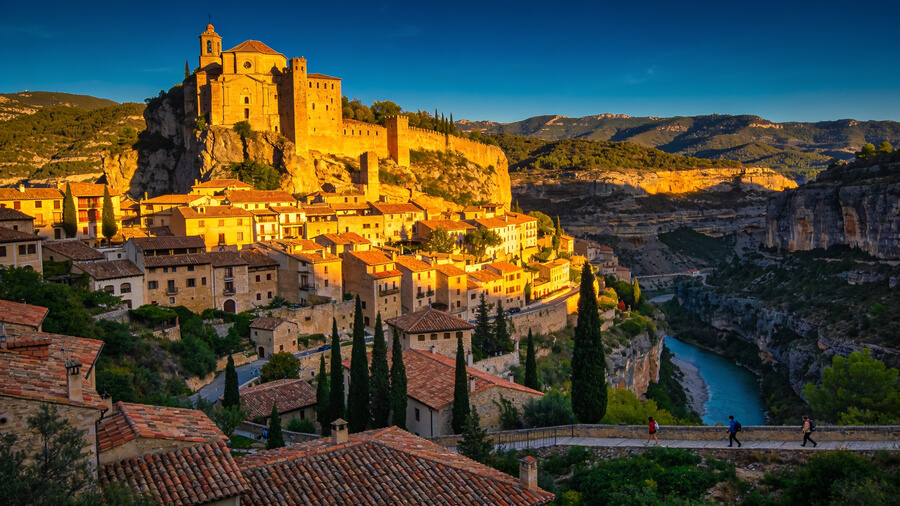
12. Alquézar, Aragón
Hidden among the dramatic landscapes of the Sierra y Cañones de Guara Natural Park, Alquézar is one of Spain's most picturesque villages, perched above the gorge of the Río Vero and topped by an ancient fortress-church.
But for many visitors, the real draw is what's below it. The Sierra de Guara is one of Europe's top canyoning destinations, with dozens of limestone canyons where you can abseil down waterfalls, slide down natural chutes and swim through narrow gorges. Local outfitters run guided trips for beginners, so you don't need any experience. Rock climbers love the area too.
If that sounds a bit much, the Pasarelas del Río Vero is a circular walk along metal walkways bolted onto the canyon walls, with views straight down to the river. The Río Vero valley is also home to prehistoric rock art that forms part of a UNESCO World Heritage listing. You don't have to be a thrillseeker to come here, and the village's tapas bars are the perfect place to recover afterwards.
Getting there: a car is best. Alquézar is about 20 minutes from Barbastro and around an hour and a half from Zaragoza.
Tips for Visiting Spain's Hidden Gems
Often, hidden gems stay that way because they are away from major transportation hubs. That means visiting some of these places will require a little advance planning.
A few useful tips include:
- Consider renting a car for maximum flexibility.
- Visit outside the peak summer months when possible.
- Book accommodation early in smaller villages.
- Learn a few basic Spanish phrases.
- Allow extra time for scenic detours.
It's also worth remembering that Spain runs on its own clock. Lunch is the main meal of the day and usually happens between 2pm and 4pm, and many small-town shops close for a few hours in the afternoon. Dinner rarely starts before 9pm. In rural areas, petrol stations and ATMs can be few and far between, so fill up and carry a bit of cash. And in summer, plan outdoor activities for the morning or evening, especially inland, where temperatures regularly climb into the high 30s.
Staying Connected While Exploring Rural Spain
Some of Spain's most rewarding destinations are located in mountain regions, coastal villages, or rural provinces where public transport and tourist services can be more limited.
Having access to mobile data can help with navigation, accommodation bookings, translation tools, and emergency communication. It's especially handy for checking bus timetables, which can be sparse in small towns, and for booking timed tickets to places like Dalí's house or the Isla de Ons ferry. Many travellers arrange a Europe travel eSIM before departure so they can get online as soon as they land. ZenSim's Europe plan covers Spain plus 39 other countries, starting from A$9 ($6 USD), so it'll keep working if your trip carries on to Portugal or France. Signal can still drop in deep canyons and remote valleys, so download offline maps before you head out.
Exploring The Hidden Gems of Spain
Spain's famous cities and beach resorts deserve their popularity, but the country's hidden gems reveal a side of Spain that many visitors never experience.
From the medieval streets of Albarracín to the fishing harbour of Cudillero, and from the desert landscapes of Bardenas Reales to the mountains around Aínsa, these lesser-known destinations offer unforgettable experiences away from the crowds. They also tend to be cheaper, friendlier and more relaxed than the hotspots, and you'll often find yourself eating where the locals eat simply because there's nowhere else.
The best way to see them is to build a few into a bigger trip. Pair Besalú and Cadaqués with a stay in Barcelona, Frigiliana and the Sierra de Grazalema with Málaga and Seville, or Comillas and Cudillero with a road trip along the green north coast. For travellers willing to venture beyond the obvious, Spain rewards curiosity at every turn.
FAQs
Some of the best are Albarracín in Aragón, Cudillero in Asturias, Las Médulas in Castile and León, the Bardenas Reales desert in Navarre, Comillas in Cantabria and the Isla de Ons in Galicia. They offer history, scenery and great food with far fewer international tourists than Barcelona or the Costa del Sol.
For many of them, a car makes life much easier. Places like Albarracín, Las Médulas, Bardenas Reales, Aínsa and the Sierra de Grazalema have limited public transport. Others, like Cadaqués, Besalú, Frigiliana and Comillas, can be reached by bus from nearby cities.
Spring (April to June) and autumn (September to October) are ideal, with mild weather and fewer crowds. Inland areas like Aragón and Navarre can be extremely hot in July and August and cold in winter, while the green north is cooler and wetter year-round.
It is doable, but English is less widely spoken in villages than in big cities. Learning a few basic phrases goes a long way, and a translation app with an offline language pack is a lifesaver in areas with patchy signal.
Travel eSIMs you may like:
Written by
Ryan Frawley
Travel writer and serial border crosser.
I've visited more than 30 countries so far, which sounds impressive until you see how long my travel wish list still is. When I'm not chasing cheap flights, figuring out eSIMs, or getting lost in places I can't properly pronounce, I'm usually writing about travel, remote work, and how to make both a little easier.
If you've ever searched "Can I work remotely from there?" at 2 a.m., we're probably on the same wavelength.
Get amongst it
Join the community
We will reach out when we launch new products, about our sustainability projects, specials, new innovations or maybe even cool sh*t we think is inbox worthy.


