



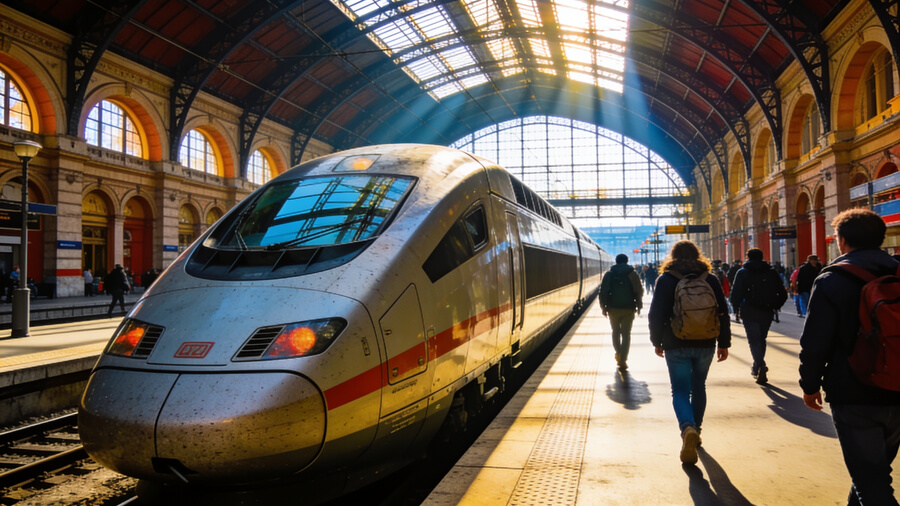
The Interrail scheme offers a real bargain for travellers. Europe packs so many different countries and cultures into a relatively small space, and with some of the world’s best public transportation infrastructure, you can travel by train easily and fairly cheaply and see a new country every day.
Travel eSIMs you may like:

An Interrail pass opens up many of the great cities of Europe to you, but where do you even start? There are so many options that it’s easy to get overwhelmed.
Don’t worry. In this article, we’re going to go over some of the most popular Interrail routes, and also look at some hidden gems. For each one, you’ll find the suggested stops, rough train times and how many days to allow. Then, all you need to do is decide what kind of trip you want to have, and choose a route that works for you.
You can’t really go wrong, so let’s dive in.
Interrail or Eurail? A Quick Note for Aussies
If you’ve researched European rail passes before, you’ll probably remember a confusing split. Interrail used to be for European residents, while everyone else, Australians included, had to buy a Eurail pass instead.
That’s no longer the case. In September 2026, the Eurail brand was retired, and the old Eurail website now redirects to Interrail. Australians and other overseas travellers now buy the Interrail Pass, just like Europeans do. The trains, countries and pass types haven’t changed, and any Eurail pass bought before the switch is still valid.
Passes come in two main flavours: Flexi passes, which give you a set number of travel days within a fixed period, and continuous passes, which let you ride as much as you like for a set number of days. Everything in this guide works with both. Not sure a pass is worth it at all? Our guide to whether a rail pass is worth it breaks down the costs.
Route One: The Classic Capitals
Best for: first-time visitors. Allow: two to three weeks, with six travel days.
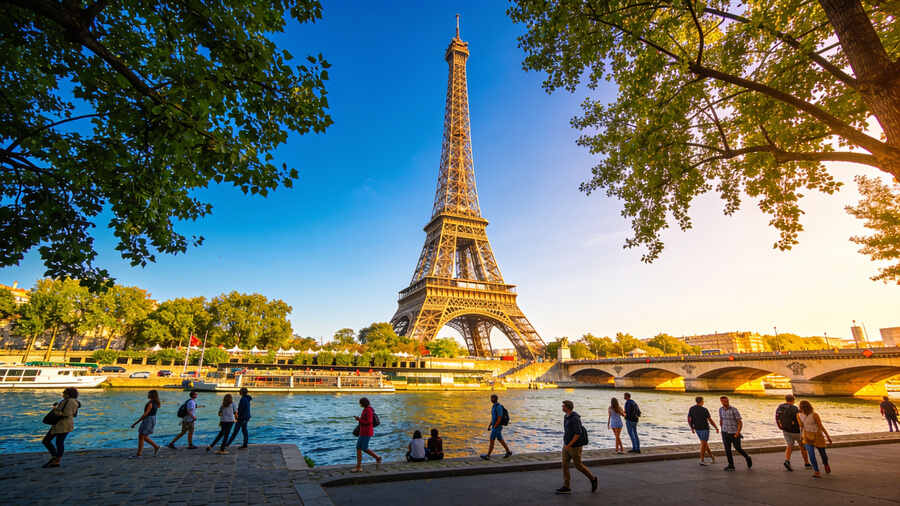
Suggested itinerary:
- Paris
- Brussels (about 1.5 hours from Paris)
- Amsterdam (about 2 hours)
- Berlin (about 6 hours)
- Prague (about 4.5 hours)
- Vienna (about 4 hours)
Sometimes, the classics are classics for a reason. Yes, those online influencers will tell you that you need to go to a village you’ve never heard of and eat at some grandmother’s kitchen to have a truly authentic experience, and that’s great if you get offered the chance. But it’s not for everyone.
Besides, are you really going to go to Europe and not see the Eiffel Tower, the canals of Amsterdam, or Prague’s Old Town? These places might be overrun with tourists, but that’s because they are undeniably beautiful.
This Interrail itinerary is a great one because it shows you so many different sides of Europe. Each of these cities is totally different from one another, and yet they are all just a few hours apart. This route will show you some of the most iconic locations in Europe, and lets you experience several different cultures for yourself.
The one long leg is Amsterdam to Berlin, so treat it as a lazy day of window-gazing across the Dutch and German countryside. Note that the Eurostar trains between Paris, Brussels and Amsterdam need a paid seat reservation on top of your pass, and they can sell out in summer, so book them as soon as your dates are set.
Route 2: Italy by Rail
Best for: history, food and culture. Allow: 10 days to two weeks, with five travel days.
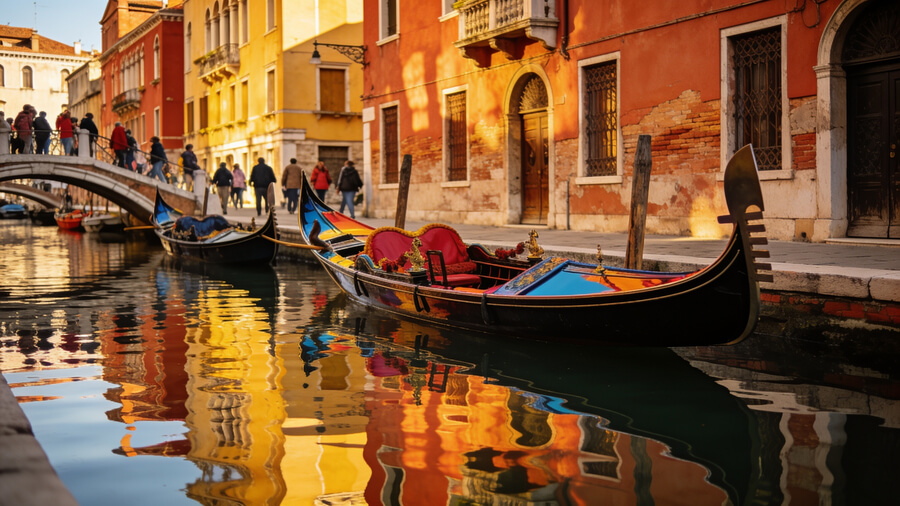
Suggested itinerary:
- Milan
- Venice (about 2.5 hours from Milan)
- Florence (about 2 hours)
- Rome (about 1.5 hours)
- Naples (about 1 hour 10 minutes)
Maybe I’m biased, because Italy is my favourite country in the world to visit. One of the top destinations in the world for food, art, history, scenery, and even weather, Italy has everything you need for an incredible holiday.
It also has a fantastic rail network. The major cities of Italy are connected by both regional and high-speed trains so that you can travel from one city to another in an hour or two. And yet, each city offers something completely different.
I recommend starting in the North, in Milan, the international capital of fashion and the economic engine of Italy. From there, it’s a short trip to the admittedly over-touristed but undeniably stunning lagoon city of Venice. Then, a short ride will bring you to Florence, birthplace of the Renaissance and home of some of the world’s greatest artistic masterpieces.
Next up is Rome, Italy’s capital and the capital of the Roman Empire, the best place to explore history that changed the world. Finally, head south to Naples, the loud, chaotic, and thrilling city on the edge of a beautiful bay and in the shadow of an active volcano.
An Interrail pass means you can stretch these trips out and see more of what each city has in its surrounding area. For example, the beautiful lakes in the north of Italy, like Como and Maggiore, are an easy train ride from Milan, and the stunning Amalfi Coast, along with the excavated Roman city of Pompeii, are easily reachable from Naples.
One tip: Italy’s high-speed Frecciarossa trains need a seat reservation for pass holders, but the slower regional trains don’t. For short hops like Florence to Pisa or Naples to Pompeii, just jump on a regional and save the fee.
Route 3: Central Europe Highlights
Best for: value for money. Allow: two weeks, with six travel days.
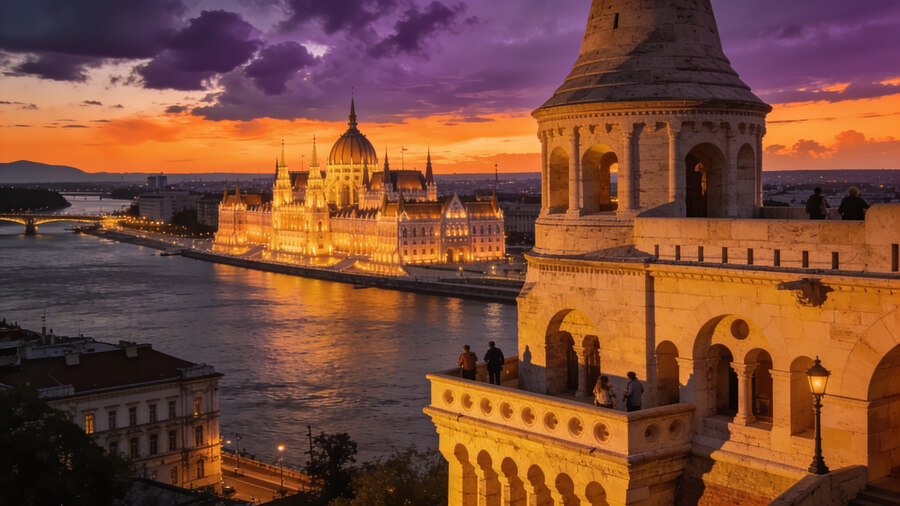
Suggested itinerary:
- Munich
- Salzburg (about 1.5 to 2 hours from Munich)
- Vienna (about 2.5 hours)
- Bratislava (about 1 hour)
- Budapest (about 2.5 hours)
- Kraków (best done on the overnight train)
It’s nice to see central Europe finally getting its flowers. For years, this region was overlooked in favour of the better-known Western cities like Paris, London, and Barcelona. But central Europe has a rich and fascinating history, and is home to some of the most beautiful cities on the continent.
Munich is a great place to start, and will give you a glimpse into the unique Bavarian culture of Germany. Then, the smaller but elegant city of Salzburg, birthplace of Mozart, is a fascinating stop.
The former imperial capital of Vienna is as beautiful as Paris, and if you’re a fan of history or classical music, this could easily be one of your favourite cities in Europe. Nearby Bratislava is easy to reach and small enough to explore in a day or two, but it’s also significantly cheaper than Vienna. Budapest is famous for its architecture and its nightlife, and Kraków is possibly the most beautiful city in Poland.
As you travel further east, you’ll find prices dropping more and more, making this a fantastic option for backpackers or people trying to make their travel budget stretch further. Most trains in Germany and Austria don’t need reservations either, which keeps extra costs down. The exception is the night train to Kraków, where you’ll pay a supplement for a couchette or sleeper berth, but you also save a night’s accommodation.
A travel eSIM is another great way to save money. ZenSim’s Europe plan works on local networks in 40 different countries, so you can cross every border on this route without paying costly roaming charges.
Route 4: Alpine Adventure
Best for: relaxing scenic journeys. Allow: one week, with four travel days.
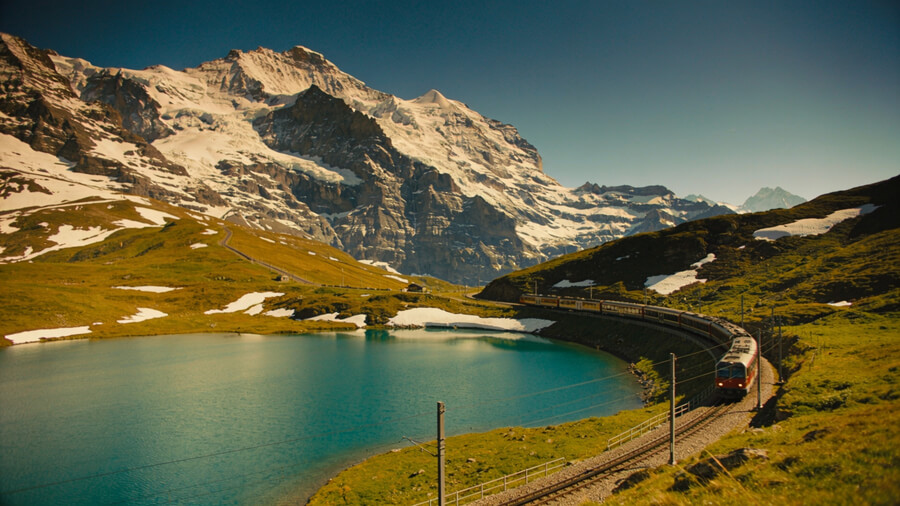
Suggested itinerary:
- Zurich
- Lucerne (about 45 minutes from Zurich)
- Interlaken (about 2 hours)
- Milan (about 4 hours)
Sometimes, the journey is the destination. One of the best things about train travel is that it allows you to sit back, relax, and watch the world go by. And there are few better places to do that than in Switzerland.
This journey will take you from the gorgeous city of Zurich through some of Switzerland’s most iconic locations on your way to Milan. Along the way, you’ll see snowcapped mountains, crystal-clear lakes, charming alpine villages, and some of the grandest scenery in Europe.
The Lucerne to Interlaken leg is a highlight in its own right, climbing over the Brünig Pass past waterfalls and turquoise lakes. From Interlaken, you can take day trips up into the Jungfrau region, and pass holders get discounts on many of the mountain railways and cable cars. The final run to Milan crosses the Alps and drops down into Italy, so you go from cheese fondue to risotto in one afternoon.
Yes, Switzerland can be expensive. But one of the best things about this journey is that being on the train, looking at the scenery, is part of the fun. Want to go further? Add the famous Glacier Express or Bernina Express, which are covered by the pass but need a paid panoramic seat reservation. Our guide to Switzerland on a budget has more ideas for keeping costs down.
Route 5: Mediterranean Explorer
Best for: beaches and sunshine. Allow: two weeks, with six travel days.
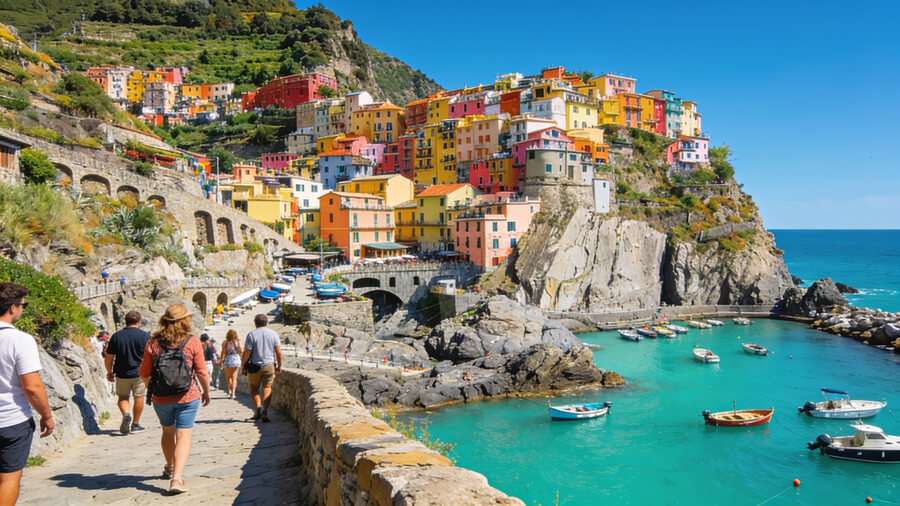
Suggested itinerary:
- Barcelona
- Marseille (about 4.5 hours from Barcelona)
- Nice (about 2.5 hours)
- Genoa (about 3 hours, changing at Ventimiglia)
- Florence (about 3 hours)
- Rome (about 1.5 hours)
The Mediterranean Sea has always been at the heart of European history and culture, and exploring it by train is a fantastic option. Southern Europe has a warm climate for much of the year and combines vibrant cities with spectacular coastline.
This route starts in Barcelona, the big and bustling Catalan city famous for its unique architecture. Then, you’ll travel through the south of France to Marseille, France’s second city with its historic port, unique cuisine, and stunning scenery.
Next up is Nice, with its high-end atmosphere and gorgeous coastline. Then, ride into Italy to explore the underrated city of Genoa along with two indisputable highlights of any Italian trip, Florence and Rome. Between Genoa and Florence, it’s worth hopping off for a night in the Cinque Terre, a string of colourful cliffside villages linked by a local train.
This journey takes you through three different countries, or four if you add Monaco along the way. It’s a great option for the summer or for the shoulder seasons, when the weather is still warm but the beaches are less crowded.
It offers the best of both worlds in a way, as you can spend lazy days lounging on the beach, then more active days exploring the hearts of vibrant cities. Budget for seat reservations on this one, as the high-speed trains in Spain, France and Italy all need them.
Route 6: The Balkans
Best for: adventurous travellers. Allow: 10 days to two weeks.
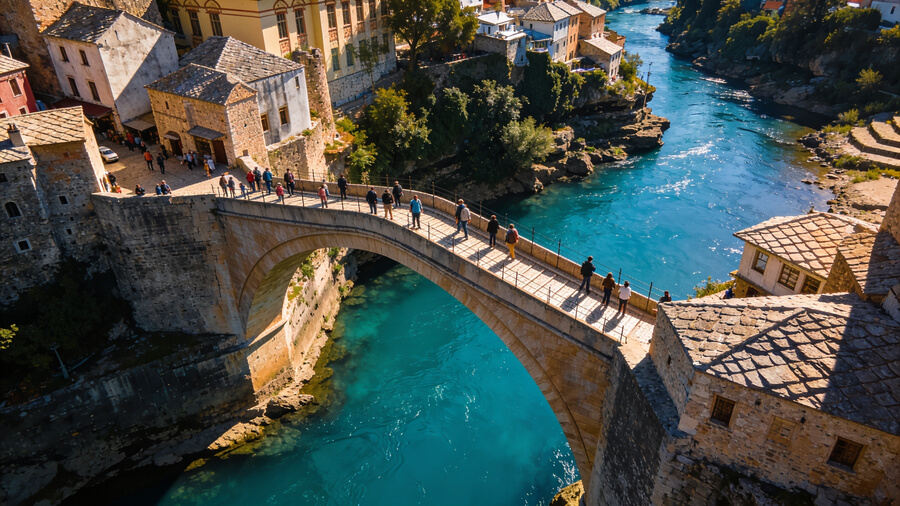
Suggested itinerary:
- Ljubljana
- Zagreb (about 2.5 hours by train from Ljubljana)
- Split (about 6 hours by train)
- Mostar (about 4 hours by bus)
- Sarajevo (about 2 hours by train)
If you want to see somewhere away from the usual tourist crowds, the Balkans are a fantastic option. They offer incredible scenery, rich history, and smaller crowds than you’ll find elsewhere. And the prices here are a fraction of what you’ll pay in Western Europe.
The caveat is that train connections are not as robust as they are elsewhere in Europe. There’s no railway between Split and Mostar, so that leg is a bus ride along the coast and through the mountains, and buses are often quicker than trains on other legs too. Your rail pass won’t cover buses, so budget a little extra for tickets.
The trains you do take are memorable, though. The Zagreb to Split line winds through the Croatian hinterland, and the short Mostar to Sarajevo route is one of the most scenic train rides in Europe, following the emerald Neretva River through deep gorges. If you can handle a little extra planning, this journey lets you see a beautiful part of Europe that many people never will.
How to Pick the Right Pass for Your Route
Once you’ve chosen a route, count the legs. As a rule of thumb, each leg is one travel day, so a route with six stops needs about five or six travel days. A Flexi pass with five or seven travel days in a month suits most of the routes in this guide. If you plan to move every day or two, or add lots of day trips, a continuous pass may work out better.
Then think about seat reservations. Pass holders need to pay extra for reservations on most high-speed trains in France, Italy and Spain, on Eurostar and on night trains. Fees range from a few euros to more than €30 per trip, and pass-holder seats can sell out in peak season. Trains in Germany, Austria, Switzerland and much of Central Europe usually don’t need them at all.
Finally, download the Rail Planner app. It holds your mobile pass, shows timetables, and tells you which trains need a reservation, so you’re not caught out on the platform.
Don’t Try to Do Too Much
Finally, a word of warning. The freedom an Interrail pass gives you can be intoxicating, tempting you to go everywhere and see everything all at once.
Resist that temptation. Rushing through cities is a great way to make sure you never really experience them. While you’ll cover a lot of ground, you might go home with the feeling that you never really saw anything.
Instead, pick a region you want to explore. It might be the capital cities of Western Europe, the Balkans, or a single country like Italy. Focus on somewhere that appeals to you, then explore it more in depth. A good rule is at least two nights in every city, and three in the big ones. That gives you one full day to see the sights and one to wander, eat well and recover from the train. Your pass will still be there tomorrow.
Choose Your Own Adventure
The diversity of European destinations means there’s an Interrail itinerary for every style of travel. Big-name cities, a deep dive into one country or a shoestring loop through Central Europe: this rail pass gives you access to the best destinations on the continent.
Staying online makes rail travel much easier. With a Europe travel eSIM from ZenSim, you can check platforms and delays, use maps to navigate, translate restaurant menus, and confirm hotel bookings, just like you would at home. One eSIM covers 40 countries, with plans from A$9 ($6 USD), which makes it the perfect companion for multi-country trips. And if you’re heading over from Australia, check our guide to how long Australians can stay in Europe before you lock in your dates.
FAQs
Yes. Since Eurail was merged into Interrail in September 2026, Australians and other overseas visitors buy the Interrail Pass, the same as European travellers. It covers the same trains and countries, and Eurail passes bought before the change are still valid.
Roughly one travel day per leg. Most of the routes in this guide have five or six legs, so a Flexi pass with 5 to 7 travel days in a month suits a two to three-week trip. If you plan to move every day or two, a continuous pass may work out better.
On some trains, yes. High-speed and long-distance trains in France, Italy and Spain, plus Eurostar, require a paid seat reservation on top of the pass. Most regional trains, and most trains in Germany, Austria and Switzerland, don't. Book reservations early in summer, as pass-holder seats can sell out.
The Classic Capitals route (Paris, Brussels, Amsterdam, Berlin, Prague and Vienna) is the easiest first trip, with fast, frequent trains and big-name sights. Italy by Rail is a close second if you'd rather focus on one country.
It depends on how far you travel and how far ahead you'd otherwise book. A pass is best value for long, multi-country journeys and flexible plans. If you only take a few trains and book early, point-to-point tickets can be cheaper.
Travel eSIMs you may like:
Written by
Ryan Frawley
Travel writer and serial border crosser.
I've visited more than 30 countries so far, which sounds impressive until you see how long my travel wish list still is. When I'm not chasing cheap flights, figuring out eSIMs, or getting lost in places I can't properly pronounce, I'm usually writing about travel, remote work, and how to make both a little easier.
If you've ever searched "Can I work remotely from there?" at 2 a.m., we're probably on the same wavelength.

Get amongst it
Join the community
We will reach out when we launch new products, about our sustainability projects, specials, new innovations or maybe even cool sh*t we think is inbox worthy.


