



July in Australia means cold mornings, early sunsets and that nagging feeling you should be somewhere else. The good news? Half the world is in peak summer, and a few tropical favourites close to home are in their best weather of the year.

Travel eSIMs you may like:


The catch is that July is also one of the busiest months to travel. Aussie school holidays line up with the European and North American summer break, so flights fill up and popular spots get crowded. Picking the right destination (and booking early) makes a huge difference.
We’ve rounded up 12 places that genuinely shine in July, from short-haul tropical escapes to bucket-list adventures on the other side of the world, along with what the weather is actually like, what’s on and a few tips to make the trip smoother.
Short-Haul Escapes Close to Home
These spots are an easy flight from Australia and are at their best in the middle of our winter. They’re the go-to choice if you only have a week or two of annual leave to play with and want maximum sunshine for minimum travel time. All three are in their dry season in July, which means reliable blue skies, calm seas and comfortable humidity. Jet lag is minimal too, since they’re only a few hours behind or ahead of Australian time, so you can land, drop your bags and be in the water the same afternoon. They do get busy over the school holidays, though, so the earlier you book, the better.
Bali, Indonesia

Bali is the obvious pick for Aussies chasing sun in July, and for good reason. The island is right in the middle of its dry season, which runs from roughly April to October, so you get warm days around 30°C, low humidity and very little rain.
It’s also prime surf season. The swell lights up the breaks on the Bukit Peninsula, including Uluwatu and Padang Padang, while beginners can learn on the gentler waves at Kuta and Canggu. Away from the beach, the cooler mornings are perfect for the sunrise hike up Mount Batur or a walk through the rice terraces around Ubud.
The trade-off is crowds. July is one of Bali’s busiest months, so book accommodation early and consider staying somewhere a little quieter, like Sidemen or Amed in the east. Most travellers will want to sort the Indonesian e-Visa on Arrival before flying.
Fiji
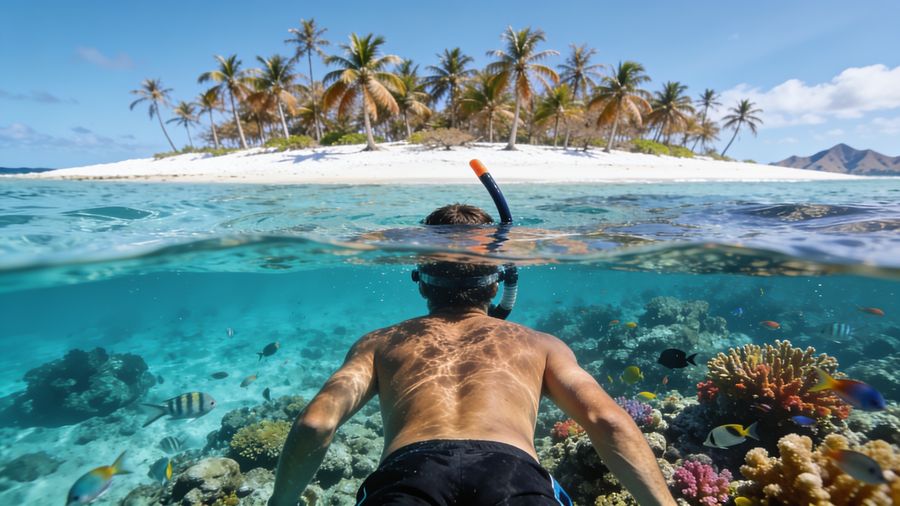
Fiji is under four hours’ flight from Sydney and Brisbane, and July is one of the best months to go. It’s the dry season, with daytime temperatures in the mid to high 20s, lower humidity and calm, clear water that’s ideal for snorkelling and diving.
Most visitors head to the Mamanuca and Yasawa Islands, a chain of postcard-perfect islands west of Nadi with white sand, coral reefs and resorts for every budget. Divers should look at the Beqa Lagoon near Viti Levu’s Coral Coast, famous for shark dives, or the soft corals of Taveuni, often called the Garden Island.
July is also when Nadi usually holds its Bula Festival, a week of parades, music, food stalls and a crowning of Miss Bula. Families should note that resorts fill up fast during Australian and New Zealand school holidays, so lock in a booking well ahead. Check our guide to the best eSIM options for Fiji before you go, as coverage on the outer islands can vary.
Central Vietnam (Hoi An and Da Nang)
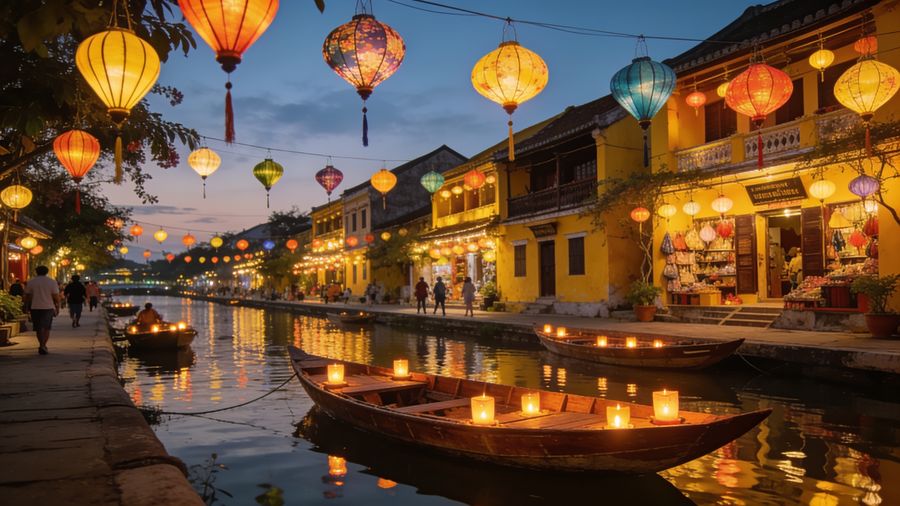
Vietnam’s weather is a bit of a puzzle because the north, centre and south all have different seasons. In July, the south is in its wet season and the north is hot and stormy, but central Vietnam is in its dry season. That makes Hoi An, Da Nang and Hue the smart picks.
Hoi An’s old town is a UNESCO-listed riverside port of yellow merchant houses and silk lanterns, and it’s at its most magical in the evening when the lanterns light up. Rent a bike and ride out to the rice paddies and An Bang Beach, or get a suit tailored in 24 hours. Da Nang has a long city beach, the Marble Mountains and the Golden Bridge held up by giant stone hands in the Ba Na Hills.
Expect heat in the mid 30s, so plan sightseeing for early morning and late afternoon. And don’t leave without diving into the street food. Cao lầu, a noodle dish found only in Hoi An, is a must.
Europe in Peak Summer
July is high summer in Europe: long days, warm seas and a festival in almost every town. It’s also hot, expensive and crowded in the big-name cities. These picks give you the best of the European summer, with a few tactics to dodge the downsides. A couple of them, like the Alps, northern Spain and Norway, are deliberately cooler options for people who melt in the heat. The others are classic Mediterranean beach spots that are worth the crowds if you plan well. Most Australians can spend up to 90 days in the Schengen Area without a visa, so it’s easy to combine a few of these in one trip.
Amalfi Coast, Italy

For an iconic Mediterranean summer, the Amalfi Coast is hard to beat. Colourful villages like Positano, Amalfi and Ravello cling to cliffs above the glittering Tyrrhenian Sea, and July means sea temperatures warm enough for long swims and evenings that stretch past 9 pm.
The best way to see the coast is from the water. Ferries link the main villages and are faster than the famously narrow coastal road, which gets jammed with traffic in summer. Hikers should tackle the Path of the Gods (Sentiero degli Dei), a clifftop trail with jaw-dropping views of the coastline. Ravello, high above the sea, hosts a long-running summer music festival with concerts on a terrace overlooking the bay.
The Amalfi Coast doesn’t come cheap in July. To save money, stay in Sorrento or Salerno and day-trip by ferry, or book a room in a smaller village like Praiano or Minori. Book restaurants for sunset, and pack sturdy shoes, as there are a lot of stairs.
The French Alps
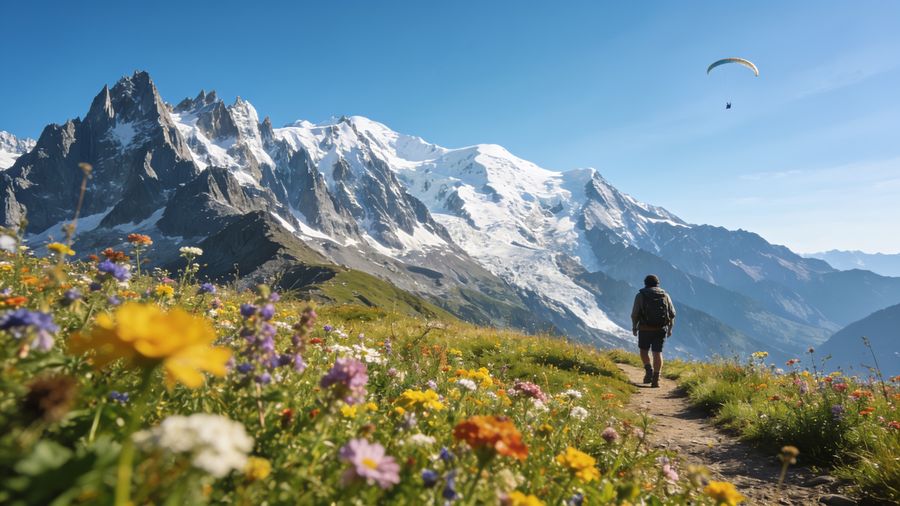
When most people picture France, they imagine a café in Paris. But in July, the French Alps are where the action is. The ski crowds are long gone, the meadows are full of wildflowers, and temperatures in the valleys sit in the mid 20s, a welcome break from the summer heat elsewhere.
Chamonix is the outdoor capital, sitting beneath Mont Blanc, the highest mountain in Western Europe. Take the cable car up to the Aiguille du Midi for views over glaciers, try paragliding or tackle a section of the Tour du Mont Blanc, a multi-day hiking route through France, Italy and Switzerland. Lake Annecy, often called the cleanest lake in Europe, is perfect for swimming, paddleboarding and cycling around the shore.
July also brings the Tour de France, which usually passes through the Alps and draws huge crowds to the mountain stages. Combine the Alps with a few days in Lyon for food, or cross into Italy and Switzerland on the same trip.
Northern Spain

While southern Spain swelters in July, the north coast stays green and mild, with temperatures in the mid 20s. The Basque Country, Cantabria, Asturias and Galicia are a little off the beaten path, even in one of the world’s most visited countries.
San Sebastián is the star, with its beautiful La Concha beach and some of the best food in Europe. Hop between pintxos bars in the old town for a progressive dinner of small bites. Bilbao has the Guggenheim Museum, and further west, the Picos de Europa National Park offers incredible hiking. Galicia’s Rías Baixas coast has quiet beaches and fresh seafood.
July is also when Pamplona hosts the San Fermín festival, with its famous running of the bulls from 6 to 14 July. It’s wild, packed and booked out months in advance. For more ideas, check out our guide to the best places to visit in Spain.
Croatia’s Dalmatian Coast
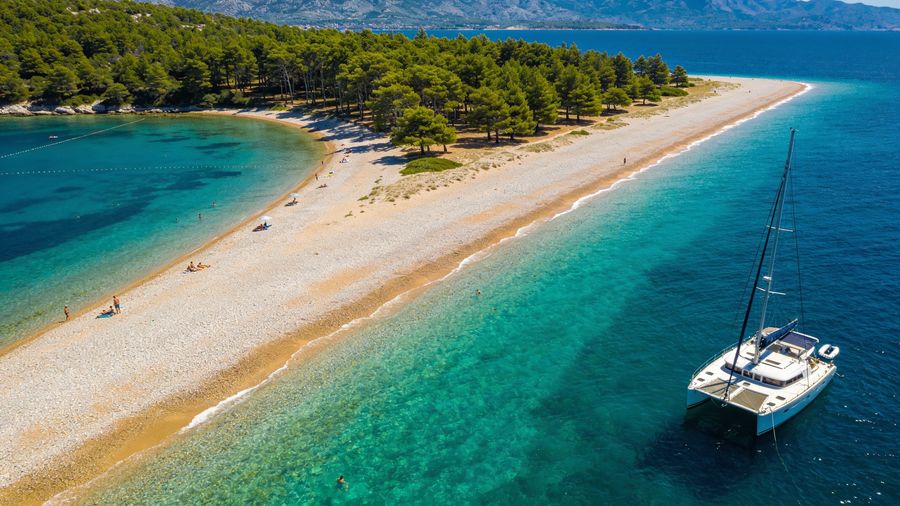
Croatia’s Dalmatian Coast is all limestone cliffs, pine-covered islands and impossibly clear water, and July is peak beach weather with sea temperatures well into the 20s.
Dubrovnik is the headline act. Its medieval walls are fully intact and walkable, with views over the terracotta rooftops of the old town. In July, walk the walls first thing in the morning to beat the heat and the cruise ship crowds. Split’s old town is built inside the ruins of a Roman emperor’s palace, and Krka National Park nearby has emerald waterfalls and wooden boardwalks.
The real joy is island hopping. Catamarans connect Split with Hvar, known for nightlife and lavender, Brač with its famous Zlatni Rat beach, and quieter Vis and Korčula. Book ferries ahead in July, and look at a sailing trip if you want to see several islands without the hassle of packing and unpacking.
Norway’s Fjords
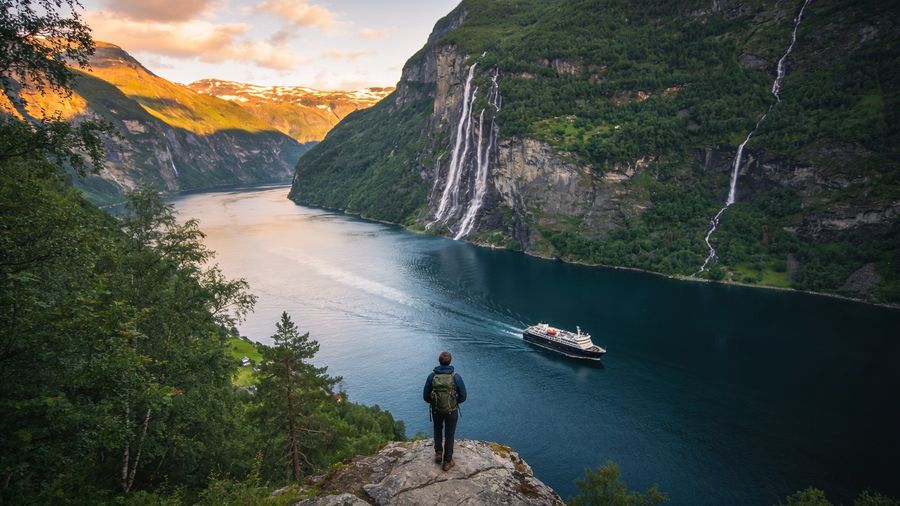
If you love the idea of Europe in summer but hate heat, Norway is your answer. July temperatures are mild, mostly in the high teens to low 20s, and the days are incredibly long. North of the Arctic Circle, the midnight sun means it doesn’t get dark at all for part of the month.
The fjords of western Norway are the big draw. The Geirangerfjord and Nærøyfjord are both UNESCO-listed, with sheer cliffs and waterfalls plunging straight into the water. Take the Flåm Railway, one of the steepest standard-gauge railways in the world, or do the classic Norway in a Nutshell route by train and boat. Hikers can tackle Preikestolen (Pulpit Rock) or the more demanding Trolltunga.
Norway is expensive, so stock up at supermarkets and use the excellent public transport. Bergen makes a great base, and further north, the Lofoten Islands are a photographer’s dream in summer.
Bucket-List Adventures
These trips take more time and planning, but July is the month that makes them truly special. If you’ve got a few weeks of leave saved up, here’s where to use them. Each one is tied to something that only really happens in the northern summer or the dry season, from lavender fields in full bloom to turquoise lakes free of ice and a million wildebeest crossing a river. They’re longer flights from Australia and need more advance booking, especially for permits, shuttles and safari camps, but they’re the kind of trips you’ll be talking about for years.
Hokkaido, Japan

Much of Japan is hot and sticky in July, but Hokkaido, the country’s northernmost main island, stays refreshingly cool. Daytime temperatures rarely get much past 25°C, and crowds are far smaller than in Tokyo or Kyoto.
July is lavender season, and the fields around Furano and Biei are at their purple best in mid-July. Biei’s patchwork hills and the striking Blue Pond are just as photogenic. Nature lovers can hike in Daisetsuzan National Park, Japan’s largest national park, or spot wildlife on the Shiretoko Peninsula, which is UNESCO-listed.
Sapporo is a great base and one of Japan’s best food cities. Try miso ramen, soup curry, Genghis Khan (grilled lamb) and fresh seafood at the Nijo Market. The easiest way to get there from Australia is via a connecting flight through Tokyo, Seoul or another Asian hub. And if you’re checking out the lavender, plan for summer crowds on weekends.
Banff National Park, Canada
Canadians make the most of their short summer, and Banff in July shows why. Located in the Rocky Mountains of Alberta, Banff is Canada’s oldest national park, with turquoise lakes, snowcapped peaks and long, sunny days that are perfect for being outdoors.
Lake Louise and Moraine Lake are the famous ones, and they really are that colour. Access to Moraine Lake is by shuttle or tour only, so book ahead. Drive the Icefields Parkway north toward Jasper, often called one of the most beautiful road trips in the world, and keep an eye out for elk, bighorn sheep, mountain goats and bears. Canoe, hike, cycle or soak in the Banff Upper Hot Springs.
The Calgary Stampede, a huge rodeo and festival, usually runs in early to mid July about 90 minutes away. Accommodation in Banff fills months in advance, so look at nearby Canmore as a cheaper base.
The Masai Mara and the Serengeti
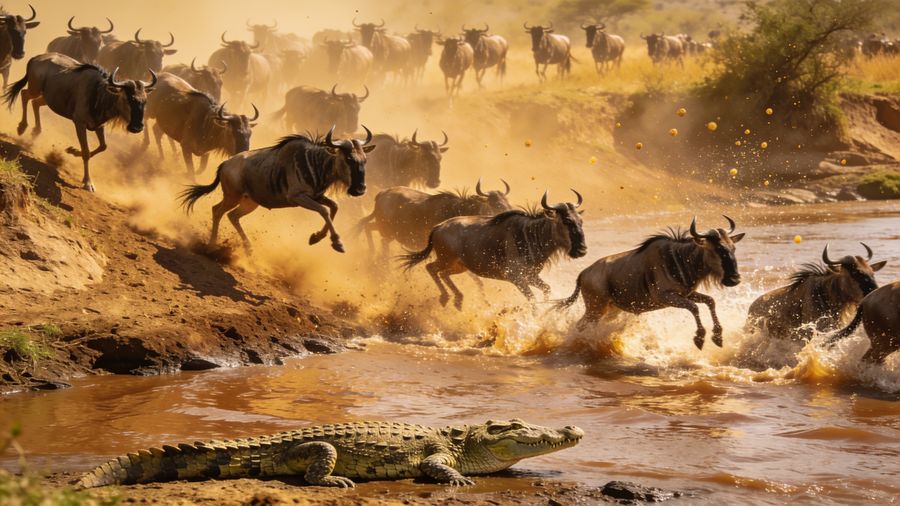
July marks the start of one of the greatest wildlife spectacles on earth. Each year, more than a million wildebeest, along with zebras and gazelles, move in a huge loop between Tanzania’s Serengeti and Kenya’s Masai Mara in search of fresh grass.
From around July, the herds reach the northern Serengeti and begin crossing the Mara River, where they face crocodiles and the current in dramatic, chaotic crossings. Predators follow the herds, so it’s also a brilliant time to see lions, leopards and cheetahs. July falls in the dry season, which means thinner vegetation and better wildlife spotting.
Timing varies from year to year depending on the rains, so a safari that covers a few days in the right area gives you the best chance. This is one trip worth booking six months to a year ahead, as the best camps fill up early. Pack layers, as mornings on game drives are surprisingly cold.
Peru and Machu Picchu
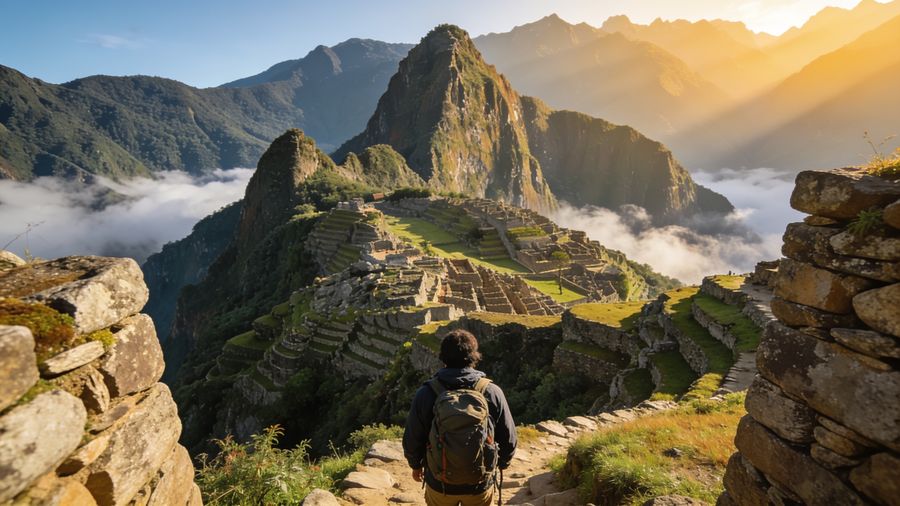
July is in the middle of Peru’s dry season in the Andes, which means clear skies and some of the best conditions of the year for hiking to Machu Picchu. Days are sunny and pleasant, though nights at altitude can get very cold.
The classic Inca Trail is a four-day hike through cloud forest and ancient ruins, ending at the Sun Gate above Machu Picchu. Permits are limited and often sell out months in advance, so book early. Alternatives like the Salkantay trek or the train to Aguas Calientes are great options if permits are gone.
Spend a few days in Cusco before any trek to adjust to the altitude. The city sits at about 3,400 m. Explore the Sacred Valley’s markets and terraces, and if you have time, add Lake Titicaca or Lima’s excellent food scene. Peru also fits nicely into a broader South America trip.
Tips for Travelling in July
July is a fantastic time to travel, but a bit of planning goes a long way.
Book early. Flights out of Australia spike during school holidays, and July is peak season across the northern hemisphere. Booking three to six months ahead usually gets you the best prices and choice, especially for limited-availability experiences like the Inca Trail, Moraine Lake shuttles and safari camps.
Plan for heat. Southern Europe and parts of Asia can be scorching in July. Do your sightseeing early in the morning and late in the afternoon, take a siesta, and choose accommodation with air conditioning.
Think about crowds. Popular spots like Dubrovnik, Positano and Bali’s south coast get very busy. Staying in smaller towns nearby and visiting big sights first thing makes a world of difference. And keep an eye on local festivals. They can make your trip, but they also push up prices.
Staying Connected on Your July Trip
Wherever you end up, staying online makes travel so much easier. You’ll use your phone to book ferries, find your way around unfamiliar towns, translate menus and keep in touch with home, and roaming with an Australian telco can add up quickly.
A travel eSIM from ZenSim is a cheaper and easier option. Install it before you fly and it connects to a local network when you land, so you’re online before you reach the baggage carousel. If you’re crossing borders, regional plans cover multiple countries on one eSIM. Our Europe plan, for example, covers 40 countries and starts at A$9 ($6 USD), so you can go from the Amalfi Coast to the Alps without swapping SIMs.
Make This July One to Remember
Winter at home doesn’t have to mean a winter for you. A quick hop to Bali or Fiji, a summer road trip through the Rockies, a once-in-a-lifetime safari: July opens up some of the best travel experiences on the planet.
Pick a destination that suits your budget and leave, book early and pack for the season. Then swap the heater and the trackies for sunshine, long days and a whole lot of new memories. Your future self, sitting on a beach while everyone at home scrapes ice off their windscreens, will thank you for it.
FAQs
Bali, Fiji and central Vietnam are the closest warm options in July, with dry, sunny weather and short flight times. Further afield, southern Europe, the Mediterranean islands and Canada are in the middle of their summer.
July is Europe's peak summer, so expect long sunny days, lively festivals, higher prices and big crowds at famous sights. Southern Europe can be very hot, so mountain regions like the Alps and cooler coasts like northern Spain and Norway are great alternatives.
Yes. July is in the middle of Bali's dry season, with low humidity, little rain and great surf. It's also one of the busiest months because it lines up with Australian and European school holidays, so book flights and villas early.
The Great Migration usually reaches Kenya's Masai Mara and the northern Serengeti in Tanzania from around July, with dramatic river crossings often peaking from July to September. Timing changes each year with the rains, so a flexible itinerary helps.
As early as you can. July combines Australian school holidays with the European and North American summer break, so flights, hotels and popular tours fill up fast. Booking three to six months ahead usually gets the best prices and choice.
Travel eSIMs you may like:
Written by
Andy Linton
Co-founder of ZenSim, loves a bit of Star Wars.
Andy has been in the telecommunications industry for the better part of 20 years. Somewhat of a super-nerd, Andy is the co-founder of ZenSim and the maestro behind the systems we use to provide our services.

Get amongst it
Join the community
We will reach out when we launch new products, about our sustainability projects, specials, new innovations or maybe even cool sh*t we think is inbox worthy.


