



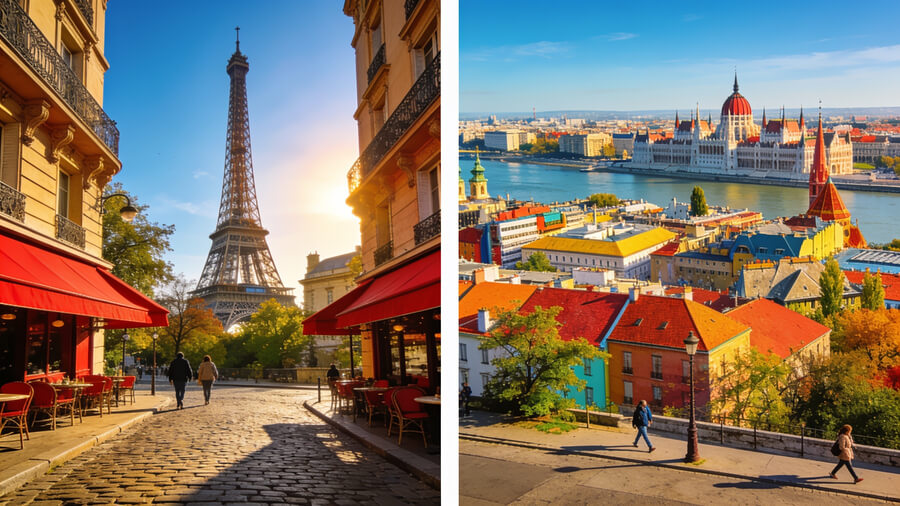
One of the best things about travelling in Europe is all the variety you’ll experience in a relatively compact area. Spain is not like Portugal, just as the UK is not like Ireland, even though these countries are right next to each other. But that’s even more true when we're talking about the divide between Eastern and Western Europe.
Travel eSIMs you may like:

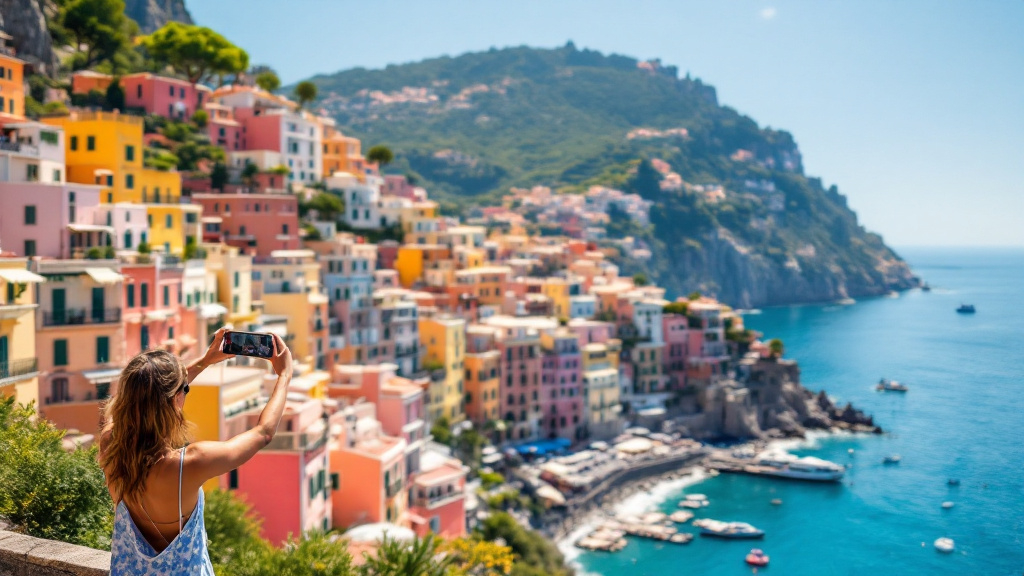
Western Europe tends to get most of the attention. Home to some of the most tourist-visited countries in the world, like France, Spain, and the UK, it’s often what people think of when they start planning a European vacation.
Eastern Europe is a little more off the beaten path. But if you’re the kind of traveller who likes new experiences, that could be exactly what you’re looking for.
Let’s take a look at what each of these regions has to offer, and see which one works best for your travel style.
At a Glance
| Eastern Europe | Western Europe |
|---|---|
| Lower travel costs | More expensive overall |
| Smaller crowds | Major tourist hotspots |
| Excellent value for money | Iconic bucket-list attractions |
| Emerging food and wine scenes | World-famous cuisine |
| Historic cities with fewer tourists | Famous capitals and landmarks |
| Ideal for longer trips | Great for first-time visitors |
Western Europe - Ideal for Beginners
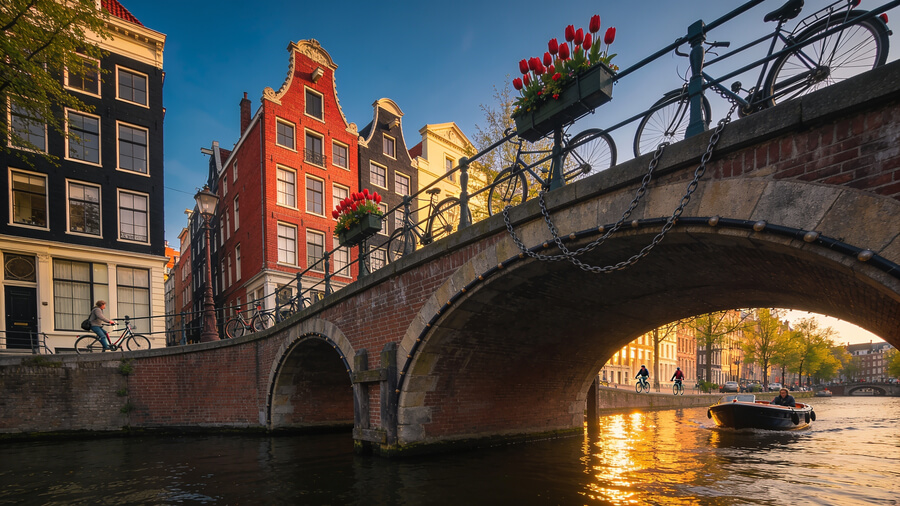
If it’s your first time in Europe, Western Europe might offer the most bang for your buck. That’s because it’s home to the most popular countries and the most iconic tourist attractions on the continent.
If your vision of travelling in Europe means seeing the Eiffel Tower, Notre Dame, Big Ben, the Brandenburg Gates, or the Leaning Tower of Pisa, Western Europe is where you’re going to find them. That by itself is enough to make the West the more popular part of Europe.
But there are other factors that make Western Europe the best place to start, too.
For one thing, you’ll find English more widely spoken in countries like Germany, the Netherlands, France, and Spain than it usually is in Eastern Europe. That makes getting around and mixing with the locals a lot easier.
You’ll also generally find better infrastructure here. As a rule, the countries of Western Europe are wealthier than those in the East, and that means smoother roads, better train networks, and more well-connected airports.
Often, it also means better mobile networks. Before you set out to explore Europe, make sure to get an eSIM from ZenSim. A single plan can cover you for more than 40 countries in Europe, so whether you choose to go East, West, or a combination of both, you can download maps, get translations, access booking confirmations, and generally make travel easier wherever you go.
Basically, Western Europe is like Europe with training wheels. It’s safe, it’s familiar, and it’s exotic enough to be different from home.
Besides, there’s a reason why Western Europe is so popular. This is where you’ll find iconic cities like Paris, Berlin, Rome, Milan, London, Madrid, Amsterdam, and Barcelona. You can experience famous dishes that have become popular around the world like pizza, French pastries, Spanish tapas, and Portuguese seafood.
Eastern Europe - A Bargain for Budget-conscious Travellers
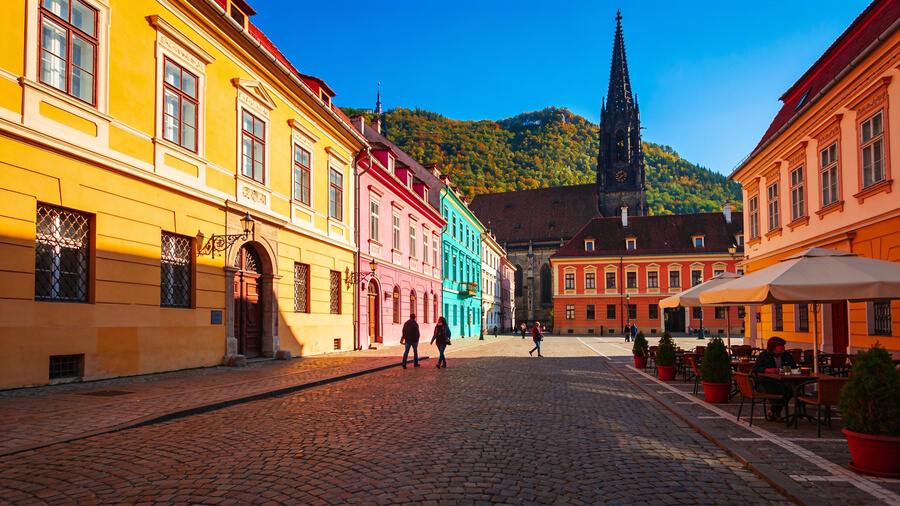
Western Europe tends to get most of the attention. But in the last few decades, Eastern Europe has been getting more love. There are lots of reasons for that, but one you can’t ignore is the price difference.
For example, let’s compare London, one of the most popular cities in Western Europe, with Budapest, one of the highlights of the East:
| Expense | London | Budapest | Difference |
|---|---|---|---|
| Budget hotel (per night, per person) | A$239 ($168 USD) | A$90 ($63 USD) | Budapest 62% cheaper |
| Daily travel budget (average) | A$414/day ($291 USD) | A$187/day ($131 USD) | Budapest 55% cheaper |
| Meal at inexpensive restaurant | A$38 ($27 USD) | A$18 ($12 USD) | Budapest 54% cheaper |
| Three-course meal for two | A$153 ($107 USD) | A$97 ($68 USD) | Budapest 37% cheaper |
| Cappuccino | A$8 ($5 USD) | A$5 ($3 USD) | Budapest 38% cheaper |
| Local beer (0.5L) | A$12 ($9 USD) | A$5 ($3 USD) | Budapest 63% cheaper |
| One-way public transport ticket | A$7 ($5 USD) | A$2 ($2 USD) | Budapest 67% cheaper |
| Monthly transport pass | A$344 ($241 USD) | A$39 ($28 USD) | Budapest 89% cheaper |
In practice, this means a trip to Budapest could cost you half of what you’d spend in London. That means you could go a little more high-end in Budapest for the same price, or spend longer enjoying the city than you would in London.
Or, if you’re on a tight budget, it could be the difference between being able to go at all, or not.
Tourists
I don’t want to get too judgemental. After all, we’re all tourists when we’re visiting somewhere new. But it’s undeniably true that some of the superstar cities of Western Europe are victims of their own popularity.
Places like Paris, Barcelona, and maybe especially Venice are struggling with the numbers of tourists they attract. No one travels to be surrounded by a crowd of other tourists, but in these major cities, that’s what tends to end up happening.
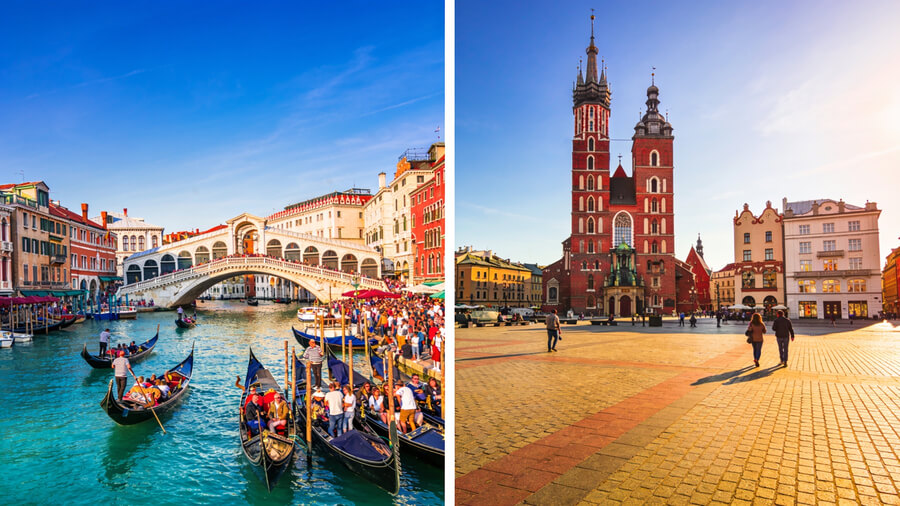
Eastern Europe is getting more popular, but it’s still less touristed than the West. The beautiful city of Kraków in Poland might get around 15 million tourists per year, but Venice gets around 30 million.
Venice is a great example of what’s happening to cities across Western Europe. As tourist numbers climb, the cities become unlivable for locals, who move out. That can leave a city like Venice feeling, at times, almost like a theme park rather than a real place.
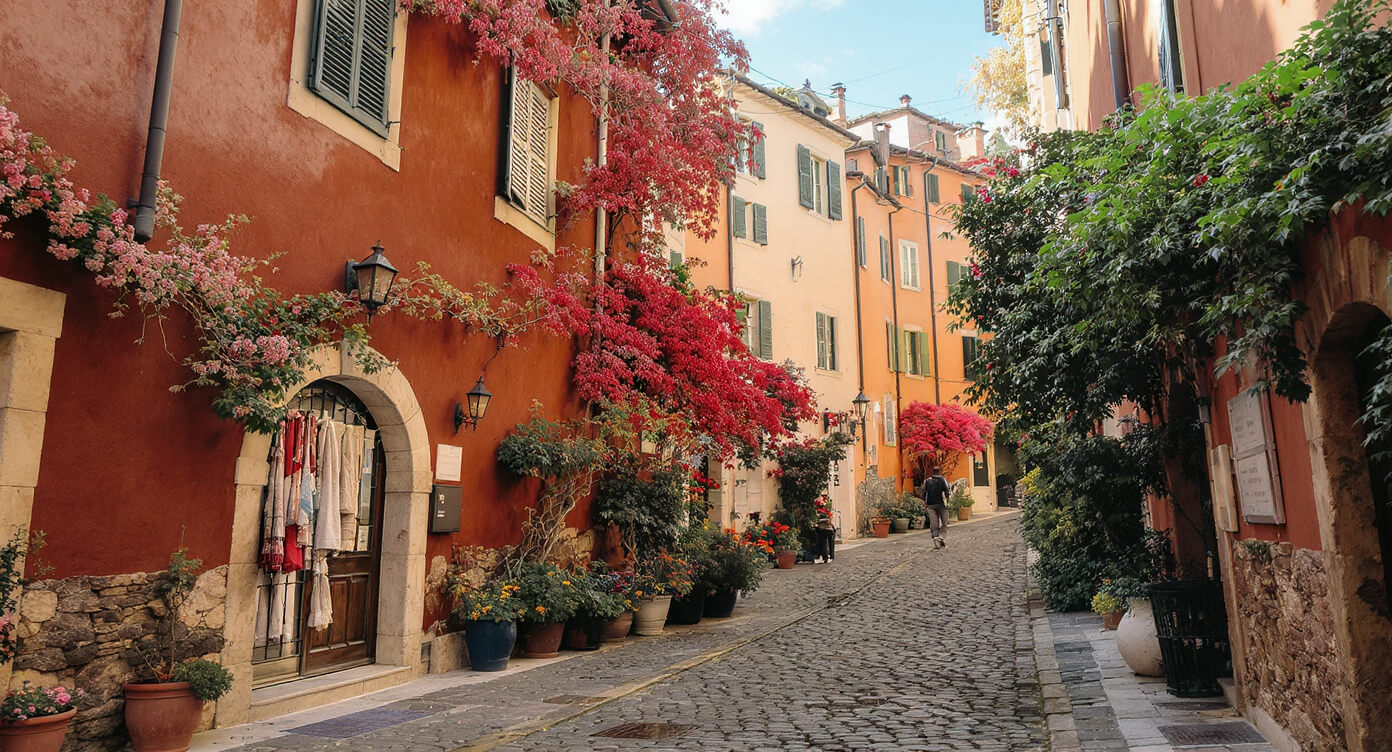
Eastern Europe offers a more authentic experience of local life, almost wherever you go. And if you do stray out of the big cities to some of the smaller towns and the countryside, you’ll find it much easier to get away from the crowds.
Safety
Many parts of Eastern Europe have been through a lot. For example, a lot of countries in the East spent much of the 20th century dominated by the Soviet Union, which meant they were closed off to tourists and foreign investment and run by various flavours of totalitarian governments.
That hasn’t been true for decades now, but it’s given some places a reputation for danger that has proven hard to shake.
Unfortunately, it’s also true that some countries in Eastern Europe struggle with corruption. That’s true in the West too, but Soviet rule has left some Eastern countries with a legacy of patronage and cronyism that continues to hold these places back.
In terms of personal safety while you travel, though, both East and West are very safe. The worst trouble you’re most likely to experience is pickpockets and scams, and in some cases, that happens more in the more touristed cities of Western Europe than it does in the East.
It’s worth pointing out, though, that cultures vary a lot from country to country, and from West to East. For example, open displays of homophobia are pretty rare these days in countries like the Netherlands or the UK, but LGBT travellers do sometimes have unpleasant experiences in places like Poland.
Chances are, you’ll be perfectly safe whether you go East or West. But wherever you go, the normal precautions apply. Keep an eye on your valuables, don’t trust people who approach you in the street, and exercise common sense.
Where Should You Go?
Western Europe has some of the most famous locations in the world, in cities like Paris, London, Milan, and Amsterdam. Eastern Europe has beautiful cities like Kraków, Dubrovnik, Brasov, and Prague.
Western Europe has excellent infrastructure, a high level of English speakers, and the amenities of a wealthy region. Eastern Europe has lower prices, fewer tourist crowds, and a chance to explore off the beaten path.
Both East and West are well worth exploring, and which one you prefer will depend on how you like to spend your time. The West might be the best option for your first European trip, but if you’re adventurous or you just want to save some money, Eastern Europe isn’t exactly short on great experiences.
Travelling in Europe is easier than ever thanks to ZenSim. Download an eSIM before you go, and you’ll be covered for multiple countries in East, West, and Central Europe, so that you won’t have to worry about roaming charges.
Travel eSIMs you may like:
Written by
Ryan Frawley
Travel writer and serial border crosser.
I've visited more than 30 countries so far, which sounds impressive until you see how long my travel wish list still is. When I'm not chasing cheap flights, figuring out eSIMs, or getting lost in places I can't properly pronounce, I'm usually writing about travel, remote work, and how to make both a little easier.
If you've ever searched "Can I work remotely from there?" at 2 a.m., we're probably on the same wavelength.
Get amongst it
Join the community
We will reach out when we launch new products, about our sustainability projects, specials, new innovations or maybe even cool sh*t we think is inbox worthy.


