








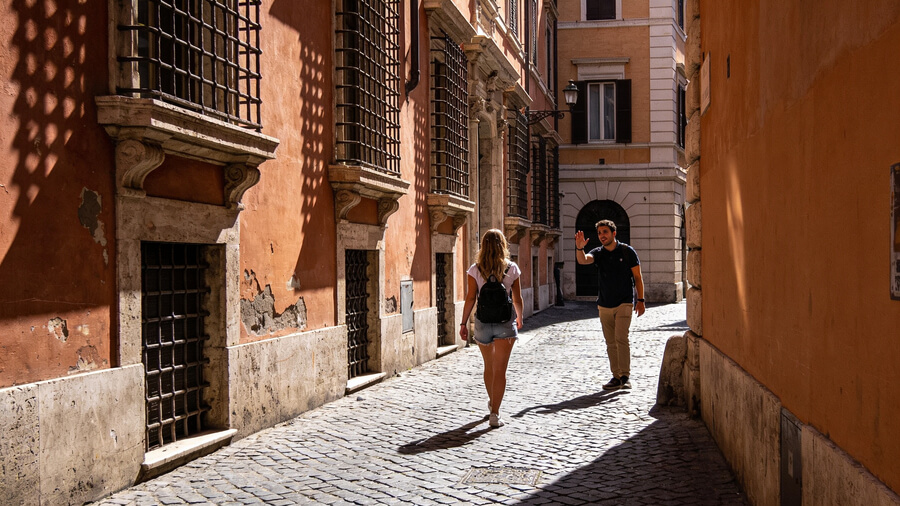
Rome is one of the most popular cities in the world with tourists, and it’s not hard to see why. Great food, excellent transportation links, and an incredible wealth of art and history make the Eternal City like no other place on earth.
Travel eSIMs you may like:


Speaking personally, Rome is one of my all-time favourite cities to explore, and no matter how many times I go back, I never get tired of it.
But Rome’s popularity with tourists is a problem, and not just for anyone looking for a cheap hotel room. Anywhere with a high tourist population is going to attract scammers and thieves, and Rome is no exception.
Don’t let that put you off a truly amazing travel experience. Once you know what to look for, most scams in Rome are easy to avoid. Here are some of the most common scams, and how to avoid them.
The Friendship Bracelet Scam
I’ve been going to Rome for around twenty years, and in that time, I’ve seen this scam again and again. It’s a classic, and you’ll see it too, around most of the major tourist attractions in the cities. That includes the Vatican, the Roman Forum, and especially the Colosseum.
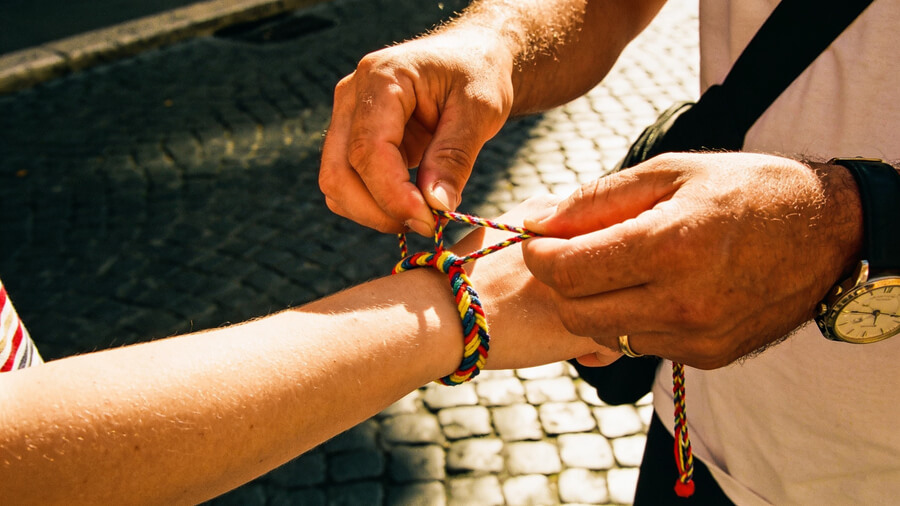
It starts with a man approaching you, smiling and acting friendly. Probably he’ll ask you where you’re from, and give you a high five or a fist bump. Then, he’ll tie a friendship bracelet around your wrist or just put it in your hand. It’s a gift, he’ll say. A symbol of friendship.
But it’s not a gift. Pretty soon, he’ll ask you for money. And if you turn him down, he may get aggressive. Other bracelet vendors - his friends - may join in, and you’ll find yourself in a very unpleasant situation quite quickly.
Another twist on this is the guys selling roses. They especially like to target couples. They’ll give you a free “rose”, then demand payment.
How to avoid it:
- Do not accept anything handed to you by strangers.
- Keep walking and firmly say "No, grazie."
- Avoid engaging in conversation once the interaction begins. Keep saying no and walk away, and they will move on to another target.
Fake Petition Scams
This is another popular scam that can look surprisingly legitimate.
Someone may approach you with a clipboard, or even have a little folding table set up. They will explain that they are signing a petition for some worthy cause. Charities, disability organizations, keeping kids off drugs, or something that no one would object to.
But while you’re reading the petition or signing it, an accomplice will come along and try to pick your pockets. Either that, or once you sign the petition, they will try to pressure you into making a cash donation.
How to avoid it:
- Politely decline and keep moving.
- Never hand over money or personal information to street petitioners.
- Be especially cautious near major attractions and train stations.
Pickpockets on Public Transport
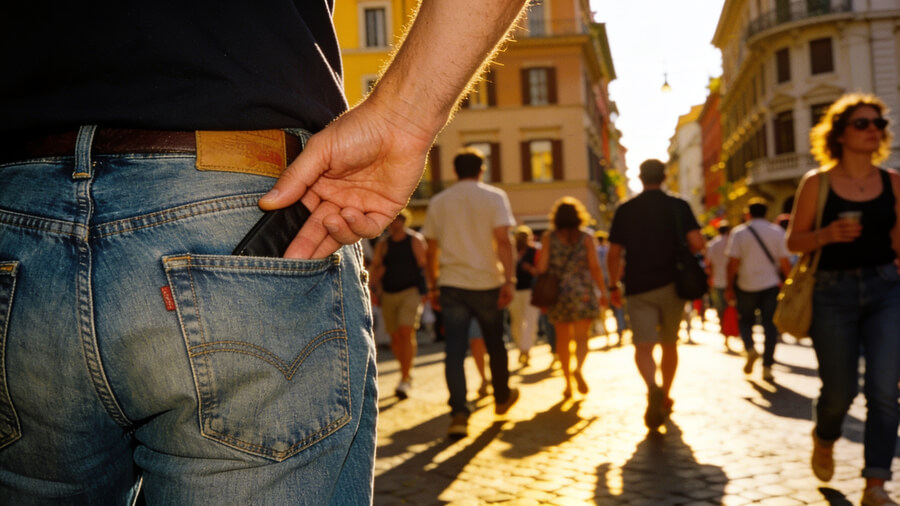
Pickpocketing is common in Rome. So common that you’ll see warnings everywhere. The Metro stations and Termini train station are especially bad, but tourist attractions also draw pickpockets.
These professional thieves are good at what they do. Often, they can get their hand into your pocket and relieve you of your phone, wallet, or passport without you even noticing. Sometimes, they work in groups, so that one person can distract you while another steals your stuff.
Plus, sometimes pickpockets work with the signs warning against them. Many times, people will see a sign warning of pickpockets and subconsciously put their hands to their pockets, checking they still have their valuables. This tells pickpockets where you keep your precious things.
How to avoid it:
- Use zippered bags worn in front of your body.
- Keep valuables out of back pockets.
- Be cautious when people crowd unusually close to you.
- Avoid displaying expensive phones or cameras unnecessarily.
Taxi Overcharging
This one has happened to me.
Licensed taxis in Rome are usually reliable, but some drivers are less honest than others. Once they hear your accent or see your suitcases, they may see you as an easy target. They will charge you an inflated fare, take unnecessary detours, or claim that card machines are broken so they can get paid in cash.
This is especially common at the airport. When you’ve just got off a long flight, you’re not at your best, and probably not in the mood to haggle. Be aware, though, that taxi rates from both of Rome’s airports are fixed by the government, and are written on the side of every cab. It’s a fixed charge to go from either Fiumicino or Ciampino airports into the center of Rome, so don’t pay a penny more.
If you don’t want to be bothered with that, consider using a rideshare app instead. With an eSIM from ZenSim, you’ll be connected to a local network the moment you land, so you can get online and make things easy on yourself.
How to avoid it:
- Use official white taxis with taxi identification numbers.
- Confirm the approximate fare before departure.
- Use ride-hailing apps where available.
- Insist on a receipt if something seems wrong.
Restaurant Menu Scams
Food in Rome can be fantastic, or it can be terrible. There’s nothing quite like the experience of eating in a true Italian restaurant, but it’s easy to find lower-quality and less honest places, especially in the major tourist areas.
Some unscrupulous restaurateurs will advertise attractive prices, then hit tourists with unexpected charges they didn’t agree to. Things like inflated bread charges, expensive cover charges, and additional fees for outdoor seating are common.
At the same time, these practices aren’t a million miles away from regular Italian hospitality standards. For example, when buying coffee at a café, you will be charged more for using a table than you would if you simply drank it at the counter. Likewise, almost every Italian restaurant includes a coperto, a per-person cover charge that is usually a euro or two for every diner. This is a mandatory part of the bill, but it shouldn’t cost very much.
By law, a restaurant must tell you how much the coperto is before you sit down and dine. Most restaurants are honest, but it's always wise to check the menu carefully.
How to avoid it:
- Review prices before ordering.
- Ask whether service is included.
- Check online reviews.
- Avoid restaurants with aggressive street promoters (that’s how you get bad food anyway).
Fake Tour Guides
For many visitors, a trip to Rome is something they’ve dreamed of for years. They want to see all the big attractions like the Colosseum, the Vatican Museums, and the Trevi Fountain. In all these locations, you’ll find unauthorized guides approaching visitors and offering skip-the-line access and private tours.
Sometimes the tours are wildly overpriced. Sometimes they don’t exist at all, and the scammer will simply run off with your money.
How to avoid it:
- Book through reputable operators.
- Purchase tickets through official channels.
- Verify credentials before paying for a tour.
The "Dropped Item" Distraction
Someone drops something in front of you. A ring, wallet, bracelet, or anything else. They’ll pick it up and say it belongs to you.
You’ll deny it. But once they have your attention, they may attempt to sell the item, or give you a sad story to explain why you should give them some money. Sometimes, they may simply be distracting you so an accomplice can pick your pockets.
An even wilder variation on this is the tossed baby. A woman carrying a baby will suddenly trip, sending the child flying toward you. Most likely, you’ll panic and try to catch the baby. By the time you realize it’s actually a doll, they will have already emptied your pockets.
How to avoid it:
- Ignore the item and continue walking.
- Be suspicious of unsolicited interactions involving found objects.
ATM and Card Skimming Scams
A more sophisticated scam targets bank machines. Criminals may install skimming devices on poorly monitored ATMs, or simply look over your shoulder while you enter your PIN.
How to avoid it:
- Use ATMs attached to banks.
- Cover the keypad when entering your PIN.
- Check machines for signs of tampering.
- Monitor your accounts regularly.
Fake Accommodation Listings
One of the cruelest scams in Rome to fall victim to is the fake accommodation listing. You may think you’ve found the perfect apartment at a reasonable price, but remember: if it seems too good to be true, it probably is.
Warning signs include:
- Requests for payment outside the booking platform.
- Prices far below market rates.
- Refusal to communicate through official channels.
How to avoid it:
- Book through established platforms.
- Read recent reviews carefully.
- Never send money via wire transfer to unknown individuals.
Street Vendors and Counterfeit Goods
Street vendors are everywhere. Near major landmarks, you're sure to encounter vendors selling souvenirs, electronics, bags, and accessories.
Some products are counterfeit, while others may be poor quality or significantly overpriced.
How to avoid it:
- Purchase souvenirs from established shops.
- Be skeptical of "luxury" goods sold on the street.
- Expect aggressive negotiation tactics.
"Helpful" Ticket Machine Assistants
This is another devious one.
At train stations and Metro stops, someone may offer you unsolicited assistance with ticket machines.
While some are genuinely trying to help, others may demand money afterward or attempt to confuse travelers into paying extra.
These can look surprisingly official. Some scammers create fake ID cards that they use to make it seem like they work for the railway to get you to trust them. Then, they may tell you that the machine is broken, but that they can give you a ticket in exchange for cash.
How to avoid it:
- Use official staff if assistance is needed.
- Politely refuse help from strangers.
- Take your time when purchasing tickets.
Staying Connected Can Help Prevent Scams
Often, falling victim to a scam comes from not having the right information at hand. Mobile data can help you check reviews, confirm bookings, compare taxi fares, access maps, and contact your bank if a payment issue arises.
Using an eSIM provider like ZenSim before you arrive in Italy means you can access essential travel apps immediately after landing without needing to hunt for a local SIM card. You can check taxi fares, use ride-hailing apps, check restaurant reviews, and inform yourself more easily when you can go online.
What To Do If You Get Scammed
If you believe you've been targeted:
- Move to a safe location.
- Contact your bank immediately if cards are involved.
- Report thefts to local police.
- Cancel compromised cards.
- Keep copies of receipts and documentation.
- Contact your travel insurance provider if applicable.
Avoiding Scams in Rome
Hopefully, this article hasn’t put you off, because Rome is a truly incredible place to visit. You just need to keep your wits about you. Beware of anyone offering to help you or be your friend while out on the streets. Walk with purpose and look like you know where you’re going.
That alone is enough to protect you from most of the scams you’ll encounter in this beautiful city.
FAQs
Yes. Rome is generally safe, but scams are common. Stay alert for pickpockets and common tourist scams in busy areas.
Pickpocketing and distraction thefts are among the most frequently reported issues. Friendship bracelet scams are also extremely common, especially at major tourist attractions.
Most licensed taxis are safe, though tourists should be aware of occasional overcharging. Remember that standard fares apply from both airports to the city centre, and confirm with the driver that this is what you will be paying before you go anywhere.
A small amount of cash is useful, but carrying large amounts increases your risk if targeted by thieves. Credit cards are accepted just about everywhere, so you don't need to carry much cash with you.
Most crime in the tourist areas of Rome is petty theft, pickpocketing, and scams. Violent crime remains very rare. With that said, some areas can get a little dicey at night, especially around Termini train station. Like with any big city, stay aware of your surroundings.
Travel eSIMs you may like:
Written by
Ryan Frawley
Travel writer and serial border crosser.
I've visited more than 30 countries so far, which sounds impressive until you see how long my travel wish list still is. When I'm not chasing cheap flights, figuring out eSIMs, or getting lost in places I can't properly pronounce, I'm usually writing about travel, remote work, and how to make both a little easier.
If you've ever searched "Can I work remotely from there?" at 2 a.m., we're probably on the same wavelength.

Get amongst it
Join the community
We will reach out when we launch new products, about our sustainability projects, specials, new innovations or maybe even cool sh*t we think is inbox worthy.


