



A Eurotrip doesn't exactly sound like a budget holiday, especially for us Down Under. Getting there is half the battle (especially if you're going in the European summer months) and you'll be competing against US travellers with deep pockets for the touristy areas.
Travel eSIMs you may like:


But despite its bad rap, Europe doesn't have to drain your savings. I've spent weeks wandering through Prague's cobblestone streets, soaking in Budapest's thermal baths, and picnicking under the Eiffel Tower while on a tight budget.
The trick is knowing where to go and when. While crowds queue for overpriced attractions, I've discovered hidden art villages in Slovenia, eaten incredible pasta in Rome for under €10, and watched the sunrise near Bavarian castles (without paying for every ticket going).
This guide shares exactly how I do it, covering the best places to visit in Europe for authentic experiences without premium price tags. For each spot, I've included a rough daily budget for one person staying in a hostel dorm, eating cheaply and using public transport. These are ballpark figures converted at about A$1.60 to the euro (October 2026), so treat them as a starting point rather than gospel. I still seriously believe that Europe in 2026 rewards smart travellers. You just need to know where to look.
Western Europe on a Budget
Okay, so London rents are out of the picture. But don't write off Western Europe just because it has a reputation for being expensive. With a little savvy, you can experience world-famous cities without breaking the bank.
I'll be honest, though. Paris, Rome and Barcelona are never going to be as cheap as Kraków or Budapest. What they are is doable on a budget, as long as you play the game. That means sleeping in dorms or out-of-centre guesthouses, eating your main meal at lunchtime, picnicking more than you'd like to admit, and planning your sightseeing around free days and free views. A lot of travellers I meet do a few nights in the big-name cities and then stretch their money further east. It's a strategy I'd recommend.
Barcelona, Spain: Beach Life Meets Historic Buildings

Barcelona gives you the best of both worlds: beautiful architecture and stunning beaches. The city's narrow winding streets in the Gothic Quarter are perfect for wandering and soaking up the culture. You'll stumble across street performers, artists, and cosy cafés around every corner.
The beach is completely free, of course, and it's so close you can swim in the morning and explore Gaudí's masterpieces in the afternoon. The big Gaudí sights like the Sagrada Família and Park Güell need paid tickets, so pick one to go inside and admire the rest from the street. Casa Batlló and La Pedrera look incredible from the footpath on Passeig de Gràcia. For a free view over the whole city, hike up to the Bunkers del Carmel at sunset with a few snacks.
Food-wise, La Boquería is worth a wander, but it's touristy and prices reflect that. Locals head to markets like Santa Caterina or Sant Antoni, and the best value of all is the menú del día, a weekday set lunch with a starter, main, dessert and drink. Many of the city's municipal museums are free on Sunday afternoons, and in summer and during the La Mercè festival in September, free outdoor concerts pop up all over town. A 10-trip T-casual card makes the metro much cheaper than buying singles.
Rough daily budget: €60-90 (about A$95-145).
Paris, France: The Eiffel Tower and More
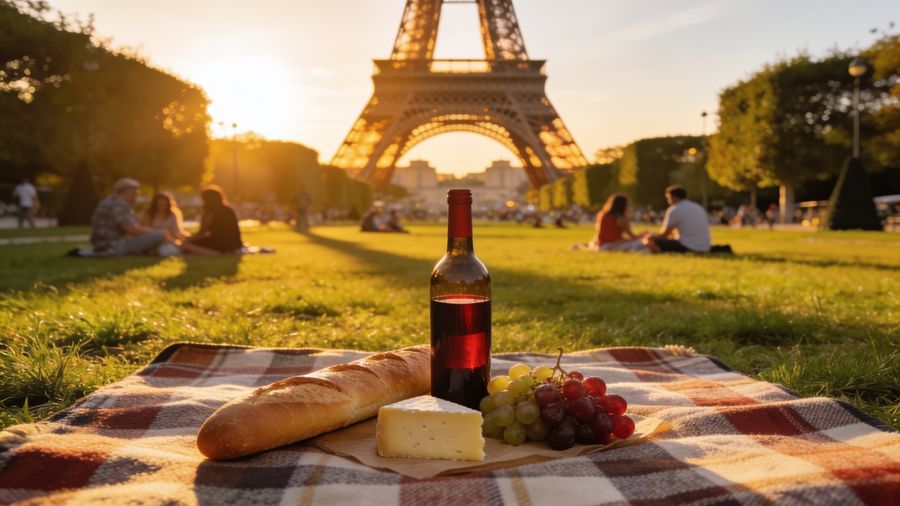
I know Paris seems pretty expensive, and it can be if you don't know the tricks and aren't willing to compromise a little. The Eiffel Tower is a wonderfully romantic backdrop for a picnic. Just grab a bottle of wine and some cheese from a local market or supermarket and lounge on the Champ de Mars. People-watching in Paris is an underrated art form, and it costs nothing but time. You can skip the entrance fee and soak up the atmosphere like a true local.
If you love art, several big museums, including the Musée d'Orsay, the Orangerie and the Musée Picasso, are free on the first Sunday of the month, though you'll usually need to book a slot online. The Louvre is free on the evening of the first Friday of each month, except in July and August. Notre-Dame and Sacré-Cœur are free to enter, and so are the permanent collections at the Petit Palais and Musée Carnavalet.
When you're ready for lunch, skip the tourist restaurants and head to a boulangerie, where a proper jambon-beurre sandwich usually costs around €4-6. Single metro tickets cost €2.55, so walk as much as you can and save the metro for longer hops. Dorm beds are the biggest cost here, so book early. For a deeper dive, check out my colleague's backpacker's guide to Paris.
Rough daily budget: €70-110 (about A$110-175).
Rome, Italy: Living History on Every Street

Rome is like an open-air museum where you can walk through 2,000 years of history. Countless piazzas are free to explore, and the city's nasoni (those little street fountains) mean you'll never need to buy bottled water. A couple of the classics now come with small fees, though. Since February 2026, tourists pay €2 to get close to the Trevi Fountain basin (the view from the square above is still free), and the Pantheon charges a modest entry fee too.
Vatican City deserves a visit. St. Peter's Basilica is free to enter if you don't mind the security queue, so get there early. The Vatican Museums are free on the last Sunday of the month, but expect a crowd. Italy's state museums and archaeological sites, including the Colosseum area, also join the free first Sunday scheme, and those tickets get snapped up fast.
For cheap eats, pizza al taglio (pizza by the slice, paid by weight) and supplì (fried rice balls) will keep you going for a few euros, and a plate of cacio e pepe at a neighbourhood trattoria in Testaccio or Pigneto costs far less than near the Spanish Steps. Many of the walking tours are tip-based (just remember to tip your guide!). I love a good walking tour because it's an immersive way to really take in all those layers of history. If you're a history buff, Rome is one of the best places to visit in Europe.
Rough daily budget: €60-90 (about A$95-145).
Eastern Europe's Under-the-Radar Favourites
Eastern Europe is still wildly underrated. It's cheap, packed with charm, and doesn't get the huge crowds that hot spots like Paris see.
This is where your budget really starts to stretch. A hostel dorm in Kraków or Budapest often costs about half of what you'd pay in Paris, a hearty sit-down meal can come in under €10, and a beer at a local bar costs a fraction of the Western European price. Public transport is cheap and efficient, and long-distance buses and trains link the big cities for less than a night out in Sydney. Poland and Hungary still use their own currencies (the złoty and the forint), so pay in local currency when your card gives you the choice. Letting the machine convert to Aussie dollars almost always gives you a worse rate.
Kraków, Poland: Old Town Magic
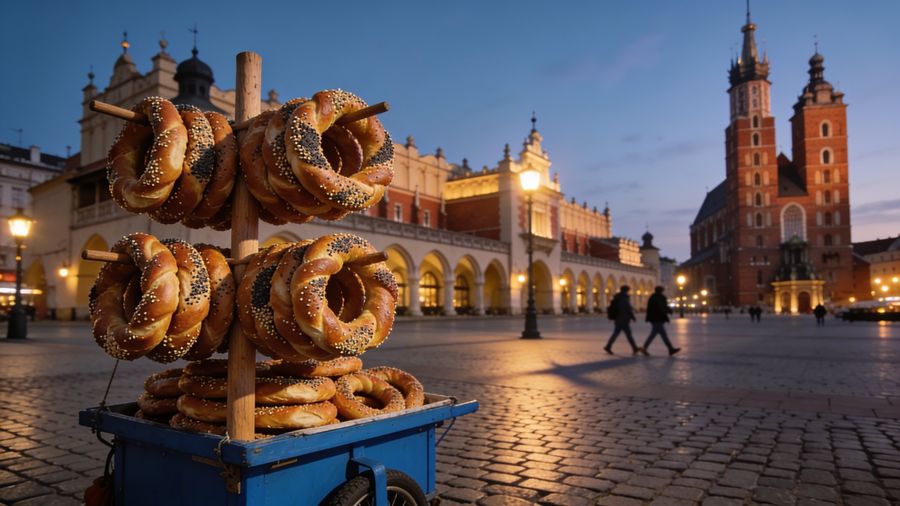
Kraków's Old Town is a UNESCO World Heritage site that feels like you're stepping into a fairytale. The cobbled streets, medieval buildings, and enormous market square create a storybook setting that's like none other in Europe.
It's also surprisingly affordable. My favourite budget hack is the bar mleczny (milk bar), a no-frills canteen left over from the communist era where a plate of pierogi or a bowl of soup costs a few euros. Obwarzanki, the city's ring-shaped bread, are sold from street carts for pocket change. Wawel Castle grounds are free to wander, and some of its exhibitions have free admission days, so check the schedule before you go. The Jewish Quarter of Kazimierz is full of cheap cafés and bars, and free walking tours cover both the Old Town and Kazimierz.
Many visitors also make the trip to the Auschwitz-Birkenau Memorial. Individual entry is free but must be booked online in advance, while guided tours cost extra. While Poland has become more popular in recent years, it still has great value for budget travellers.
Rough daily budget: €40-60 (about A$65-95).
Budapest, Hungary: Thermal Baths and Stunning Views

Budapest has jaw-dropping buildings and unique experiences like the city's famous thermal baths. The Széchenyi Baths are the icon, but let's be honest, they're not cheap anymore, with a weekday ticket now costing around 13,200 HUF (roughly €34). It's still worth it once. I mean, you soak in hot springs while snow falls around you? Sign me up. But if you want to bathe on a budget, Lukács Baths costs about half the price, and smaller local baths like Dandár are cheaper again.
The city straddles the Danube River, creating breathtaking views from both the Buda and Pest sides. The lower terraces of Fisherman's Bastion are free (you only pay for the upper turrets), and the walk up Gellért Hill is free and arguably has the better view. The ruin bars in the Jewish Quarter, like Szimpla Kert, are a nightlife experience unlike any other city in the world, and drinks are cheap by European standards.
Grab lángos (fried dough topped with sour cream and cheese) at the Great Market Hall, and pick up a 24-hour or 72-hour travelcard if you're planning to use the trams a lot. Tram 2 along the river is basically a sightseeing tour for the price of a ticket. Budapest is definitely one of Europe's most beautiful cities, and it won't burn a hole in your pocket.
Rough daily budget: €45-70 (about A$70-110).
Ljubljana, Slovenia: An Underrated Fairytale Getaway
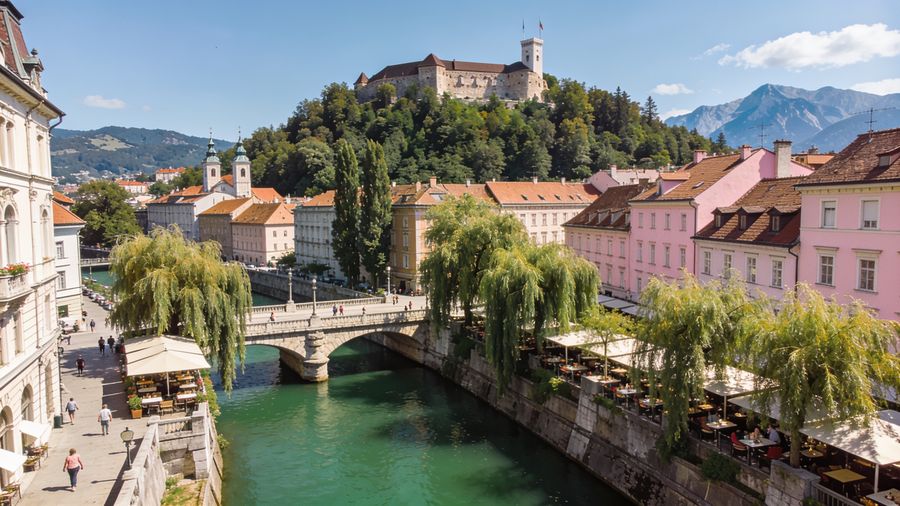
Ljubljana might be small, but it is packed with awesome activities. The pedestrian-only city centre sits alongside a river lined with cafés and restaurants, while the castle perched on the hill provides remarkable views over the surrounding mountains. You can walk up to the castle for free instead of taking the funicular, and the courtyard and grounds don't cost a thing.
The city is compact enough that you'll barely need public transport, and Tivoli Park is a lovely spot for a picnic. For cheap eats, look for a daily lunch menu (dnevno kosilo) at local restaurants, or try burek from a bakery. On Fridays from spring to autumn, the Odprta Kuhna open-air food market brings dozens of food stalls to the city centre, and it's great for sampling Slovenian dishes without committing to a full restaurant meal.
This underrated spot is an ideal home base for day trips to Lake Bled or Triglav National Park. Buses to Bled leave regularly and take around an hour and a bit. The town has a contemporary style mixed with old-world charm that makes you feel like you've discovered a hidden fantasyland.
Rough daily budget: €50-75 (about A$80-120).
Central Europe Must-Sees
Central Europe has some of the best iconic sights at budget-friendly prices if you know where to look.
Germany and Austria sit in the middle of the price range. They're cheaper than Paris or London but noticeably pricier than Prague or Budapest. The big win here is how well everything is connected. Trains, regional buses and long-distance coaches link almost every town, so you can base yourself somewhere affordable and day trip to the expensive places. Supermarkets like Aldi and Lidl (yes, the same ones) are everywhere, and their bakery sections are a lifesaver for breakfast and picnic lunches. Water fountains and refillable bottles will save you a surprising amount over a few weeks, too. If you're thinking of doing this region by train, our Eurail and Interrail pass guide runs the numbers.
Berlin, Germany: The Wall and Creative Energy
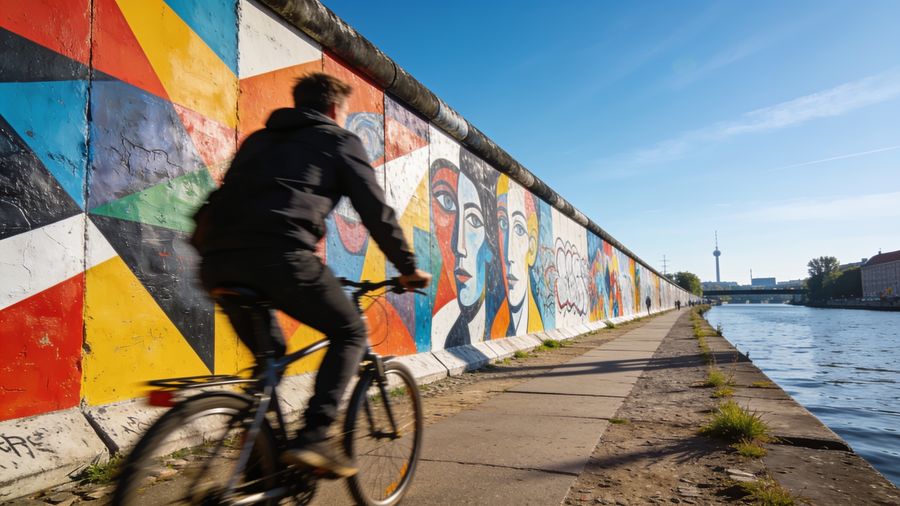
Berlin is one of those cities that gets under your skin. The remnants of the historic Berlin Wall tell vibrant stories of living history, while the city's street art scene and creative energy bring out a youthful, modern feel.
Plenty of Berlin's best sights are free. The East Side Gallery, the Berlin Wall Memorial on Bernauer Strasse, the Holocaust Memorial and the Reichstag dome (book a free slot online in advance) won't cost you a cent. Tempelhofer Feld, the old airport turned giant park, is perfect for a cheap afternoon with a picnic and a borrowed bike.
The city serves as a central point for European travel, with excellent transport connections and a thriving hostel scene. You can eat a currywurst or a döner for a few euros, explore world-class museums on a budget, and enjoy a legendary nightlife that's easy on the wallet compared to other capitals. Buy a day ticket or 7-day ticket for the U-Bahn and S-Bahn if you plan to move around a lot, and always validate it before you board.
Rough daily budget: €55-85 (about A$90-135).
Prague, Czech Republic: Old World Charm
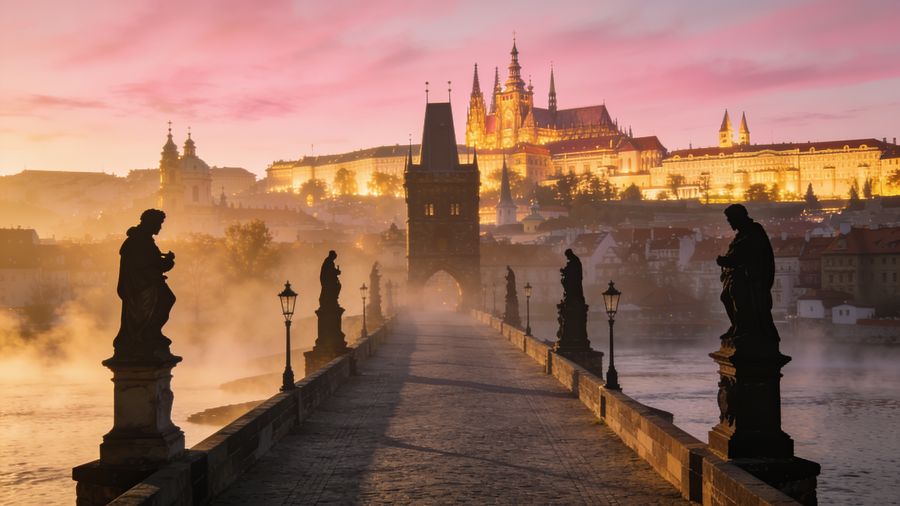
Personally, Prague is one of my favourite cities in the world. Prague's Old Town feels like a movie set, with cobbled streets, the astronomical clock, and St. Vitus Cathedral creating one of Europe's most stunning city centres. Prague is surprisingly affordable, given its tremendous beauty.
The beer is famously cheap, the food is hearty and affordable, and the historic centre, which came through WWII largely intact, is breathtaking. Prague is historical eye candy without the price tag of similar cities in Western Europe. The Prague Castle grounds are free to walk around (you only pay to go inside certain buildings), Charles Bridge is best at sunrise before the crowds arrive, and Vyšehrad fortress has free views and far fewer tourists. Letná Park's beer garden is the place for a cheap pint with a view.
Avoid restaurants on Old Town Square, where prices are inflated, and look for a polední menu (lunch menu) a few streets back. A 24-hour or 72-hour transport ticket covers trams, metro and buses. Just make sure you pack comfortable walking shoes. Even with the proper footwear, my feet were feeling the cobblestones after just a few days.
Rough daily budget: €45-70 (about A$70-110).
Neuschwanstein Castle, Germany: Real-Life Disney Magic
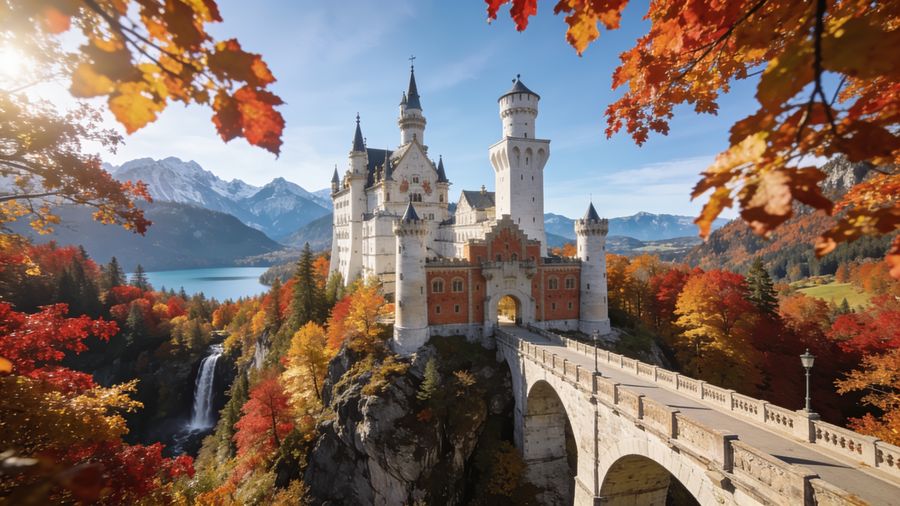
Neuschwanstein Castle sits nestled in the Bavarian mountains like something straight out of a fairytale. Tickets cost €21 for adults (plus a €2.50 booking fee online), and under-18s get in free. If you want to see the neighbouring Hohenschwangau Castle too, there's a Königsschlösser combination ticket that covers both.
But don't worry if that's a little out of your price range. The best view of the castle is from Marienbrücke (Mary's Bridge), and that's free, although it sometimes closes in winter for safety. The surrounding area also has amazing hiking, whimsical villages, and snow-capped mountains. Walk up to the castle instead of paying for the shuttle bus or horse-drawn carriage. The hike up is worth it for the views alone.
The cheapest way to get here from Munich is by regional train to Füssen (about two hours) and then a local bus. Look into the Bayern-Ticket, a regional day pass that gets cheaper per person when you share it with a group. The storybook villages around the castle feel like they're frozen in time, and this bucket list destination shows that some of Europe's most famous landmarks are accessible even on tight budgets.
Southern Europe for Sun and Culture
Heading south means more sunshine, flavour-packed cuisine, and usually more bang for your buck.
Southern Europe is where your budget gets a huge helping hand from the weather. When it's warm, you can spend whole days at the beach, picnic in parks, and eat your main meal at lunch when set menus are cheapest. The catch is that July and August are peak season, when accommodation prices spike and some spots get uncomfortably crowded and hot. If you can swing a trip in May, June, September or early October, you'll still get swimmable water in most places but far better prices. Ferries, regional buses and cheap flights make it easy to hop around, so it pays to stay flexible.
Lisbon, Portugal: Hills, Trams, and Incredible Cuisine

Lisbon has beautiful beaches nearby, fantastic food at low prices, and a capital made up of a collection of charming neighbourhoods. Tram 28 is both a transport and a sightseeing tour, while the city's miradouros (viewpoints) give visitors majestic views for free.
The culinary scene is delectable, with fresh seafood, pastéis de nata, and regional wines that won't break your budget. A custard tart and an espresso still cost less than a coffee back home, and tascas (small family-run restaurants) serve a prato do dia (dish of the day) at very fair prices. While more people are travelling to Portugal, it still has better value than most Western European destinations.
Load a rechargeable Navegante card with credit for trams, buses and the metro, and take the train to the beaches at Cascais or Carcavelos for a cheap day out. Plus, the city's hills provide constant exercise, so you'll work off all that delicious Portuguese cuisine while exploring narrow, winding streets and discovering local corners. For more ideas, check out our guide to the top things to do in Lisbon.
Rough daily budget: €55-80 (about A$90-130).
Athens & the Greek Islands: Ancient Ruins and Island Life
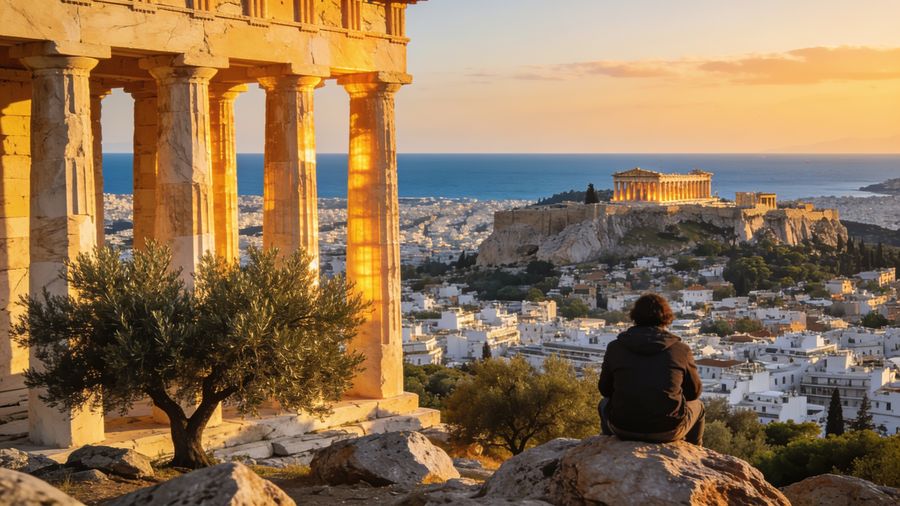
After touring the ancient historic sites of Greece, you can hop over to the serene islands for a little relaxation. I won't pretend the Acropolis is cheap anymore, as a standard ticket is now €30. But there are free days, including the first and third Sundays of the month from November to March, and smaller sites like the Ancient Agora and Kerameikos cost less and are far less crowded. The views of the Acropolis from Filopappou Hill and Areopagus Hill are free.
Ferries from Piraeus to nearby islands like Aegina are surprisingly affordable, and island hopping is even cheaper when you choose smaller, less touristy destinations and travel during the off-season. Deck-class tickets on slower ferries are cheaper than the fast boats, and booking ahead in summer helps.
Many of the islands work great for tight budgets, with cheap regional food and crystal clear waters that rival any expensive resort. Street souvlaki and gyros cost just a few euros, and the warm residents make you feel like you're a part of the family.
Rough daily budget: €50-80 (about A$80-130).
Dubrovnik, Croatia: Crystal Waters and Game of Thrones Fame
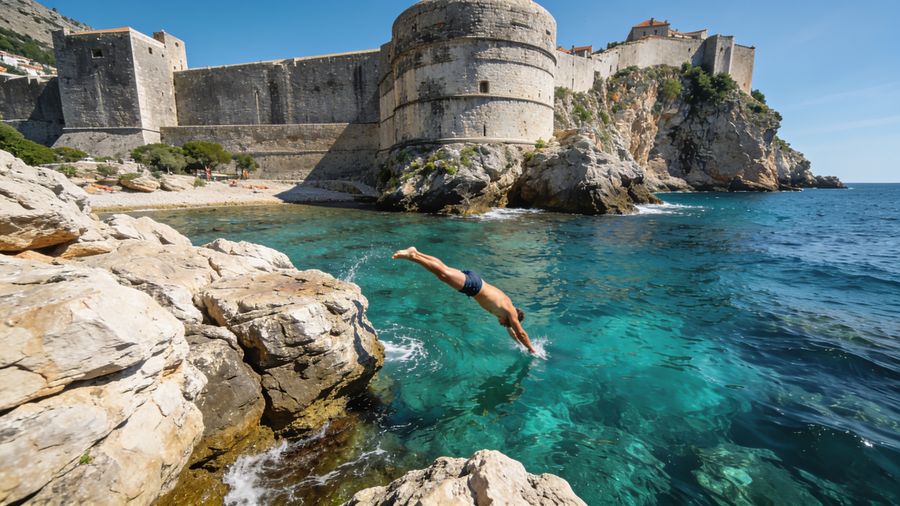
You've probably seen Dubrovnik's city walls thanks to Game of Thrones, but the real magic isn't on screen. Here's the honest bit: Dubrovnik is one of the pricier places on this list. The walls ticket costs around €40 for adults, and accommodation inside the Old Town is expensive. If you're going to pay for the walls, consider the Dubrovnik Pass, which bundles the walls with several museums and city buses for a similar price.
Swimming in the Adriatic is free, though, and it's spectacular. Head to the rocky swimming spots just outside the walls, or catch a local bus to Lapad Bay. Stay in Lapad, Gruž or even nearby Cavtat to cut your accommodation bill, and pack picnic supplies from a supermarket rather than eating in the Old Town every night.
Time your visit for the shoulder seasons when crowds and cruise ships thin out. If Dubrovnik still feels too pricey, Croatia's coast has plenty of cheaper alternatives, with towns like Split, Zadar and Šibenik serving up gorgeous waters, picturesque coastal communities, and beautiful beaches without the hefty price tags.
Rough daily budget: €70-100 (about A$110-160).
Winter Wonderlands & Christmas Magic
Winter is Europe's best-kept budget secret. Outside the ski resorts and the Christmas market weekends, flights, hostels and hotels are often much cheaper between November and March, and the big museums and sights are blissfully quiet. Yes, it's cold and the days are short. But there's something magical about wandering a snowy old town with a hot drink in your hand, and you'll get a completely different side of cities that are packed in summer. Pack thermals, waterproof shoes and a good beanie, and you'll be fine. Just remember that Christmas market weekends in December are popular with Europeans too, so book early or go midweek.
Vienna, Austria: Christmas Markets and Imperial History
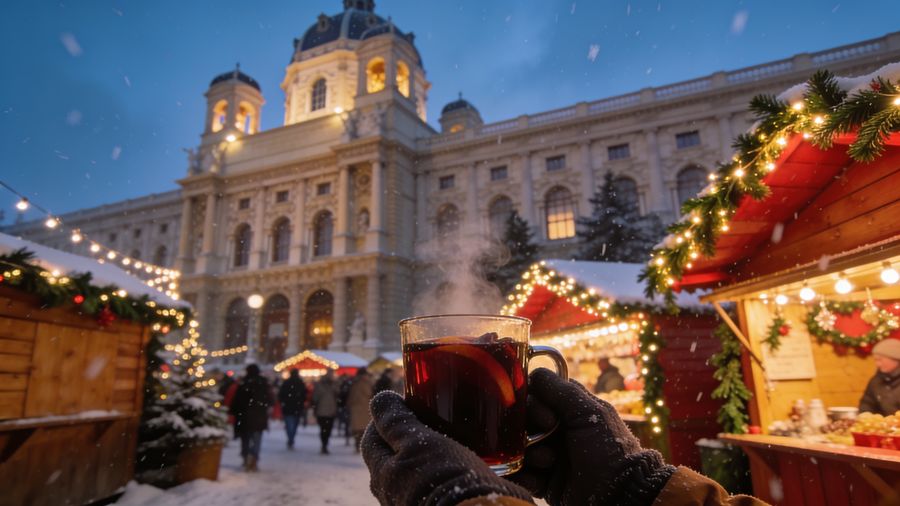
Vienna's Christmas markets feel like strolling through a snow globe, complete with mulled wine, twinkling lights, and artisan vendors. The city has imperial grandeur alongside cosy coffeehouse culture, and many of the most picturesque sights are free to admire from the outside.
The bustling markets have affordable snacks, Glühwein and Punsch, and handmade crafts that make perfect souvenirs. Your drink usually comes in a collectable mug with a deposit, so either keep it as a souvenir or return it for your money back. Schönbrunn Palace gardens are also free to explore, and the walk up to the Gloriette has a great view over the city.
Vienna is a music lover's dream, and the State Opera sells standing-room tickets for a fraction of a seated ticket. Queue on the day or check the opera's website for how to buy them. For cheap eats, grab a sausage from a Würstelstand or head to the Naschmarkt. A 24-hour, 48-hour or 72-hour transport ticket covers the U-Bahn, trams and buses.
Rough daily budget: €60-90 (about A$95-145).
Tallinn, Estonia: Snowy Streets and Medieval Charm
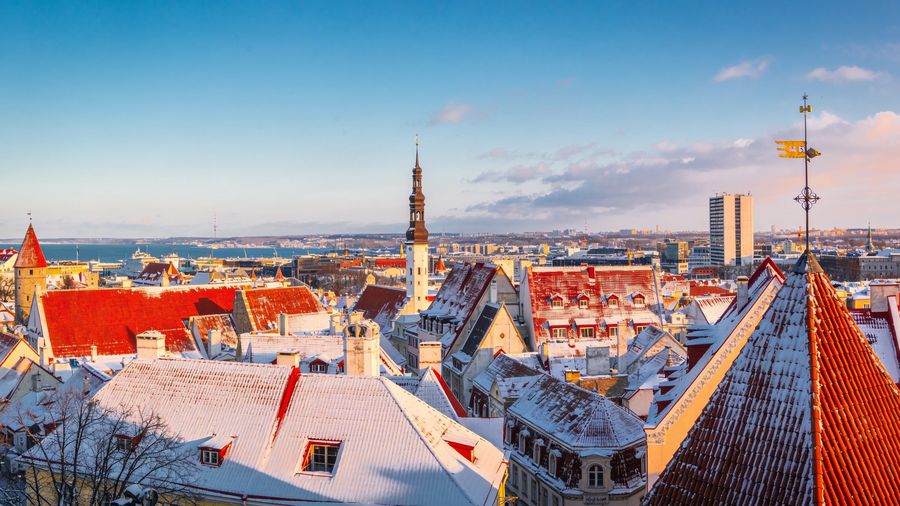
Tallinn's Old Town is already enchanting, but it becomes otherworldly under snow, with medieval streets and gothic architecture. This hidden gem offers preserved medieval charm at very reasonable prices.
The Town Hall Square Christmas market is one of the prettiest in Northern Europe, and wandering the Old Town walls and viewing platforms on Toompea Hill, like Kohtuotsa and Patkuli, costs nothing. Head to Telliskivi Creative City for street art, vintage shops and cheap cafés, or the Balti Jaam Market for local food stalls.
Tallinn is also an easy add-on to a Scandinavian trip. Ferries from Helsinki take around two hours and are often cheaper than staying an extra night in Finland. Book accommodation outside the Old Town walls for better prices, as everything is walkable. The city is perfect for enjoying the enchantment of Northern European culture through winter walks and holiday activities.
Rough daily budget: €45-70 (about A$70-110).
Outdoor Adventures & Nature Escapes
Some of Europe's best experiences don't come with a ticket at all. Hiking trails, lakes, mountain viewpoints and coastal walks are mostly free, and outdoor holidays tend to be easier on the wallet than city breaks once you've sorted accommodation. Mountain huts, campsites and guesthouses are often far cheaper than city hotels, and cooking your own meals is part of the fun. The key is getting there affordably. Regional trains and buses reach most national parks, and booking a few weeks ahead usually gets you the best fares. Bring layers, as mountain weather changes quickly, and download offline maps before you head out.
The Alps: Budget Skiing and Mountain Adventures
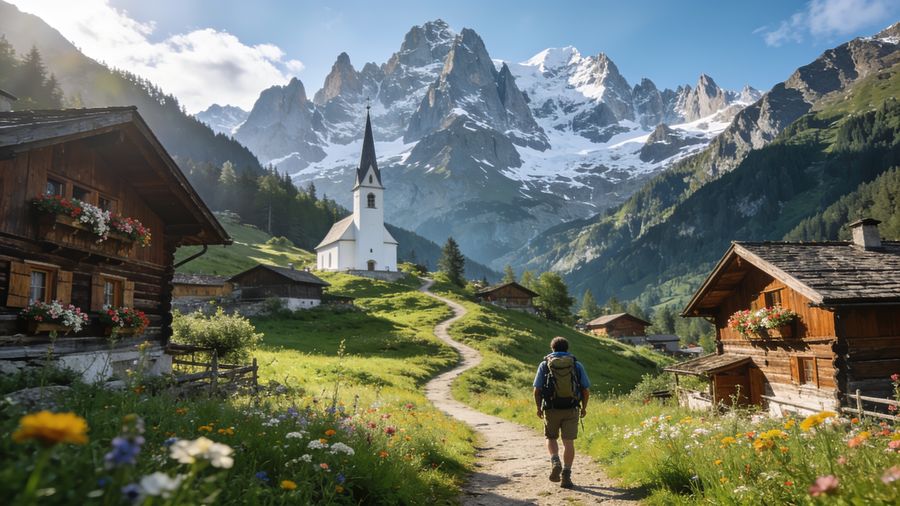
I know the Alps are typically synonymous with Switzerland, which is really expensive. But the Alps are pretty big. You have more options than luxury Swiss chalets. Smaller mountain towns in Austria, France, Italy and Slovenia have more affordable places to stay and lift passes without compromising the authentic alpine experience.
Travel during off-peak seasons can save you some serious cash. January (after the school holidays) and late March are often cheaper for skiing, and early summer and September are great for hiking with fewer crowds. Consider staying in hostels or guesthouses in a valley town and travelling up to the slopes each day, rather than paying for slope-side accommodation.
Summer in the Alps might be even better value than winter. Hiking trails are free, mountain lakes are free to swim in (if you're brave), and many regions offer guest cards with free local buses when you stay overnight. If you do want to visit Switzerland, our guide to visiting Switzerland on a budget has some clever tricks. You'll get to enjoy Europe's most idyllic natural scenery in one trip at more realistic prices.
Lake Bled, Slovenia: Postcard Perfect Underrated Gem

Lake Bled looks like something from a postcard, with its island church and castle perched on surrounding cliffs. This low-key stunner has affordable guesthouses and easy access to Triglav National Park.
There are plenty of activities that won't cost you a penny, too. The 6km walk around the lake is free and takes a couple of hours at a relaxed pace. For the classic postcard view, hike up to the Ojstrica or Mala Osojnica viewpoints, which take about 30 to 45 minutes each way. Swimming in the lake is free in summer.
Some things do cost money. Getting out to the island church by pletna boat or rowing boat, the island church itself, Bled Castle, and nearby Vintgar Gorge all charge fees, so pick your favourites. And you can't leave without trying kremšnita, the famous Bled cream cake. Staying in Ljubljana and day tripping here is often cheaper than staying in Bled itself. Slovenia gives you Alpine beauty with Mediterranean influences, creating unique experiences for budget travellers.
Rough daily budget: €55-80 (about A$90-130).
Best Budget Tips for Visiting Europe
Picking the right destinations is half the battle. The other half is how you travel once you're there. These are the habits that have saved me the most money over the years, and none of them require you to have a miserable time. Before you go, it's also worth reading up on how long Australians can stay in Europe without a visa and checking the latest on ETIAS, the upcoming travel authorisation for visa-free visitors. Sorting paperwork early saves stress (and sometimes money) later on, and it means you won't get any nasty surprises at the airport. Travel insurance is another one to sort before you leave, as it's far cheaper than an unexpected hospital bill.
Timing Is Everything
Travel during the shoulder seasons, like April to May and September to October. Things tend to be cheaper, the weather is usually pleasant, and you avoid those big summer crowds, giving you more authentic interactions with residents.
It's also worth thinking about the days you travel, not just the months. Flights and trains midweek are usually cheaper than on Fridays and Sundays, and hostel prices often jump on weekends in party cities like Berlin, Prague and Budapest. Check for local festivals and public holidays before you book, as they can push prices up in a hurry. And if you're flying from Australia, compare fares into a few different hubs. Sometimes flying into Istanbul, Athens or Frankfurt and catching a budget flight onwards is cheaper than flying direct to Paris or London.
Pack Smart
Packing well means you don't have to scramble for overpriced essentials in airports, hotels, and other tourist traps. European cities are best explored on foot, so comfy, sturdy shoes are a must. Pack an extra layer for unpredictable weather, and bring a reusable water bottle to save money and reduce plastic waste.
The biggest packing tip for budget travellers is to travel carry-on only. Budget airlines in Europe advertise cheap fares and then charge for checked bags, and sometimes even for larger cabin bags. Check the size limits before you book, as they vary between airlines. A light backpack also makes it easier to walk from the station to your hostel instead of paying for a taxi, and to take the bus from the airport rather than a transfer. A padlock for hostel lockers and a quick-dry towel are worth their weight in gold.
Explore Like Residents
Hit markets for cheap, authentic meals and fresh ingredients. Use public transport instead of taxis, and ask residents for restaurant recommendations for delicious food without the tourist upcharge.
A few more habits that make a big difference: eat your main meal at lunchtime, when set menus are cheapest in Spain, Italy, France and much of Central Europe. Stay in hostels with a kitchen so you can cook a few nights a week. Use long-distance buses like FlixBus for cheap intercity trips, and look into rail passes if you're covering a lot of ground. Free walking tours are a great introduction to most cities, as long as you tip what you think the tour was worth. And always pay in local currency when a card machine asks, rather than letting it convert to Aussie dollars.
Stay Connected While You Explore
Having reliable phone access while you're hopping between countries makes everything easier. But SIM cards at airports are usually overpriced, and trying to locate phone shops in every country gets old fast. A Europe travel eSIM solves that. ZenSim's Europe plan covers 40 countries, including the UK, Switzerland and Turkey, and starts at A$9 ($6 USD) for 3GB over 5 days, with 5GB for 30 days at A$21 ($14 USD). You install it before you take off by scanning a QR code, and it connects to a local network when you land.
You can book last-minute accommodation, check transport schedules, and share those dreamy photos from Christmas markets without stressing about roaming bills. It's also handy for the budget stuff, like comparing bus fares on the go, finding the nearest supermarket, or checking which museums have a free day this week. Reliable connectivity means you can be more spontaneous with your travel plans and find hidden gems you might have missed otherwise.
Creating Your Perfect European Adventure
Europe is full of iconic destinations and unforgettable food, and you don't have to spend a fortune to experience them. I've found that the best places to visit in Europe are often off the beaten path. You spend less but experience more.
If you're building an itinerary, a good rule of thumb is to balance one or two expensive cities with a few cheaper ones. Spend a few days in Paris or Barcelona, then head east to Prague, Budapest or Kraków where your money goes much further. Your daily average evens out, and you get to see both sides of Europe.
All you need is curiosity, comfortable footwear, and a plan. Europe rewards you when you embrace spontaneity, seek authentic experiences, and understand that the most unforgettable moments can cost absolutely nothing.
Want to stay connected while travelling? Grab a travel eSIM before you go - check out ZenSim's Europe plans here.
FAQs
In cheaper cities like Krakow, Budapest and Prague, a backpacker can get by on roughly 40 to 70 euros (about A$65-110) a day for a hostel dorm, cheap eats and public transport. In Paris, Barcelona or Rome, plan on 60 to 110 euros (about A$95-175) a day.
Central and Eastern Europe is generally the cheapest, with Poland, Hungary, the Czech Republic and the Balkans offering great value. Portugal and Greece are good value in Southern Europe, especially outside July and August.
Yes, if you stay in hostels, eat from bakeries, markets and takeaway spots, use public transport and plan around free museum days. They will still cost more per day than Eastern Europe, so many budget travellers spend fewer nights there and more time in cheaper cities.
The shoulder seasons of April to May and September to October usually offer the best mix of lower prices and decent weather. Winter is cheapest outside the ski resorts and Christmas market cities, while July and August are the most expensive.
Travel eSIMs you may like:
Written by
Holly Grace Callis
Freelance content writer, a big fan of spicy margs.
Holly is our resident digital nomad making the beaches of Mexico home. You’ll usually find her somewhere in LatAm furiously typing about hidden Europe spots or how to wrangle more data from your e-sim deal. After all, it’s not nomad life if you can’t post it on the ‘gram.
Get amongst it
Join the community
We will reach out when we launch new products, about our sustainability projects, specials, new innovations or maybe even cool sh*t we think is inbox worthy.


