









Travel eSIMs you may like:

With beautiful landscapes, rich culture, and incredible food, it's no wonder that Bali remains one of the most popular tourist destinations in the world. Visiting this Indonesian island is practically a rite of passage for Australian travellers, but people from around the world come here to experience a taste of paradise.
Unfortunately, where there are tourists, there will be scammers. Most people enjoy Bali without any trouble, but sometimes, tourists are targeted by a range of scams that can turn a dream trip into a frustrating nightmare.
Let's take a look at some of the most common scams and learn how you can stay safe in Indonesia.
Common Tourist Scams in Bali
Rigged Taxi Meters and Inflated Fares
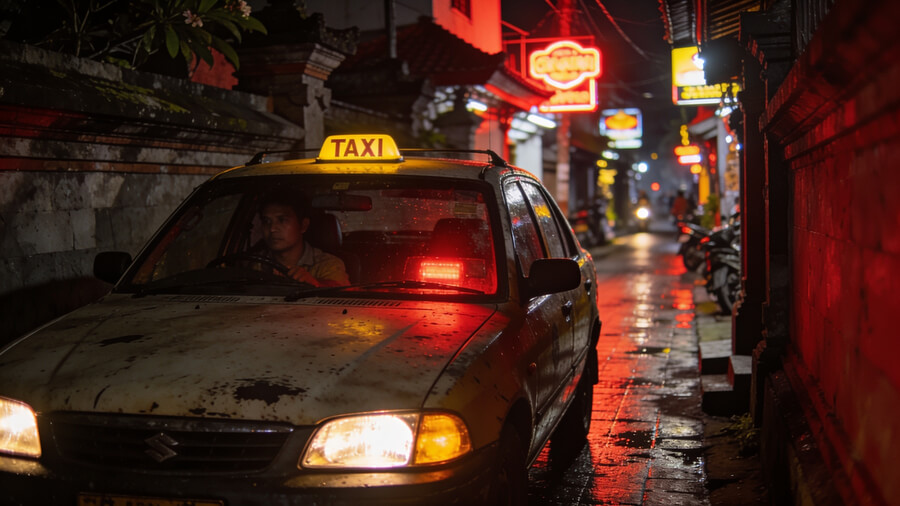
It might be one of the oldest tricks in the book, but that doesn't mean people don't fall for it every day. Taxi scams are some of the most common Bali scams, and they target tourists before they even leave the airport.
Often, a taxi driver will refuse to use the meter in the cab, perhaps claiming that it's broken. Alternatively, more sophisticated transport scams use altered meters that increase fares faster than they should.
Savvy travellers use Blue Bird taxis, but watch out. There are even fake Blue Bird taxis looking to take advantage of the good reputation of this company.
Avoid this scam by:
- Using ride-hailing apps like Grab or Gojek, and reputable taxi companies like Blue Bird
- Agreeing on a price for the journey before you begin if the meter isn't being used. Don't be afraid to haggle.
- Avoid unofficial drivers who wait outside hotspots and tourist traps.
Money Exchange Tricks
The dodgy money changer is another figure you need to avoid to stay safe in Bali and not get scammed. Some will use misleading exchange rates and hidden fees when changing your cash to IDR, while others rely on sleight-of-hand to short change you when counting out your money.
Watch out for:
- Rates that are much higher than bank or airport exchanges
- Small, independent booths with poor reviews.
- Staff who repeatedly count your money before giving it to you.
Card Skimming and Payment Fraud
Using an ATM might seem like a good way to avoid the many changer scam, but it isn't always as safe as you might think. Scammers can install devices on ATMs in Bali that will skim your card information and use it to take your money.
Always:
- Use ATMs attached to banks
- Check machines for signs of tampering
- Monitor your transactions closely in your banking app so that you will quickly know if anyone is using your account
- Use contactless payments where possible
Fake Tour Operators and Excursions
In popular tourist areas, a common rip-off is to sell tourists tours that don't happen, include hidden fees, or are dramatically different from what was advertised.
Before you book :
- Read recent reviews
- Verify operator websites
- Be wary of large upfront cash payments
The "Broken Rental Scooter" Scam
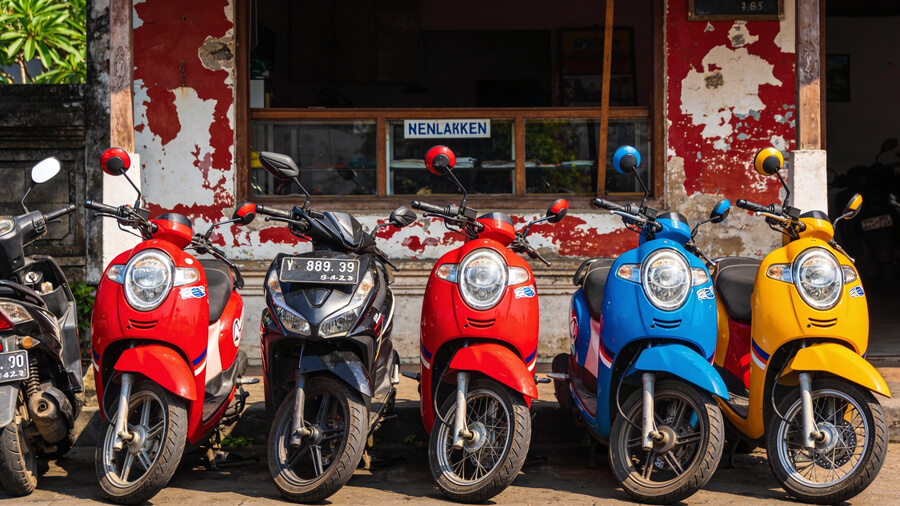
Scooters offer a fun and affordable way to get around the island. But some rental agencies may try to overcharge you for pre-existing damage.
Make sure you:
- Take plenty of photographs of the condition of the scooter before you ride it
- Note any scratches, dents, and mechanical issues.
- Keep copies of your rental agreement.
Temple and Attraction Donation Pressure
Bali isn't just a place to party or lounge on the beach. It's also a great base to explore Indonesian culture. But while you experience Balinese culture at the beautiful temples, use common sense so you don't get ripped off.
Some temples and cultural attractions will let you visit, then hit you up for a mandatory donation.
Legitimate attractions will have clearly posted entrance fees. Any donations above and beyond that are voluntary.
Bali is famous for affordable spas and massage parlours. But these places aren't always what they seem. Often, tourists are lured in by signs advertising extremely low prices, only to be presented with a much larger bill.
Make sure to:
- Confirm the full price before the treatment begins
- Make sure you are clear on what taxes, service charges, and tips are included
- Check online reviews first
- Be wary of aggressive staff approaching tourists on the street.
Arak Scams
Arak, a traditional Indonesian spirit, is part of the culture, and is often served in cocktails and mixed drinks. Although widely consumed, there are risks around illegally produced counterfeit alcohol.
Some bars and beach vendors have been found to use drinks containing methanol, a cheaper substitute for alcohol that can cause nausea, dizziness, blurred vision, and difficulty breathing. Beware of extremely cheap cocktails or alcohol from unofficial sources. Stay away from homemade or unlabelled alcohol, since you never know what is in it.
Digital Safety While Travelling in Bali
Beware of Fake Wi-Fi Networks
Staying connected while travelling is a great way to enhance your trip, make sure you don't miss out, and improve your safety by keeping in touch with people back home. Public Wi-Fi networks make this easier, but they also come with security risks. Criminals can create fake Wi-Fi networks that will steal your passwords and other information when you log in.
Avoid falling for this scam by using a ZenSim eSIM so that you always have your own secure connection wherever you go.
What To Do If You Become a Victim
Report the Incident
- Contact local authorities.
- Notify your bank if payment cards are involved.
- Report fraudulent businesses to relevant travel platforms.
Document Everything
Keep receipts, photographs, screenshots, and any communication related to the incident. The more information you have, the more your story will be believed.
Warn Other Travellers
Leaving honest reviews can help future visitors avoid the same problems. Tips to avoid certain areas or vendors can help other people stay safe.
Being able to respond quickly in an emergency keeps you safe. Using a ZenSim eSIM that covers you in Bali and across Asia means you can stay connected to the information you need if the worst happens.
Frequently Asked Questions
Is Bali safe for tourists?
Yes. Most visitors experience no major issues. However, common travel scams exist, particularly in busy tourist areas. Watch out for unmetered taxis, crooked money exchange kiosks, scooter rental scams, and mandatory temple donations.
Are Bali taxis safe?
Generally yes, especially when using reputable companies or ride-hailing apps like Gojek or Grab.
Should I exchange money at the airport?
Airport rates may not always be the best, but they are often safer than unverified exchange kiosks. Always count the money you're given. It's not rude, it's just smart.
Is it safe to rent a scooter in Bali?
Scooter rentals are common, but tourists should inspect vehicles carefully and ensure they have appropriate insurance and licenses. Some companies may try to charge for damage you didn't do, especially when renting near common tourist traps.
What is the most common scam in Bali?
Taxi overcharging, currency exchange manipulation, and temple donations are among the most frequently reported issues. Pickpocketing is rare in areas like Ubud, but more common in parts of Kuta.
Conclusion: A Little Awareness Goes a Long Way
Most Bali vacations are memorable for all the right reasons. Knowing the most popular scams on the island makes it easy to avoid an incident that could otherwise ruin your trip. Always be aware of your surroundings, and remember, if a deal seems too good to be true, it probably is.
Travel eSIMs you may like:
Written by
Ryan Frawley
Travel writer and serial border crosser.
I've visited more than 30 countries so far, which sounds impressive until you see how long my travel wish list still is. When I'm not chasing cheap flights, figuring out eSIMs, or getting lost in places I can't properly pronounce, I'm usually writing about travel, remote work, and how to make both a little easier.
If you've ever searched "Can I work remotely from there?" at 2 a.m., we're probably on the same wavelength.

Get amongst it
Join the community
We will reach out when we launch new products, about our sustainability projects, specials, new innovations or maybe even cool sh*t we think is inbox worthy.


